
Last updated August 27, 2026
Free in-home measure and quote - PGT, CGI and CWS impact lines compared on your actual openings, style by style
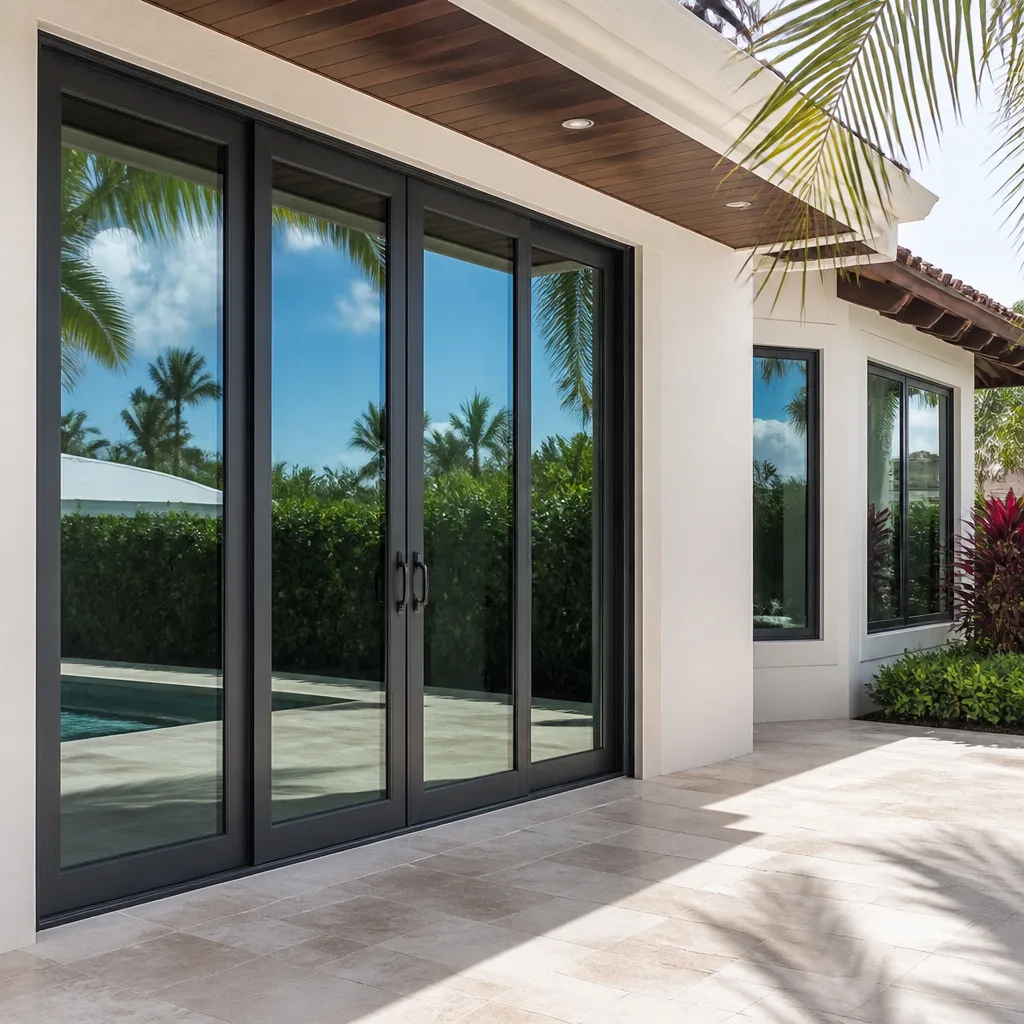
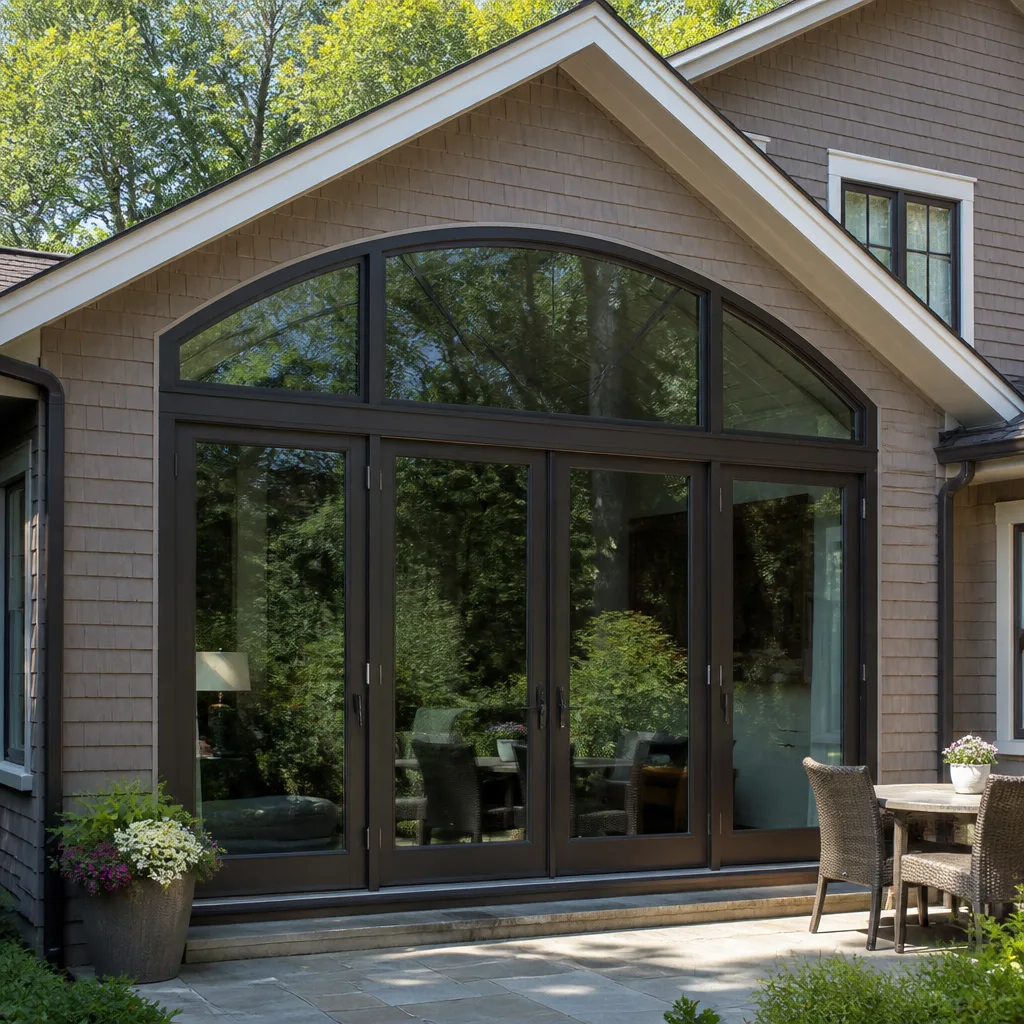
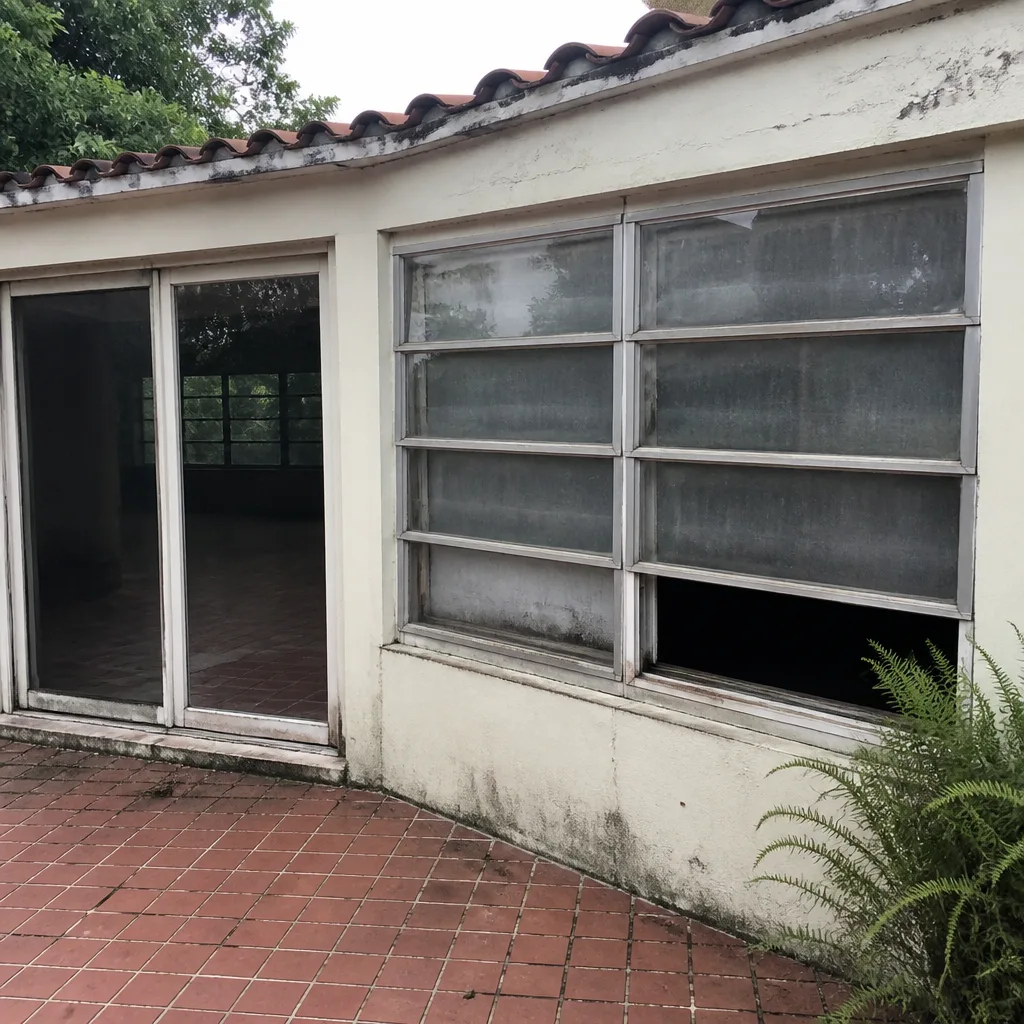 Before
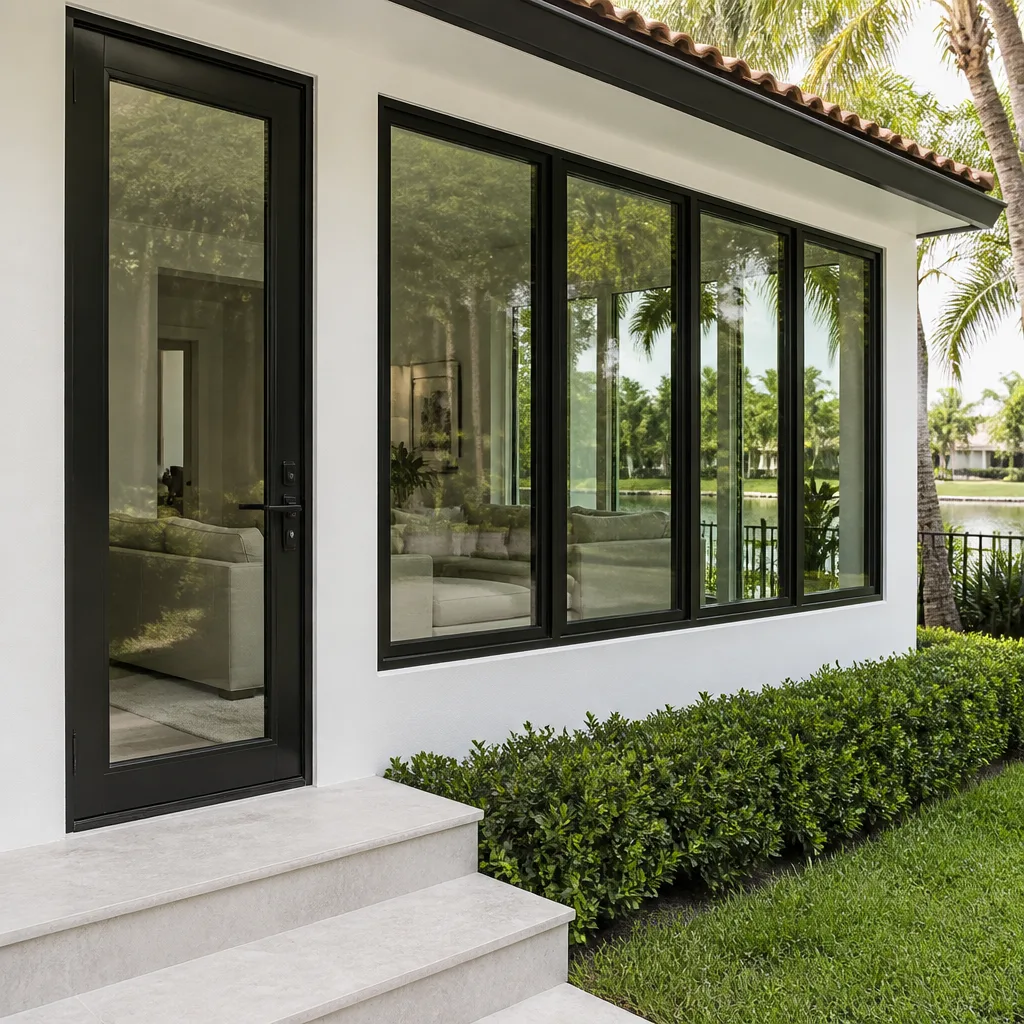 After
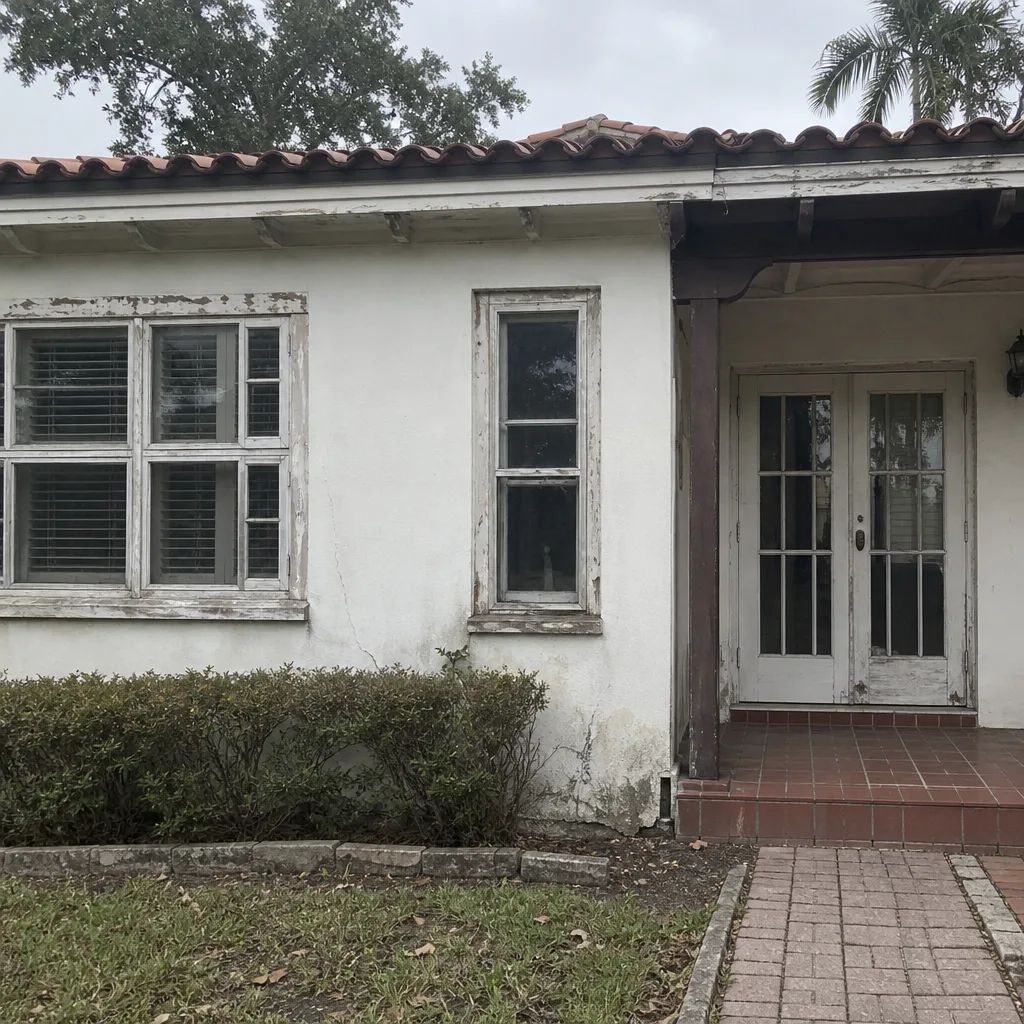 Before
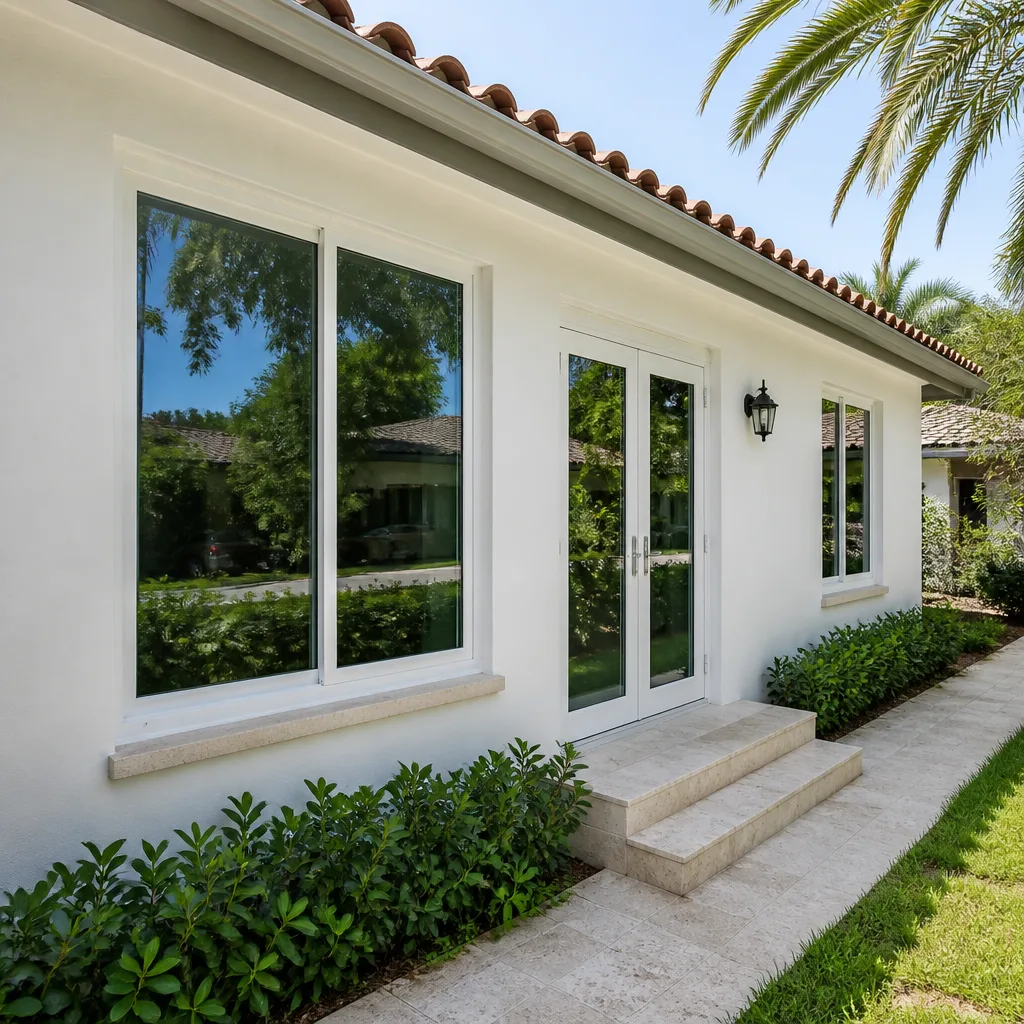 After
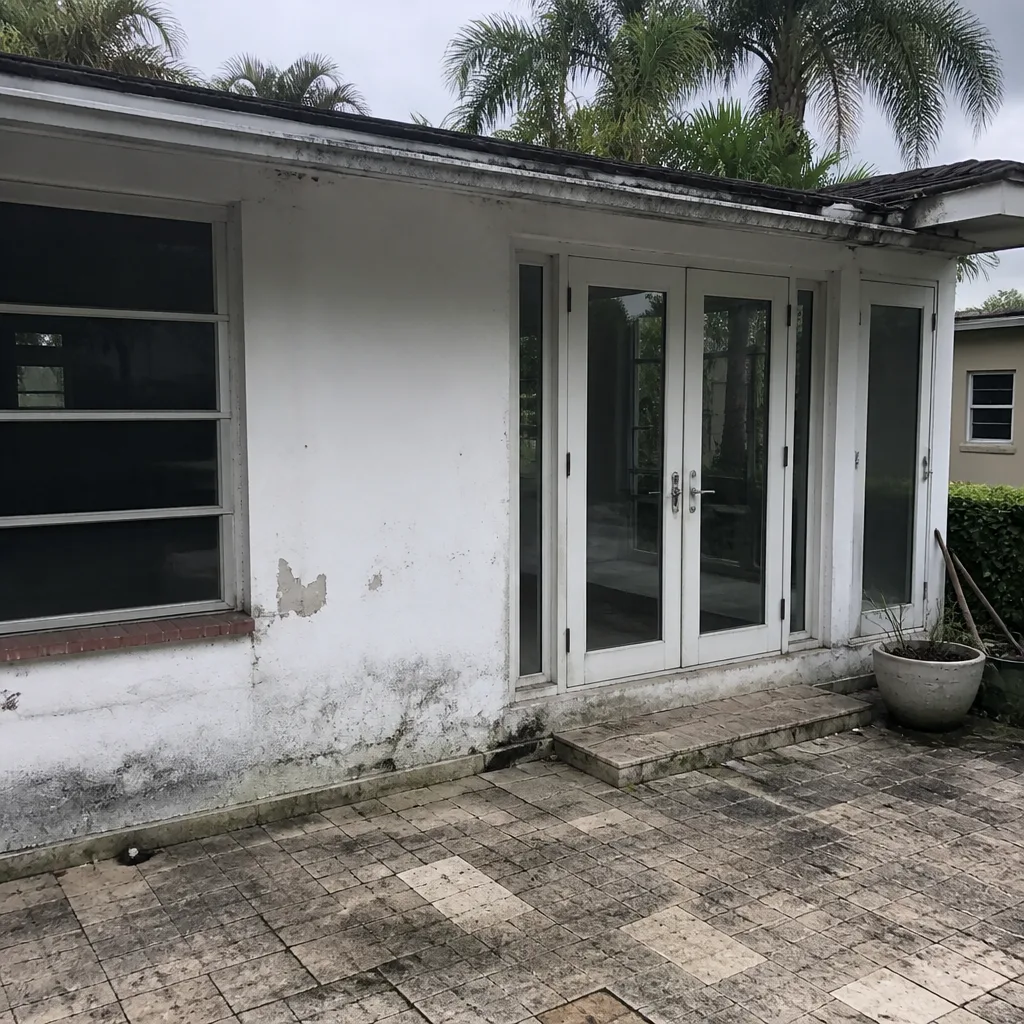 Before
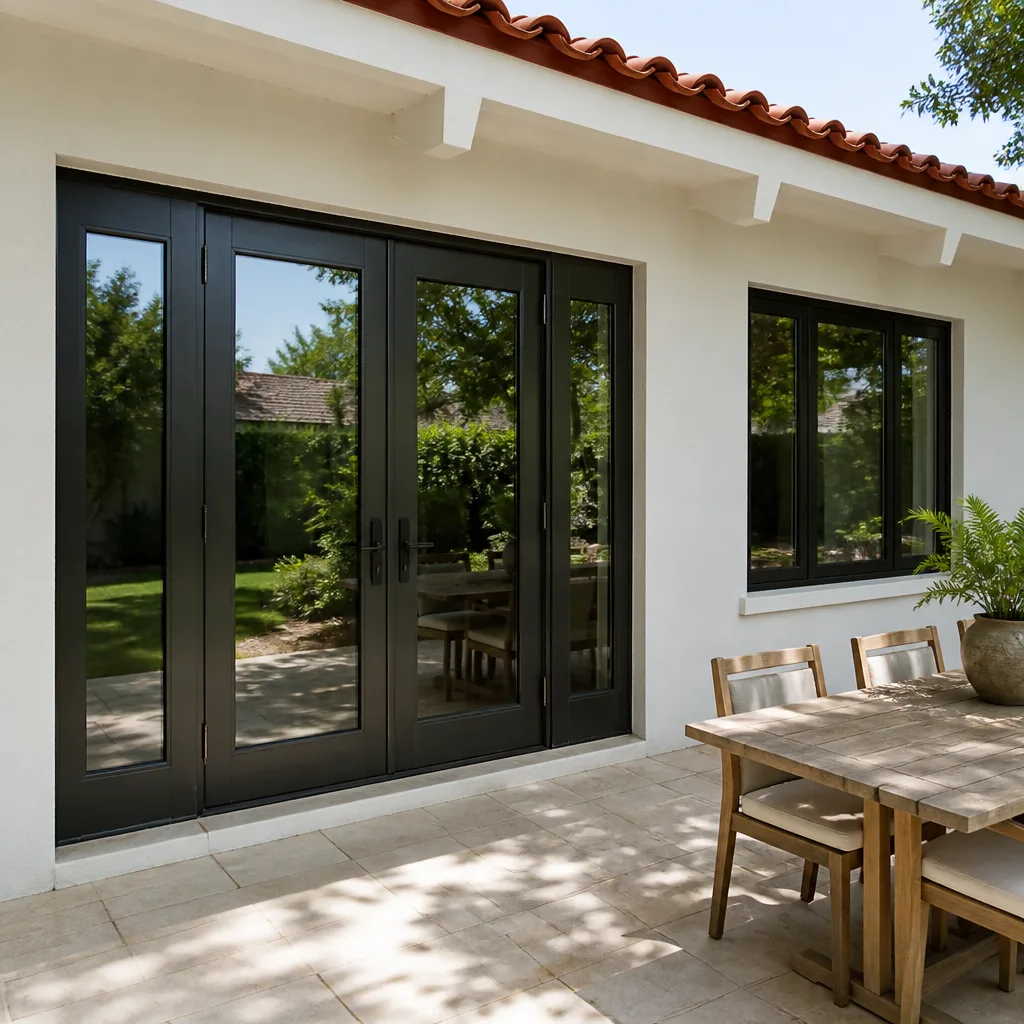 After
Seasonal Windows & Doors Care for Miami Shores: Year-Round Homeowner’s Guide
Most seasonal maintenance guides written for Florida homeowners are actually repurposed northern-climate templates that warn about winter drafts and frozen seals, conditions that essentially never happen in Miami Shores. What actually happens here is a May mold bloom that grows inside aluminum tracks during the dry-to-wet transition, and sand abrasion from a near-miss storm that looks cosmetic but has quietly compromised the seal behind the frame. This guide walks you through the real 12-month calendar for windows and doors in Miami Shores, what to inspect each month, what to fix immediately, and what can wait, with warning signs every Miami Shores homeowner should know. You’ll learn the pre-hurricane prep sequence, the wet-season weekly protocol, and the dry-season tasks that prevent expensive replacements down the line.
Quick Answer
Windows and doors in Miami Shores need two distinct seasonal protocols: a pre-hurricane inspection window from April through May focused on seals, hardware, and impact-rated components, and a wet-season routine from June through October centered on track drainage, condensation management, and water-intrusion detection. The dry season from November through March is the best time to schedule non-urgent replacements, since installers have better availability, materials are not competing with storm demand, and you can plan around Florida permits, codes and inspections without weather pressure.
Table of Contents
- The Pre-Hurricane Season Prep Window: April and May
- Wet-Season Weekly Protocol: June Through October
- Post-Storm Inspection: October and November
- Dry-Season Tasks: November Through March
- How Miami Shores’ Tree Canopy Accelerates Weatherstripping Wear
- Impact Windows vs. Standard Windows: Seasonal Care Differences
- When the Best Repair Is a Replacement: Timing It Right in Miami Shores
- Common Mistakes to Avoid
- When to Call a Professional
- Frequently Asked Questions
The Pre-Hurricane Season Prep Window: April and May
In Miami Shores, the six weeks between mid-April and June 1 are the most important maintenance window of the year. Hurricane season officially starts June 1, and once a storm enters the Gulf or Atlantic, parts availability for impact-rated components tightens within days. Waiting until a named storm is on the radar means competing with every other homeowner in Dade County for the same hardware. We’ve watched lead times for PGT and CGI window components stretch from days to weeks in a single news cycle. If you need a part replaced, do it before June 1, not after the cone appears.
Here’s the exact pre-season protocol we run on our own trucks before we ever run it on a customer’s house:
- Inspect every window and door seal for dry rot, cracking, or separation. Run your finger along the weatherstripping. If it flakes or feels brittle, it’s already failing. Miami’s salt air and UV exposure degrade rubber seals in as little as three to four years.
- Test the operation of every lock, latch, and roller. Hardware that sticks or grinds in May will seize entirely in August humidity. A door that drags on its track is telling you the rollers need replacement before the wet season, not after.
- Clean and lubricate all tracks and hinges. Use a dry silicone spray, not WD-40. WD-40 attracts dust and becomes gummy in South Florida humidity. Silicone repels moisture and keeps tracks moving freely.
- Check the drainage weep holes on the bottom track of sliding doors and windows. These are the small slits that let water escape. In Miami Shores, they clog with pollen, dirt from the dry season, and tiny pieces of leaf debris. Clogged weep holes are a leading cause of wet-season water intrusion behind frames.
- Examine the caulking around the exterior perimeter of every frame. Look for gaps, shrinkage, or mold staining. The caulk is your first line of defense against wind-driven rain, which is exactly what hurricane conditions produce.
- If you have hurricane panels or shutters, test-fit them now. Many Miami Shores homeowners discover missing hardware or stripped threads in July when they need them most. Test-fitting takes an afternoon. Replacing missing anchors after a storm warning takes days, if parts are available at all.
If you’re not sure whether a component needs replacement, get a trained set of eyes on it. Impact-rated windows from CWS or ES Windows are engineered to protect your home, but only if the surrounding seals and hardware are intact. A torn gasket or corroded track undermines the entire assembly. This is also the window when we recommend scheduling any impact window installation in Miami Shores, because once storm season starts, both the weather and the supply chain work against you. The same goes for window replacement projects. If a replacement was on your mind for sometime this year, do it between April and early May, not during hurricane season when you may find yourself on a waitlist. For detailed pricing context, see our Windows & Doors Cost Breakdown: The Miami Shores Homeowner’s Reference for 2026.
Wet-Season Weekly Protocol: June Through October
Miami Shores receives the overwhelming majority of its annual rainfall between June and October. That’s about 45 to 50 inches of rain concentrated into five months, often arriving as brief but intense afternoon downpours. Those daily soak-and-dry cycles do more damage to window and door frames than a single hurricane, because the water sits in crevices, evaporates, leaves behind mineral deposits, and then the next day’s rain adds more. A weekly protocol, even a quick one, catches problems before they move behind the frame where repair costs triple.
Here’s the weekly checklist we recommend to every homeowner in Miami Shores:
- Check for standing water on window sills and door thresholds. Standing water more than an hour after rain means the weep holes are clogged or the frame is pitched incorrectly. Both are fixable now, expensive later.
- Look for condensation between double-pane glass. Intermittent exterior condensation is normal in Miami humidity. Interior condensation or fog between the panes means the gas seal has failed and the insulated glass unit needs replacement.
- Run a dry cloth along the bottom track of every sliding door. If the cloth comes away damp, especially on a dry day, water is entering somewhere it should not be.
- Wipe down aluminum frames with a damp cloth once a week. Salt air from Biscayne Bay deposits a fine, nearly invisible film on aluminum. Left unattended for months, that film corrodes and pits the finish. A one-minute weekly wipe prevents a multi-hundred-dollar refinishing job.
- Check for mold growth on interior sills and along the bottom edge of window frames. The dry-to-wet transition in May and June creates a mold bloom inside tracks. You’ll see small black or green specks. Clean them with a mild bleach solution immediately. Mold that establishes a foothold in the track will spread behind the frame, and removal behind a frame is a completely different project.
- Inspect the exterior caulking for softness or bubbling. Prolonged moisture exposure causes caulk to break down from the inside out. Press on it. If it feels spongy or moves, the seal is compromised.
- Operate every window and door that you don’t use regularly. Windows that stay closed for months develop track corrosion and roller flat spots. Open and close them once a week to keep hardware exercised and identify problems early.
Window installation in Miami Shores homes from the last 15 years frequently includes impact-rated glass, which requires no special weekly care beyond what we’ve described. The care focus is on frames, tracks, and seals. The glass itself is engineered to take the weather. The hardware around it is what fails first. If you spot any of these issues and can’t identify the source, call someone who can. Early detection is the single biggest money-saving skill a Miami Shores homeowner can develop.
Post-Storm Inspection: October and November
After a hurricane or tropical storm passes, even a near-miss that only delivered outer bands, there are two distinct types of window and door damage: cosmetic and structural. Cosmetic damage is sand abrasion on glass and frame surfaces, which looks alarming but rarely compromises the assembly’s performance. Structural damage is when the seal between the frame and the wall, or between the glass and the frame, has been compromised by pressure cycling or flying debris. The difference is invisible to the untrained eye, and that’s a problem, because structural seal compromise in an impact window assembly quietly admits moisture for months before visible symptoms appear.
Here’s how to tell the difference:
- Sand abrasion looks like frosted glass or a scuffed finish on painted aluminum. Run your fingertip across it. If it’s a surface texture change only, the seal behind it is almost certainly fine. Sandblasting is ugly, but it’s not urgent. You can address it during the dry season at your convenience.
- Seal compromise shows up as a subtle shift. A window that now closes slightly harder than it did before the storm. A door that has a new draft or a soft spot in the frame. Water staining at the interior corner of a frame within weeks of a storm. In PGT and CGI windows, the frame is engineered to flex under pressure without losing seal integrity, but no product on the market survives every storm unscathed. Inspect behind the interior trim with a moisture meter if you suspect intrusion.
- Hardware damage is the most common post-storm issue we see. Locking mechanisms that seized because the storm drove fine particulate into the mechanism. Rollers that chattered and flat-spotted when the door flexed under wind load. These are replacement items, not repairs, and they’re available quickly in the dry season.
After any direct hit or near-miss in Miami Shores, schedule a proper assessment. Many issues are covered by the manufacturer’s warranty if addressed early. The dry season from November onward is ideal for post-storm remediation work. Scheduling the repair during these months means stable weather, available crews, and a finished job before the next June rolls around.
Dry-Season Tasks: November Through March
The Miami Shores dry season, running from late October or early November through March, is the most underutilized maintenance period for windows and doors. The weather is stable, the humidity is lower, and the risk of work being interrupted by a storm is minimal. This is the season to schedule everything non-urgent, which in practical terms means anything that is not actively leaking or failing.
Here’s what to prioritize during the dry months:
- Exterior hardware cleaning and re-lubrication. Chloride from salt air builds up on exterior lock cylinders, hinges, and handles. A thorough cleaning with a non-caustic cleanser followed by graphite lubricant keeps hardware functioning like new and prevents the gradual corrosion that leads to seizing and breakage.
- Frame UV inspection. Five straight months of intense Miami sun will degrade exterior frame finishes. Look for chalking, a white powdery residue on painted aluminum. If caught early, a re-coat extends the frame’s life. If ignored, the aluminum pits and replacement becomes the only option.
- Caulk and seal replacement. Dry season weather is the only time caulk cures correctly in Miami. The material needs low humidity and warm, dry conditions to bond properly. Re-caulking during the wet season creates a weak seal that fails within months.
- Non-urgent window replacement and installation projects. Because the weather is stable and homeowners typically wait until problems become urgent in the spring, scheduling window replacement in Miami Shores during these months gives you the best scheduling flexibility and often the most competitive labor pricing of the year.
- Interior track deep cleaning. The dry season is the right time to fully disassemble track covers, vacuum out embedded debris, and inspect the rollers and adjustment screws. Most homeowners do this never, and the tracks quietly fill with sand, pet hair, and dead insects until the door starts to grind.
Think of the dry season as the “maintenance season” and the wet season as the “monitoring season.” The more you complete between November and March, the less you’ll have to react to between June and October. For homeowners planning a window installation or replacement project, moving it into the dry-season window means the crew is working in predictable weather and the materials are being installed under ideal conditions for seal and caulk performance. That contributes directly to the long-term durability of the installation.
How Miami Shores’ Tree Canopy Accelerates Weatherstripping Wear
Miami Shores has one of the densest tree canopies in Dade County. Streets are lined with mature live oaks, mahogany, and gumbo limbo, and that canopy is a defining feature of the community. But it also creates a specific debris-and-moisture cycle that affects windows and doors differently than in more exposed Dade County neighborhoods. Trees drop leaves, seed pods, and bark continuously, not just in one seasonal burst. Those particles collect in window tracks and door thresholds, where they mix with rain water to create a damp, organic slurry that accelerates weatherstripping wear and promotes mold growth inside tracks.
The canopy also creates shade patterns that mean sections of your home’s windows and doors dry more slowly after rain. North-facing frames under heavy canopy may not see direct sun for days after a storm. That persistent moisture is what rots weatherstripping from the inside out, even when the rubber looks fine from the outside. In our experience servicing Miami Shores since 2011, homes on heavily canopied streets need weatherstripping replaced roughly twice as often as homes on open, sunny lots.
What to do about it:
- Clear tracks and thresholds weekly during the wet season. Two minutes with a shop vac prevents the slurry from forming in the first place.
- Inspect weatherstripping every three months on canopied lots. Press on it. If it doesn’t spring back, replace it. Replacement weatherstripping is inexpensive. Attending to this wears it out slower.
- Keep weep holes clean with a pipe cleaner or thin wire. Canopy debris is the number one cause of clogged weep holes in Miami Shores. It works its way down into the track and blocks drainage within a single season if left alone.
- Check for termite activity on wood trim. The moisture-retaining environment under dense canopy is attractive to termites. Any soft wood around a frame deserves immediate attention from an inspector.
- Recurring seal failure. If you have replaced the caulk and weatherstripping more than twice in the last three years and moisture returns, the frame itself may be twisted or pulling away from the wall, and no amount of re-sealing will fix it.
- Visible frame corrosion or rot. Aluminum frames that have pitted deeply, or wood frames that have softened, are structural failures in progress. Repairs are rarely long-lasting once the frame material degrades.
- Persistent interior condensation between panes. This means the insulated glass seal has failed twice or a replacement unit was not installed properly. After a second failure, replacement of the entire unit, including the frame, is typically more cost-effective over a 10-year horizon.
- Operation failure. A door or window that refuses to open, close, or lock reliably after repairs may be too far gone. In a hurricane, function is safety. A window that cannot be securely closed before a storm compromises the entire envelope, and no repair is worth that risk.
- Lubricating tracks with WD-40. WD-40 is a water displacer, not a lubricant. In Miami’s humidity, it attracts dust and forms a gummy residue that makes tracks worse within weeks. Use a dry silicone spray designed for tracks and hinges.
- Waiting until a storm warning to buy parts. By the time a named storm enters the Gulf, every homeowner in Miami Shores is trying to source the same components. Lead times balloon from days to weeks. Winslow Windows & Doors recommends buying and installing any needed parts before June 1.
- Ignoring clogged weep holes. Those small slots at the bottom of sliding door and window tracks are the only escape route for wind-driven rain. Clogging them with tree-canopy debris causes water to pool and migrate behind the frame, which is when hidden rot and mold begin.
- Re-caulking during the wet season. Caulk needs dry weather to cure. Applying it during Miami’s rainy months creates a weak bond that fails within months, meaning you’ll be redoing the work and paying twice.
- Assuming impact windows need no maintenance at all. Impact glass is low-maintenance, not zero-maintenance. The frames, tracks, hardware, and seals need the same seasonal attention as any other window, and the stakes are higher if they fail during a storm.
- Treating sand abrasion as a structural problem. Post-storm frosted glass looks dramatic, but unless the seal behind the frame is compromised, it’s a cosmetic issue that can be addressed at your convenience during the dry season. Prioritize structural assessments first, not cosmetics.
- Neglecting the windows you never open. In Miami Shores, windows left closed for months at a time accumulate corrosion and roller flat spots. Operate every window and door weekly in the wet season, even briefly, to keep hardware functional.
Impact Windows vs. Standard Windows: Seasonal Care Differences
Miami Shores homes are increasingly protected by impact-rated windows, and for good reason. The building code in Miami-Dade County is among the strictest in the country when it comes to wind-borne debris protection. Impact windows from manufacturers like CGI, CWS, and ES Windows are engineered for a specific set of conditions that standard windows never see. But the seasonal care protocols differ, and it’s worth being precise about what those differences are.
Impact windows feature laminated glass that is bonded to a heavy-gauge aluminum or vinyl frame. The laminated glass is designed to hold together even when struck, so the seasonal concerns are primarily about the frame, the seal, and the hardware. Track cleaning is more critical on impact sliding glass doors because the added weight of laminated glass puts more strain on rollers that operate in debris-heavy environments. Lubrication matters more. The occasional corrosion check on frame fasteners matters more. But the glass itself requires nothing beyond routine cleaning, and impact windows from CWS and ES Windows are specifically tested to resist the sand abrasion of coastal environments.
Standard windows on Miami Shores homes present a different seasonal care profile. Single-pane windows, especially older annealed glass, are structurally fragile under wind load. The frame and caulking are often old and brittle, and weatherstripping has typically never been replaced since installation. These windows deserve a more aggressive inspection schedule: twice-yearly caulk inspection, tighter attention to seal integrity, and a realistic conversation about replacement before the next major storm cycle. While care procedures like track cleaning and lubrication are the same, standard windows simply have less reserve capacity for neglect.
If you’re weighing whether to upgrade to impact windows, it’s a conversation worth having during the dry season. Impact windows in Miami Shores are a meaningful investment that directly affects insurance premiums and family safety during a storm, and an installation scheduled outside of hurricane season is a manageable, predictable project.
When a Repair Is Not Enough: Knowing When to Replace
Some window and door issues recur regardless of the care you give them, because the component itself has passed its useful life. Repairing a 20-year-old window in Miami Shores is often a temporary patch that ends up costing more than replacement within two years. Here’s how to know the difference:
Miami Shores homes run the full spectrum of ages, from historic 1920s bungalows to new construction. If your home is on the older side and still has original windows, know that your seasonal maintenance will only get more demanding over time. Window installation in Miami Shores is a service worth having a conversation about before the next round of storm warnings, not during it. The dry season is the right time to make that call, because replacement work is predictable, and you’ll have the new units installed and proven before the first named storm of the season.
Common Mistakes to Avoid
When to Call a Professional
Some seasonal maintenance tasks are straightforward for a homeowner: wiping tracks, cleaning weep holes, testing hardware. But certain situations deserve trained eyes and tools. Call a professional if you see interior water staining around a frame, which means water is already behind the wall and the extent of the problem is unknown. Call if a window or door refuses to close or lock securely before a storm, because function is safety. Call if you find soft or crumbling wood around any frame, because termites or rot may be involved and both require professional assessment. Call if you’re uncertain whether that post-storm abrasion is cosmetic or structural. For more guides & resources, explore our blog, or call Winslow Windows & Doors-offering free estimates in Miami Shores. Call (727) 483-7883 and we’ll take a look, give you a straight answer, and hand you a written line-item quote before any work begins. Ed’s name is on the door and on every job we do.
Frequently Asked Questions
During the wet season from June through October, clean window and sliding door tracks weekly. Miami Shores’ dense tree canopy deposits leaves, seed pods, and bark particles that mix with rain water inside tracks, forming debris that clogs drainage and accelerates weatherstripping wear. During the dry season, monthly cleaning is sufficient. A two-minute shop vac pass is all it takes to prevent buildup. If you’re not sure whether your tracks need more attention, call (727) 483-7883 and we’ll assess during a free estimate.
The mold bloom in Miami Shores tracks happens every May because the dry season’s accumulated pollen and dust mixes with the first heavy rains of the wet season, creating a damp organic environment inside the track. That’s the ideal condition for mold spores to germinate. Clean the tracks with a mild bleach solution as soon as you see the first specks, and keep the weep holes clear so water drains freely. If mold has spread behind the frame, professional extraction is required.
Yes, standard ammonia-based or vinegar-based glass cleaners are safe for impact-rated laminated glass from manufacturers like CGI, CWS, and ES Windows. Avoid abrasive cleaners that could scratch the surface, and avoid petroleum-based solvents near the edges of the frame, where they can degrade the sealant over time. A simple soap-and-water solution with a soft cloth is sufficient for routine cleaning, and it’s gentler on the surrounding frame finish.
Professional re-caulking of a typical Miami Shores home with 10 to 15 windows typically runs from $300 to $800 depending on the linear footage, the condition of the existing caulk, and whether old caulk must be removed or simply overlaid. This is a dry-season job in Miami because caulk cures properly only in low humidity. For an exact price, call (727) 483-7883. Estimates are free.
The best window to replace windows in Miami Shores is November through March, during the dry season. The weather is stable, which means the installation will not be interrupted by thunderstorms, and the caulk and sealant will cure properly. Scheduling outside hurricane season also means you avoid the rush for materials that follows the first named storm. That makes the prices more predictable and the crew schedule more flexible.
Impact windows require the same frame, track, and hardware maintenance as standard windows. The laminated glass itself is more durable and requires no special care, but the added weight of impact-rated glass puts more strain on rollers and hinges, so lubrication and adjustment are more important. Impact windows are lower-maintenance overall, but skipping the basics still leads to track corrosion and seal failure. Care for them like any high-performance component, and they’ll perform when they’re needed most.
The Bottom Line
Windows and doors in Miami Shores live in two distinct seasonal environments: a punishing five-month wet season that floods tracks and grows mold, and a mild dry season that is the right time for every non-urgent repair and replacement. The pre-hurricane April-to-May window is for inspection, part replacement, and preparation, and the post-storm October-to-November window is for structural assessment and remediation. Miami Shores’ tree canopy makes care more demanding than in more open Dade County neighborhoods, but the monthly workload is measured in hours, not days. Do the small things consistently, and the big things rarely happen.
Written by Ed Winslow, Owner at Winslow Windows & Doors, serving Miami Shores since 2011.
Six Reasons Homeowners Choose Winslow Windows & Doors
Impact systems engineered to design pressures up to +/-100, matched to your wind zone - your openings hold when the storm arrives.
Low-E insulated impact glass from our manufacturer lines commonly cuts monthly cooling bills 20-30%.
Laminated impact glass shuts out up to 40% of outside noise - traffic, neighbors, weather.
Monitoring services run $30-90 a month. Laminated impact glass resists forced entry around the clock, with no subscription.
Florida homeowners average around 25% savings on the windstorm portion of their policy after protecting every opening - some homes qualify for more.
A full impact package upgrades curb appeal, buyer confidence and appraised value in one project.