
Last updated August 27, 2026
Free in-home measure and quote - PGT, CGI and CWS impact lines compared on your actual openings, style by style
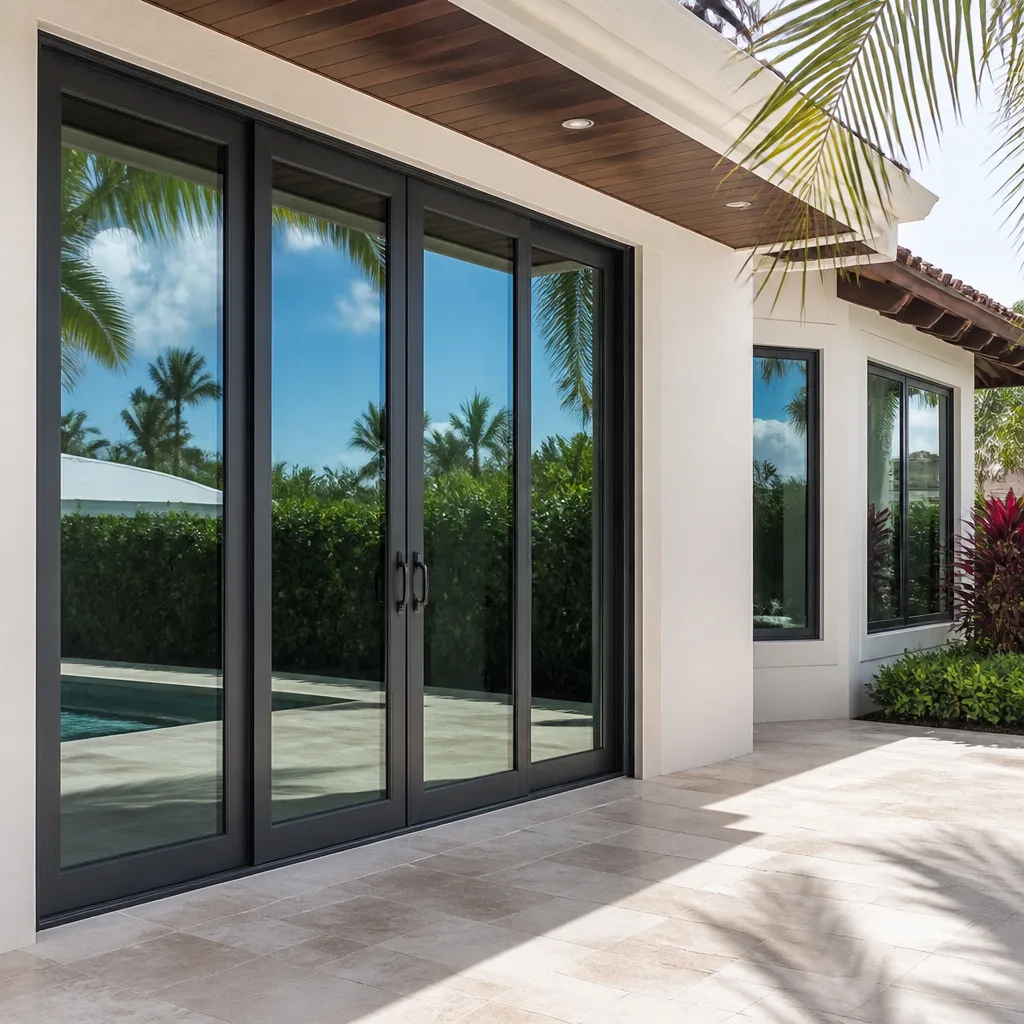
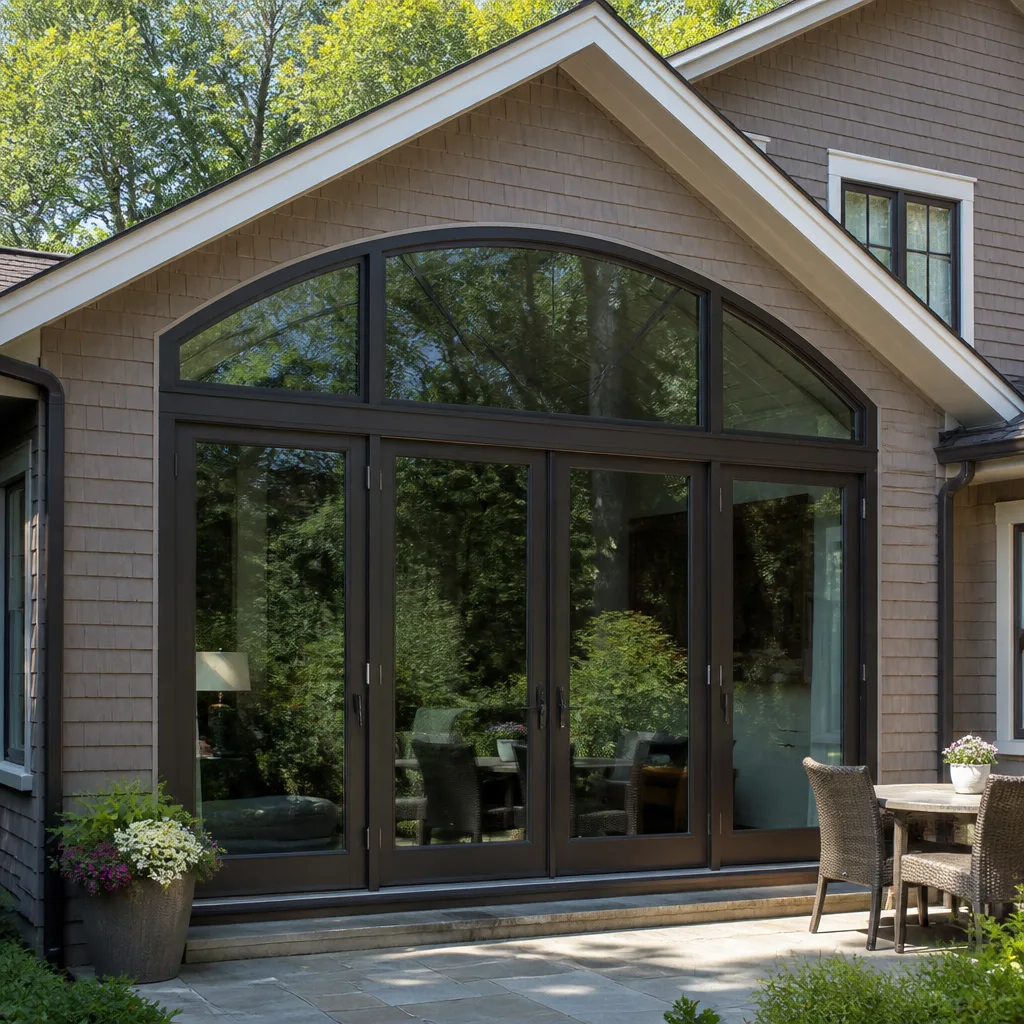
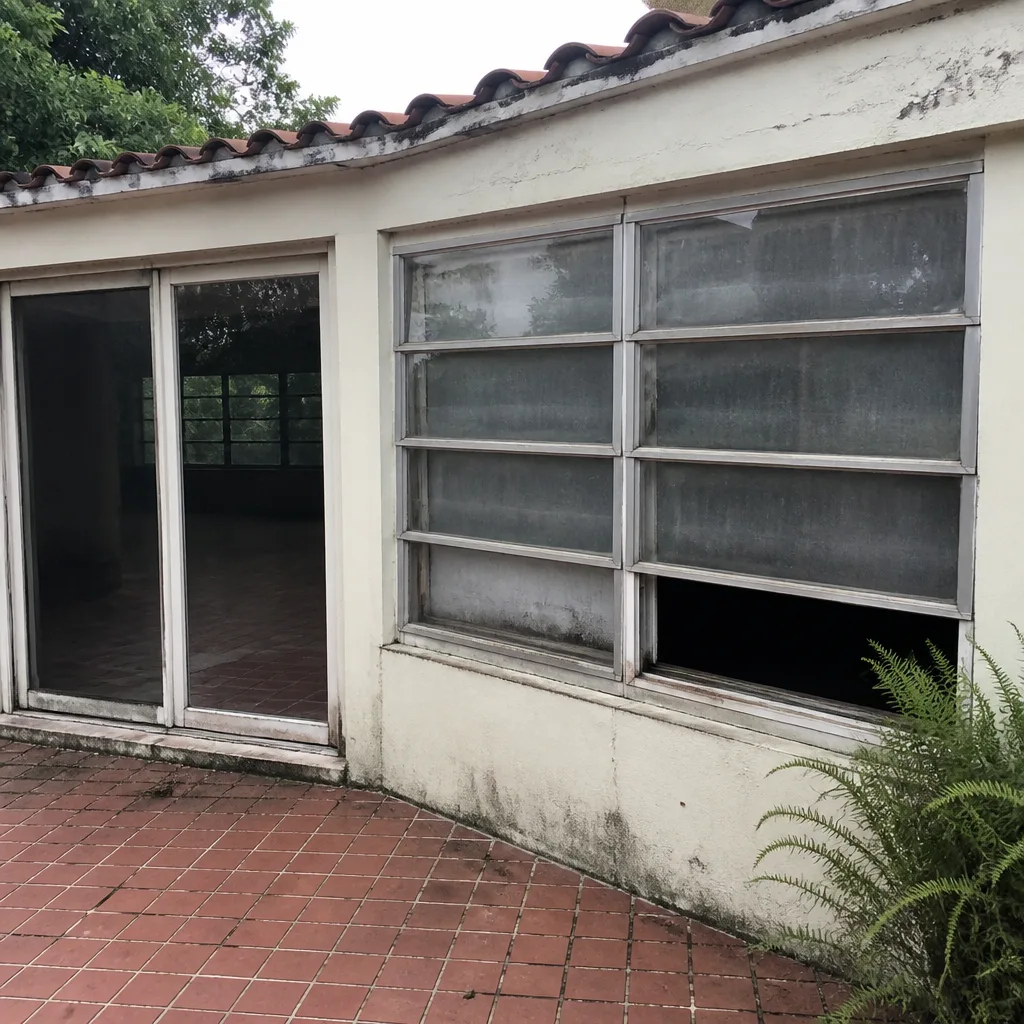 Before
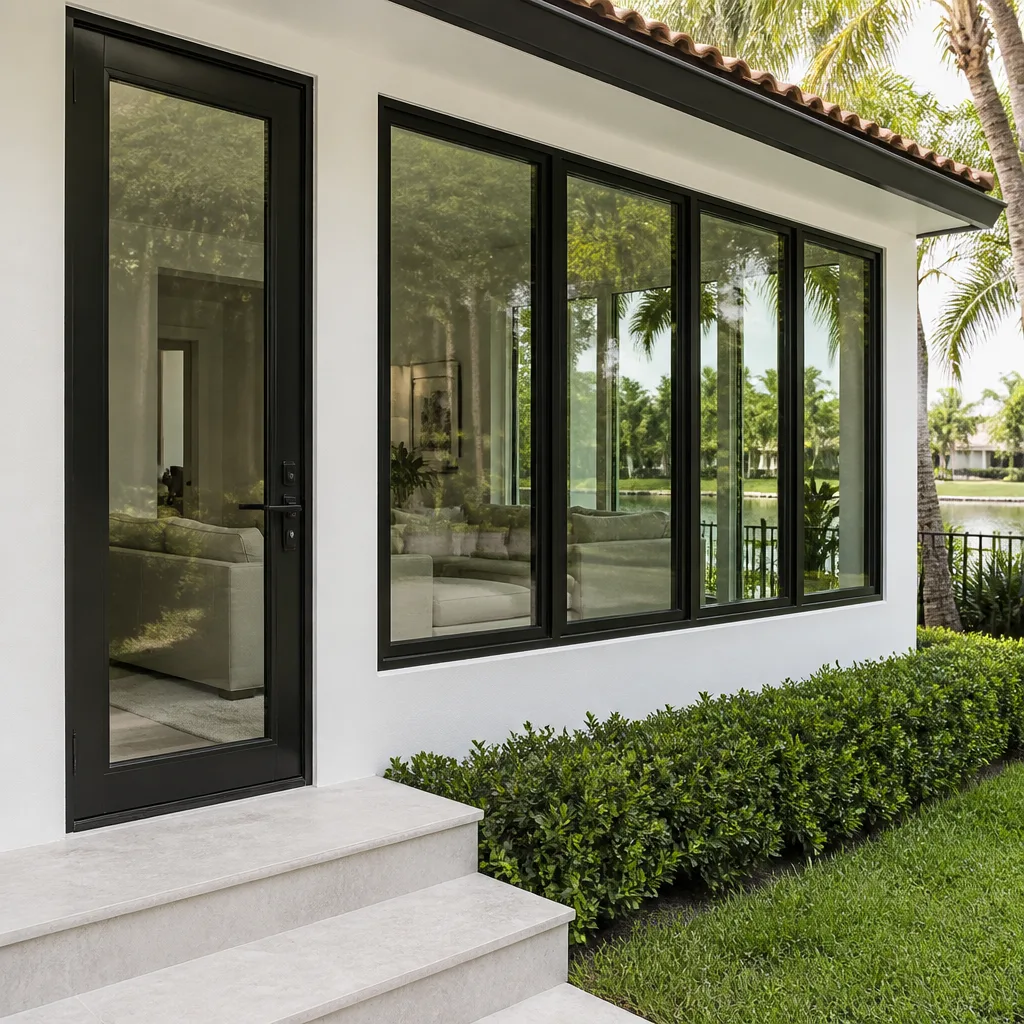 After
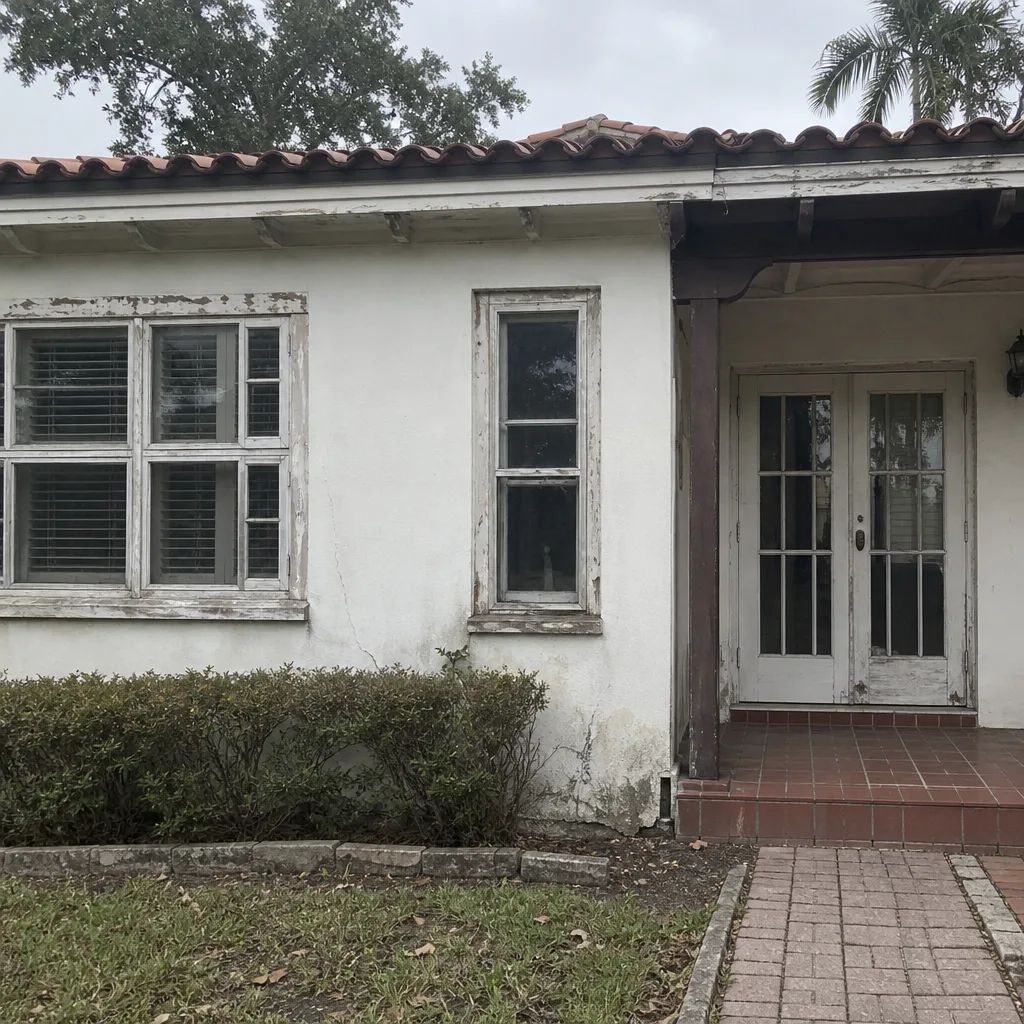 Before
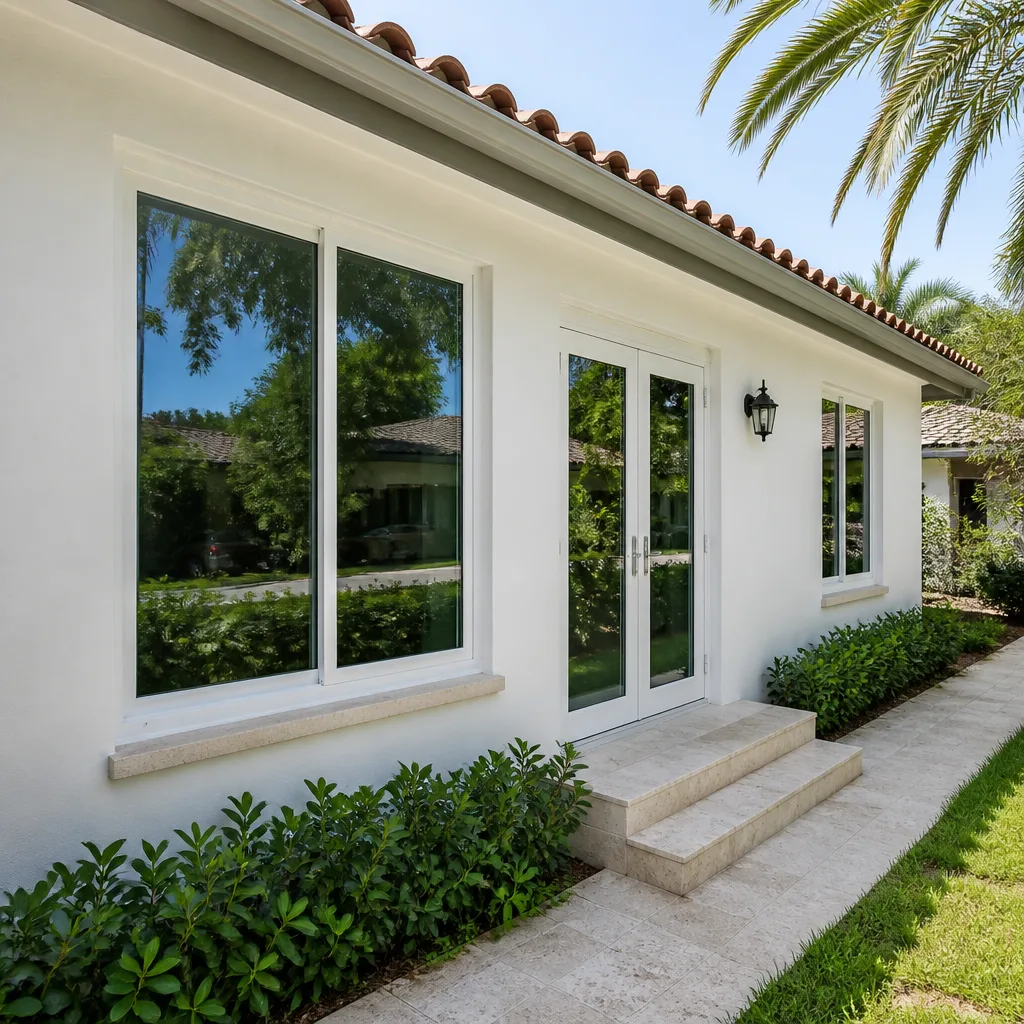 After
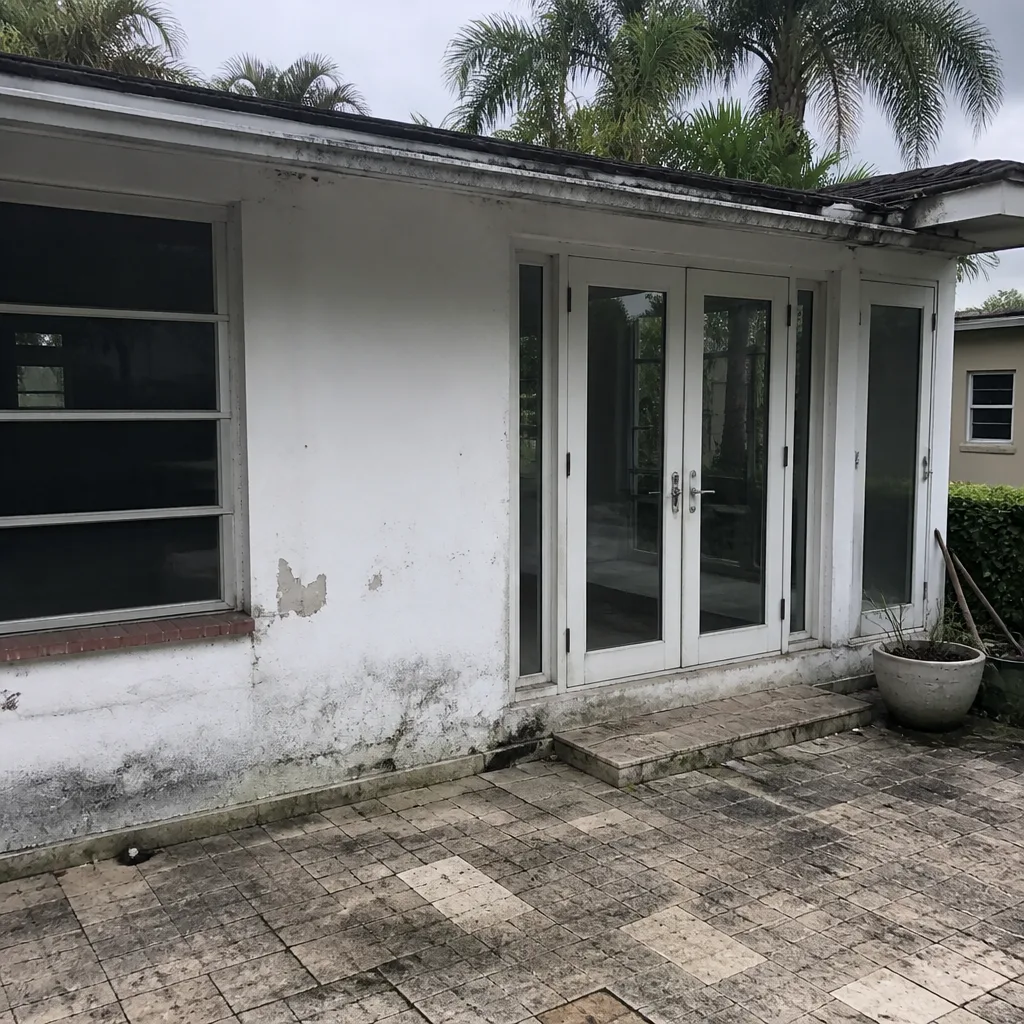 Before
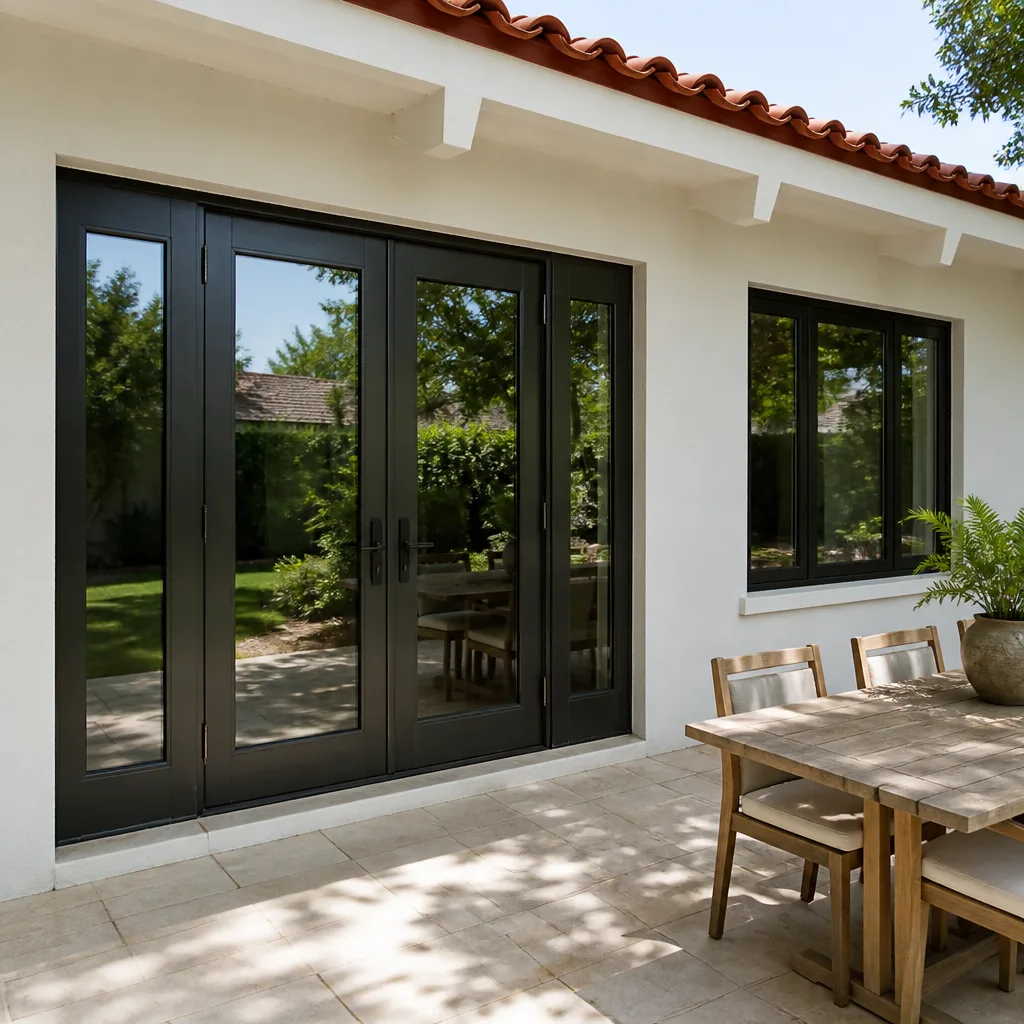 After
Windows & Doors Permits, Codes & Inspections in FL: What You Need to Know
Florida law lets homeowners pull their own permits. That sounds like a money-saver until the first real hurricane test comes, an insurance adjuster starts asking questions, and you discover that an owner-pulled permit for impact windows shifts every bit of installation liability directly onto your shoulders. In Miami Shores, where wind-driven rain and 150 mph gusts are the design standard rather than the exception, that liability isn’t theoretical. This guide walks you through how Florida’s window and door permit system actually works, why Miami-Dade County’s code amendments exist in the first place, and how the inspection trail becomes your strongest proof that the job was done right. For The Complete Guide to Windows & Doors in Miami Shores, see our full resource.
Quick Answer
Florida requires a permit for nearly all window and door replacements, and Miami-Dade County enforces even stricter High-Velocity Hurricane Zone (HVHZ) standards than the state baseline. A typical window replacement in Miami Shores requires a permit application, plan review, product approval documentation (NOA), a rough-in inspection, and a final inspection before the job is legally closed. Work without a permit can jeopardize insurance claims and delay or derail a future home sale.
Table of Contents
- Why Florida Regulates Windows and Doors So Closely
- Florida Building Code vs. Miami-Dade HVHZ: The Real Difference
- What a Notice of Acceptance (NOA) Actually Contains
- Step-by-Step Permit Timeline for a Miami Shores Window Replacement
- What Unpermitted Work Does to Insurance and Resale
- How to Track Your Permit on the Miami-Dade Portal
- Common Mistakes to Avoid
- When to Call a Professional
Why Florida Regulates Windows and Doors So Closely
After Hurricane Andrew flattened Homestead in 1992, Florida’s entire approach to building changed. The state didn’t just tighten codes; it rebuilt the enforcement structure from the ground up. Window and door openings became the central focus because post-storm forensic engineering showed something uncomfortable: most structural failures began at the opening, not the wall. When a window blows out, the pressure inside the house changes in an instant, and that pressure differential is what peels roofs off and collapses walls.
Since 2002, the Florida Building Code has required impact-resistant glazing or shutters for all new construction and most replacements in the wind-borne debris region, which includes all of Miami-Dade and Broward counties. The permit exists for a simple reason: it creates a public record that the product installed, the anchoring method used, and the inspections performed all match what the code requires. In Miami Shores, that record matters more than in most places because the village sits squarely inside the HVHZ zone, and insurers know it.
We tell homeowners in our area something they don’t always want to hear: the permit is not bureaucracy, it’s your receipt. For Windows & Doors Warning Signs: A Miami Shores Homeowner’s Reference Guide, visit our blog. When an insurance carrier processes a wind claim five years after installation, the first document they request is the permit record. No permit, no payout. It’s that direct.
Florida Building Code vs. Miami-Dade HVHZ: The Real Difference
The statewide Florida Building Code sets a baseline. Miami-Dade County’s High-Velocity Hurricane Zone (HVHZ) provisions overlay that baseline with stricter requirements. Understanding the difference explains why a window that passes code in Orlando might not be legal in Miami Shores.
The key distinctions:
- Design wind speed: The state code generally designs for wind speeds around 140 to 150 mph depending on location. The HVHZ assumes 175 mph or higher in some exposure categories, which drives everything downstream.
- Impact testing standard: The state code references ASTM E1996 and ASTM E1886 as the primary impact test methods. Miami-Dade requires these plus compliance with TAS 201, 202, and 203, which are Miami-Dade-specific testing protocols that include large-missile impact tests and cyclic wind pressure loading. A product tested only to ASTM standards without the TAS protocols cannot be installed in the HVHZ.
- Anchoring and installation: Miami-Dade’s HVHZ code includes prescriptive anchoring schedules that are more demanding than the state baseline. Fastener spacing, embedment depth, and substrate requirements are all specified more tightly.
- Notice of Acceptance: Only Miami-Dade County operates the NOA system, which pre-approves entire product assemblies, including the frame, glass, anchoring method, and installation instructions. The state code does not have an equivalent document. Products must carry either a Florida Product Approval or a Miami-Dade NOA to be installed in the county.
For a homeowner in Miami Shores, the practical takeaway is this: quote comparisons between a state-code-compliant window and an HVHZ-rated window are not apples to apples. The HVHZ window is tested harder, anchored differently, and documented more rigorously. That documentation is what protects the insurance claim later.
Our Impact Windows in Miami Shores page covers product selection in more detail, but the code distinction matters here because it determines what your permit reviewer will ask for before the job even starts.
What a Notice of Acceptance (NOA) Actually Contains
A Notice of Acceptance is a Miami-Dade County document, and it is the single most misunderstood piece of paper in South Florida window installation. Homeowners rarely see one, and most contractors wave at it without explaining what’s inside. Knowing how to read it will change how you evaluate every quote.
An NOA contains roughly six sections:
- Product identification: Manufacturer, product line, frame material, glass type, and the specific models covered by the approval.
- Impact and pressure ratings: The design pressures (measured in pounds per square foot, or psf) the window is rated to withstand, along with the impact test results.
- Approved configurations: Maximum and minimum sizes, orientation restrictions, and any limits on mulling or combining units.
- Installation instructions: This is the section that determines whether your permit passes rough-in inspection. It specifies fastener type, fastener spacing, substrate requirements, and anchoring details.
- Anchoring details and drawings: Structural engineers review these drawings. They are prescriptive, meaning the installer must follow them exactly.
- Expiration date and revision history: NOAs expire and must be renewed. Using an outdated NOA on a current permit will get the application rejected.
Here’s what matters in practice: if the installation instructions in the NOA specify #10 stainless steel screws at 4 inches on center, and the installer uses #8 screws at 6 inches, the rough-in inspection fails. Not because the inspector is picky, but because the product was tested with one anchoring pattern and installed with a different one. The NOA is not a formality. It is the entire legal basis for saying “this window will perform as tested.” Deviation from it, even if the installer believes the deviation is stronger, invalidates the approval.
In our experience in Miami Shores, the most common rough-in failure is fastener substitution. Contractors reach for whatever screw is in the truck instead of the one specified on the NOA. The fix costs a day and a re-inspection. Hiring someone who reads the document before opening the first box avoids it entirely.
We install products from manufacturers including CWS, ES Windows, and Mr-Glass, each of which maintains current NOAs for the Miami-Dade market. The approval lives with the manufacturer, but the liability for following it lives with the installer.
Step-by-Step Permit Timeline for a Miami Shores Window Replacement
This is the sequence for a typical residential window replacement in Miami Shores, assuming you’re replacing like for like (same opening sizes) with impact-rated products. If you’re enlarging openings or cutting new ones, plan review takes longer because structural calculations and possibly engineering drawings come into play.
- Application submission (Day 1): Your contractor submits the permit application through the Miami-Dade online portal, attaching the NOA for each product, the product approval drawings, and a site-specific floor plan marking which openings are being replaced. A homeowner can submit this themselves, but see the liability discussion below.
- Plan review (typically 3 to 10 business days): A county plan reviewer checks that the products match the wind zone, the anchoring plan matches the NOA, and the installation meets HVHZ requirements. Rejections happen most often for outdated NOAs or mismatched product sizes.
- Permit issuance (after review approval and fee payment): Once the reviewer approves, the permit is issued and the job can legally start. Dates are recorded. The permit card must be posted at the job site.
- Rough-in inspection (after old windows are removed and new frames are anchored, before trim covers the fasteners): The inspector verifies fastener type, spacing, and embedment against the NOA. For most window replacements, this is the most consequential inspection because after the trim goes on, fasteners can no longer be verified.
- Final inspection (after installation is complete): The inspector confirms the windows are installed, caulked, operating correctly, and that the site matches the permit documents.
- Permit closure: The final inspection passes, the permit is closed, and the record becomes permanent. This is the document your insurance company will ask for.
The whole process for a typical Miami Shores home runs two to four weeks from application to closure, with actual installation taking one to three days in the middle. Where delays happen, it’s almost always at plan review or the rough-in correction. Delays are expensive, but they’re also avoidable with the right product selection upfront.
If you’re comparing contractors, ask one question: “Whose name goes on the permit?” The answer determines who is legally responsible for the installation. Our page on Window Replacement in Miami Shores covers the contractor selection process in detail.
What Unpermitted Work Does to Insurance and Resale
Unpermitted window and door replacement is more common in Florida than anyone in the industry likes to admit. It happens for predictable reasons: a homeowner wants to save the permit fee, or a handyman offers a cash price without pulling paperwork. The short-term savings are real. The long-term consequences are worse than most people imagine.
Insurance implications: Florida insurers routinely deny wind claims when the damaged openings were replaced without a permit. It’s not a gray area. The standard homeowner’s policy includes language requiring improvements to comply with applicable building codes, and the permit record is the only widely accepted proof of compliance. If a window installed without a permit fails during a storm and water damages the interior, the carrier will likely deny the entire claim, not just the window portion. We’ve seen homeowners in Miami Shores discover this after the fact, and the conversation never ends well.
Resale disclosure obligations: Florida law requires sellers to disclose unpermitted work on the property disclosure statement. If you don’t disclose and the buyer discovers the unpermitted windows after closing, you’ve created a fraud claim. Real estate agents in Miami-Dade typically run permit searches during due diligence, so nondisclosure is increasingly difficult to hide. The practical outcome is that unpermitted work caps your resale price or forces a retroactive permit, which costs more than the original permit would have, because now the county wants to inspect installed work that may require destructive investigation to verify anchoring.
Retroactive permitting is a gamble: Miami-Dade will sometimes issue a permit for work already completed, but it requires exposing the installation for inspection, and the inspector may require corrections before approving. If the work doesn’t meet current code, the correction cost can exceed the original installation.
The permit is cheaper than the alternative. Always. Say it out loud the next time a low quote arrives without permit fees included.
How to Track Your Permit on the Miami-Dade Portal
You don’t need to call your contractor every day to know where your permit stands. Miami-Dade’s online portal (miamidade.gov, under Building and Permitting) gives homeowners direct access to the status of every permit on their property. Learning to read it takes about ten minutes and changes the dynamic entirely.
Here’s what to check:
- Application status: Look for “Under Review,” “Approved,” or “Rejected” notes. Rejection comments are posted with the specific code section cited, so you’ll know exactly what the reviewer flagged.
- Inspection scheduling: Once the permit is issued, the portal shows inspection requests and scheduled dates. You can verify the rough-in and final inspections are actually being requested, not just claimed.
- Inspection results: Pass and fail results are posted with the inspector’s comments. If a correction is required, the comment tells you exactly what to fix.
- Permit closure: Once the record shows “Closed” or “Completed,” the inspection trail is complete and permanent.
We tell every Miami Shores homeowner to create a portal account before the job starts, and we’re happy to walk clients through it. There’s no reason for opacity in this process, and a contractor who resists your involvement is telling you something you should hear.
Common Mistakes to Avoid
- Pulling an owner-builder permit for impact windows. Florida allows it, but the liability shifts entirely to you, and most homeowners discover the consequence only when an insurance claim is denied because the installation records don’t hold up to scrutiny.
- Skipping the NOA review. Every product in Miami-Dade must carry a current NOA or Florida Product Approval. Installing a product without one fails plan review immediately, and worse, may fail an audit years later.
- Letting the installer choose fasteners from the truck. The NOA specifies fastener type and spacing. Substitution is the most common rough-in failure we see in Miami Shores and costs a corrective inspection.
- Paying for the entire job before the final inspection passes. Withhold final payment until the permit portal shows the permit closed. This is the strongest leverage a homeowner has.
- Assuming homeowners’ insurance covers unpermitted work. It almost never does. The risk of saving a few hundred dollars on a permit is a denied claim after a storm.
- Enlarging an opening without structural review. Changing window sizes changes load paths. Miami-Dade requires calculations for any opening size change, and skipping it is the fastest route to a failed inspection and an unsafe installation.
- Using an outdated NOA. Approvals expire and get revised. A product that was legal three years ago may not be legal today, and your plan reviewer will know before you do.
When to Call a Professional
Pulling permits and reading NOAs is not for everyone, and that’s fine. The line is clear: if you’re replacing windows or doors in a Miami-Dade home and you want the installation to be legally defensible, insurable, and resale-ready, hire a contractor who handles the entire permit process. Specifically, look for one who puts their own license on the permit, not yours. If you’re a homeowner weighing an owner-builder permit to save money, that’s the moment to call instead. Window Installation in Miami Shores explains what a full-service installation includes. Winslow Windows & Doors offers free estimates in Miami Shores - call (727) 483-7883.
Frequently Asked Questions
Yes, nearly all window replacements in Florida require a permit, and in Miami-Dade County the work must meet HVHZ requirements with approved products. Replacing glass only, without changing the frame, typically does not require a permit, but any frame replacement does. For an exact determination in Miami Shores, call (727) 483-7883 and we’ll walk you through it.
Miami-Dade permit fees are calculated from the job valuation and product quantity, so there’s no flat number, but a typical window-replacement permit for an average Miami Shores home runs in the hundreds, not thousands. The larger cost is the risk of skipping it, which can become a denied insurance claim. We include permit fees as a transparent line item on every estimate.
Legally, no, and practically, doing so will create a liability you’ll carry for as long as you own the home. Miami Shores sits inside the HVHZ, where unpermitted installations are easily detected at resale and routinely denied coverage by insurers after a storm.
Plan review for a straightforward window replacement typically runs 3 to 10 business days, and the entire process from application to permit closure usually takes two to four weeks. The actual installation takes one to three days. Delays are most often caused by outdated product approvals or incomplete application packages.
If rough-in fails, the inspector posts specific corrections, the installer fixes the issue, and a re-inspection is scheduled, adding time but not permanent consequence. The most common cause is fastener substitution that doesn’t match the NOA. This is preventable with a contractor who reads the installation instructions before drilling the first hole.
Yes. We pull the permit under our license, handle plan review, schedule every inspection, and provide the full permit record when the job closes. Our name on the permit means our liability, not yours. For more guides & resources, visit our blog, or leave a message or call us any time at (727) 483-7883 - a real person answers.
The Bottom Line
Florida’s window and door permit system exists because hurricanes taught us what happens when openings fail. In Miami Shores, where the HVHZ code governs, the permit is not optional and never has been. The process is learnable, trackable, and ultimately protective: plan review, NOA compliance, rough-in verification, final closure. Unpermitted work creates insurance and resale liabilities that far exceed the permit cost. A contractor who puts their own license on the permit is taking responsibility you should never be asked to bear alone. If you’re planning a window or door project in Miami Shores, start with a free estimate from a local owner who answers the phone. We’d rather spend an hour walking you through the process than have you discover the details the hard way. Call (727) 483-7883 today.
Written by Ed Winslow, Owner at Winslow Windows & Doors, serving Miami Shores since 2011.
Six Reasons Homeowners Choose Winslow Windows & Doors
Impact systems engineered to design pressures up to +/-100, matched to your wind zone - your openings hold when the storm arrives.
Low-E insulated impact glass from our manufacturer lines commonly cuts monthly cooling bills 20-30%.
Laminated impact glass shuts out up to 40% of outside noise - traffic, neighbors, weather.
Monitoring services run $30-90 a month. Laminated impact glass resists forced entry around the clock, with no subscription.
Florida homeowners average around 25% savings on the windstorm portion of their policy after protecting every opening - some homes qualify for more.
A full impact package upgrades curb appeal, buyer confidence and appraised value in one project.