
Last updated August 27, 2026
Free in-home measure and quote - PGT, CGI and CWS impact lines compared on your actual openings, style by style
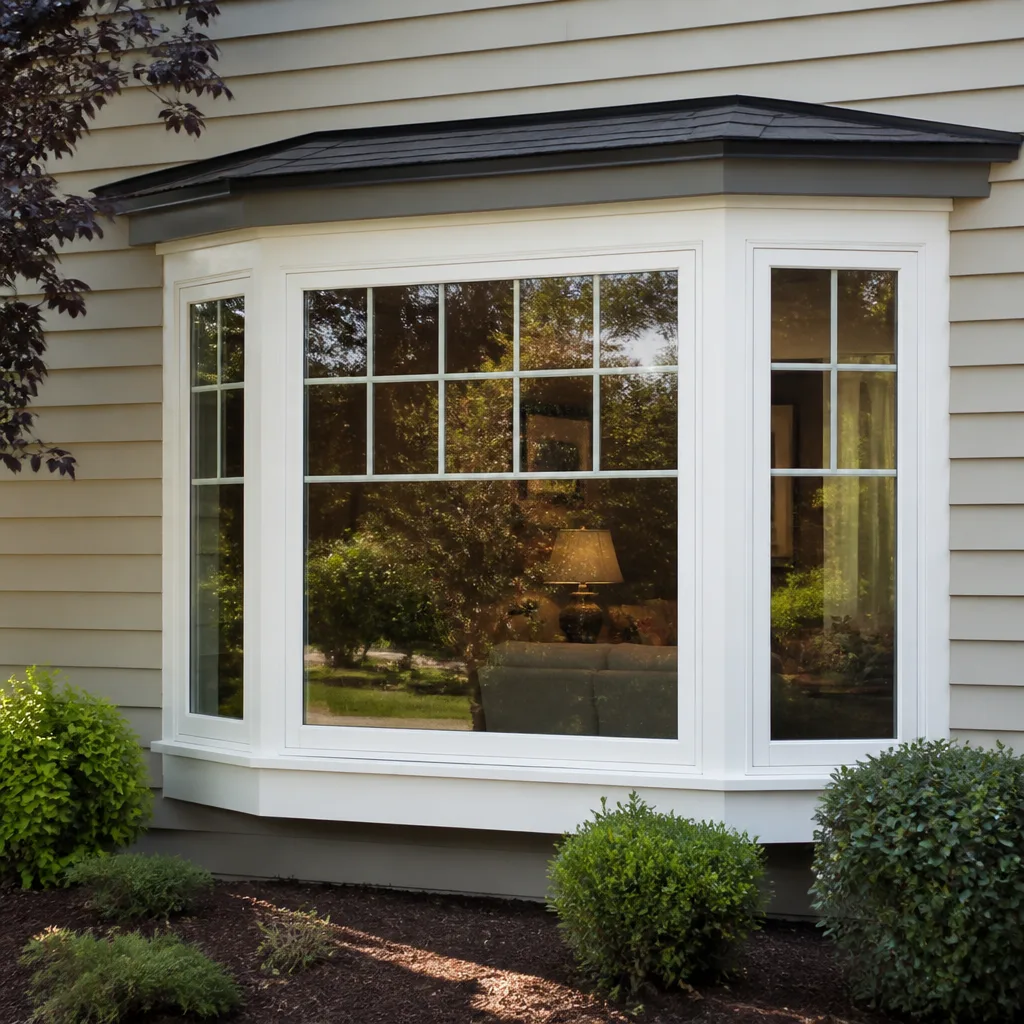
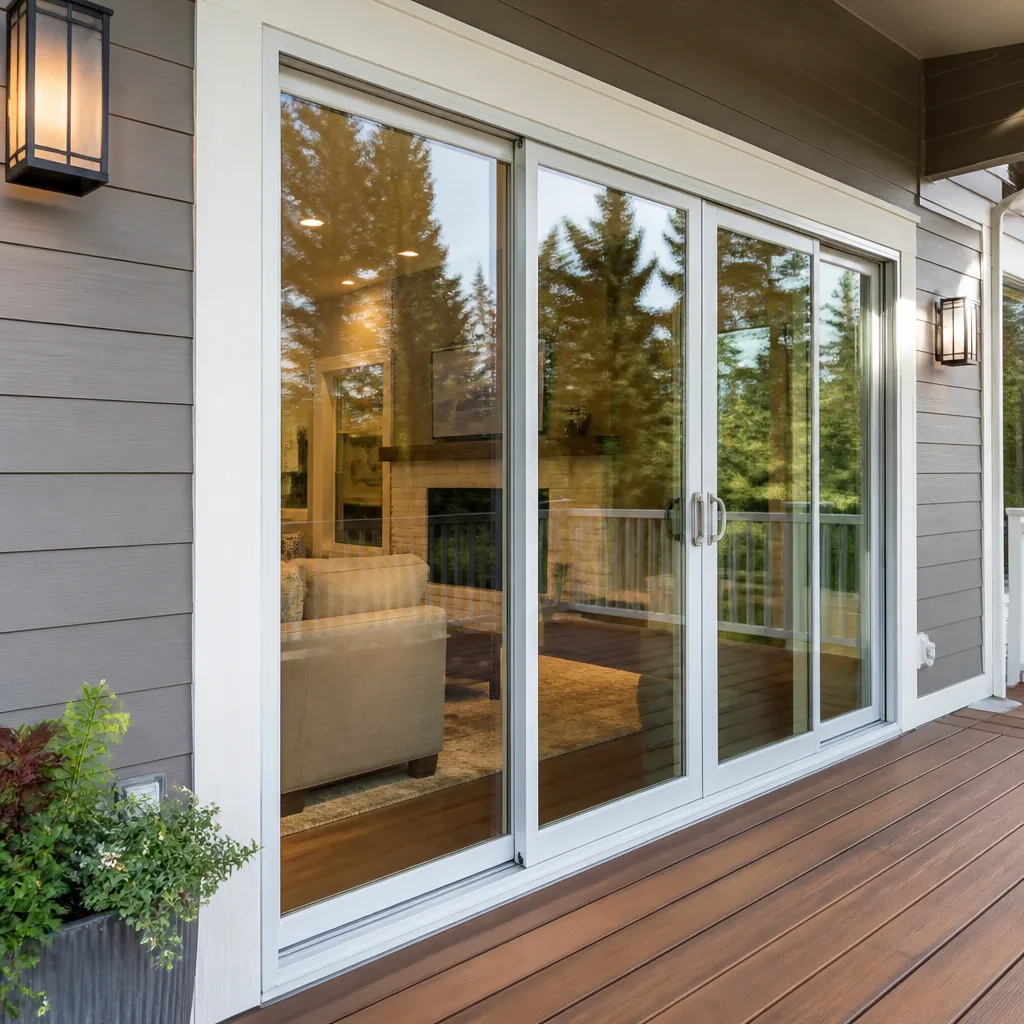
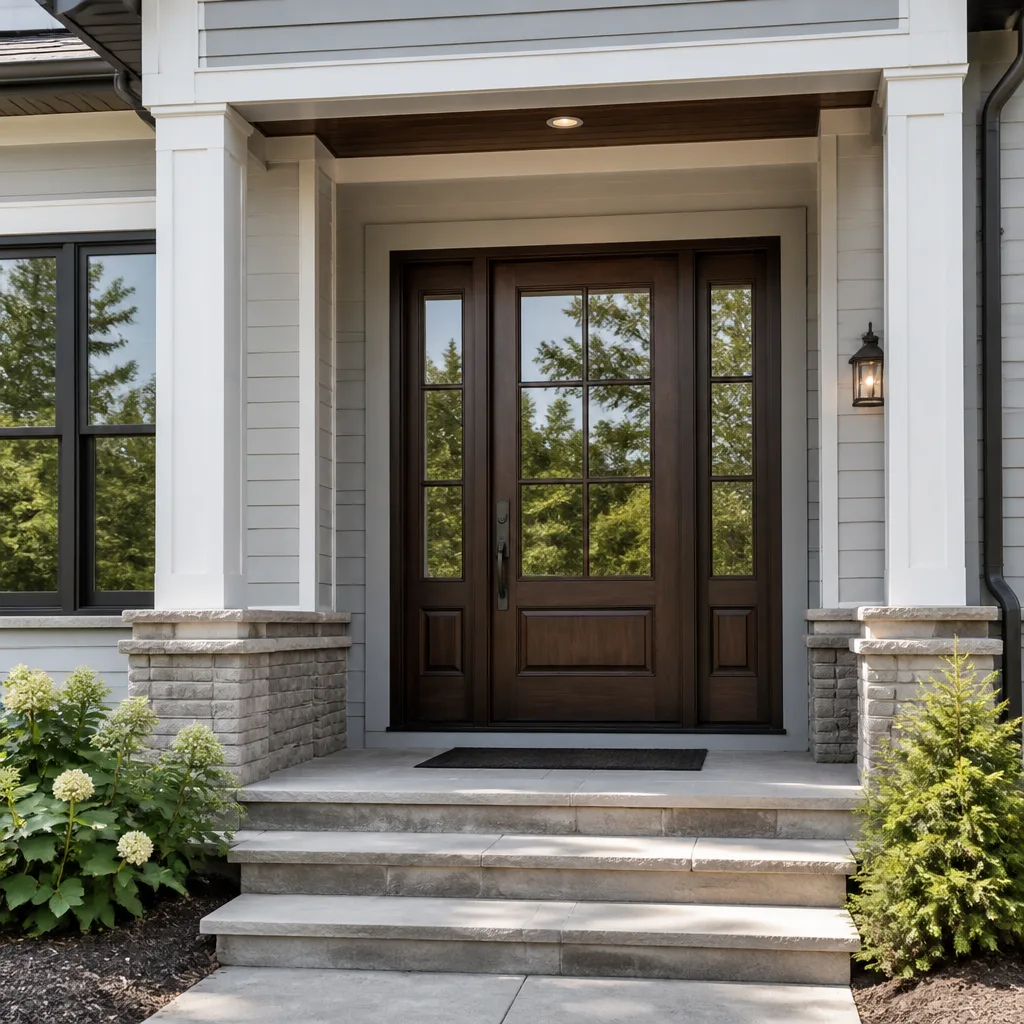
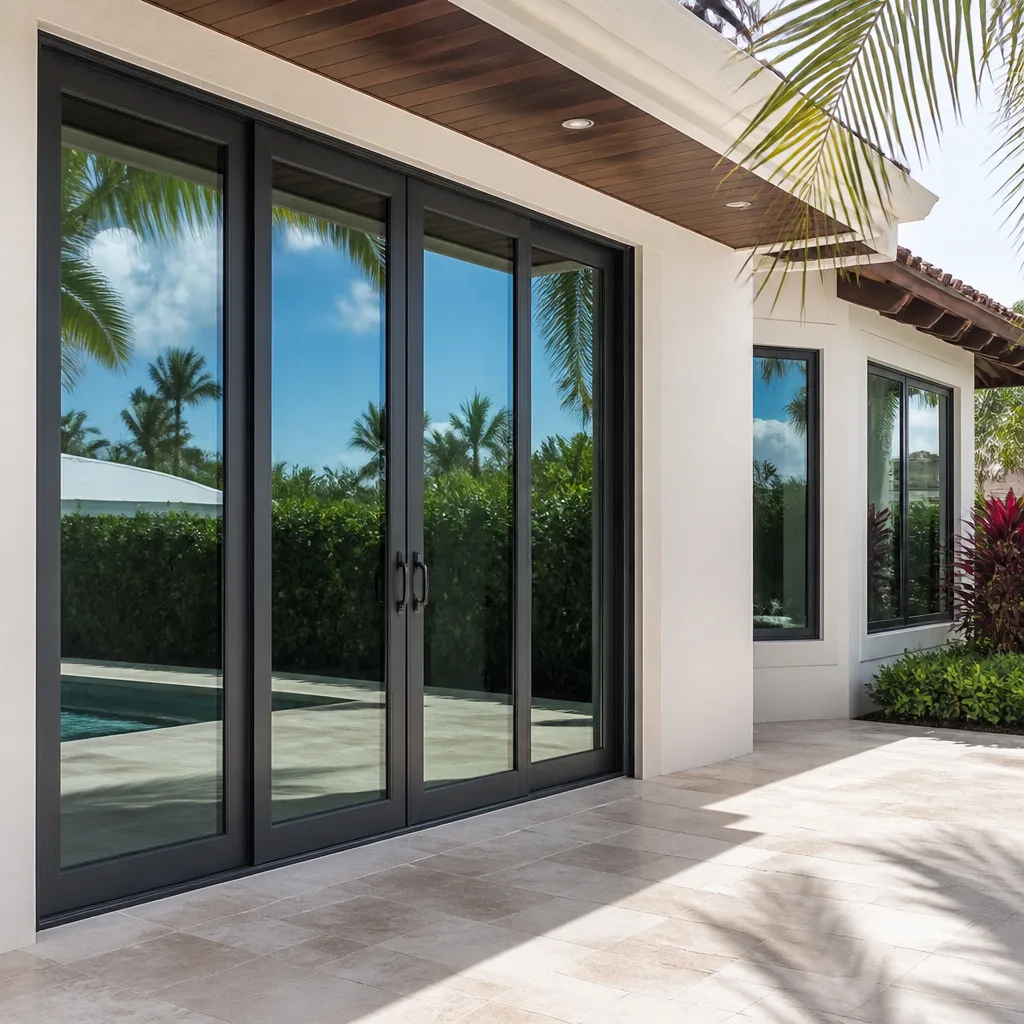
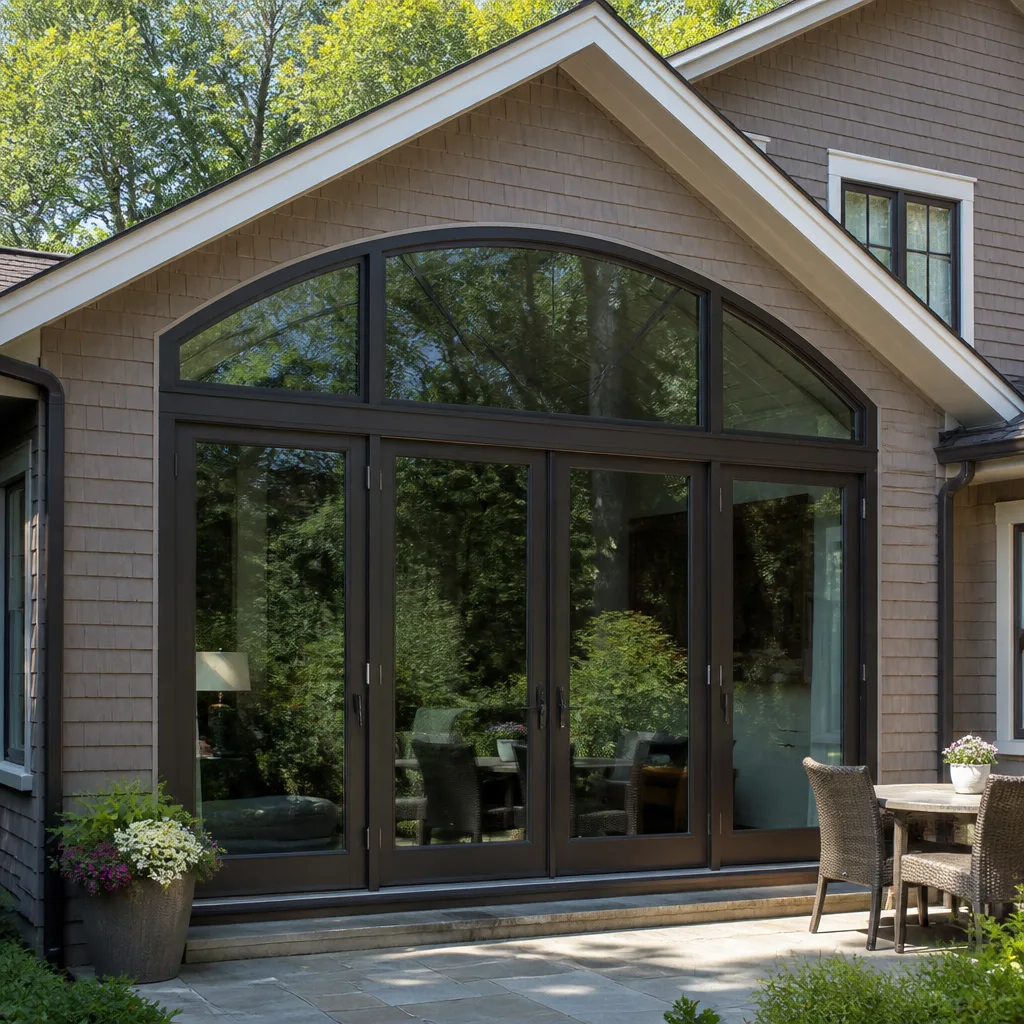
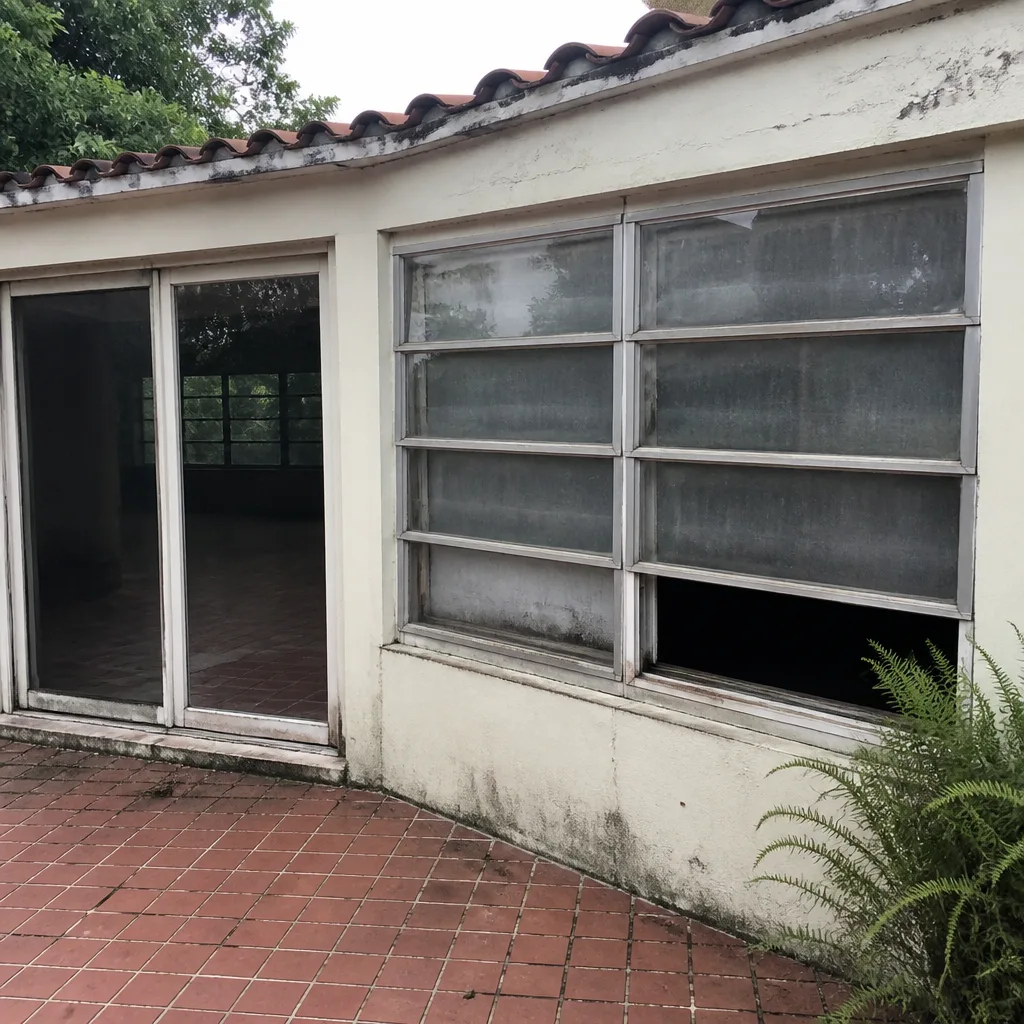 Before
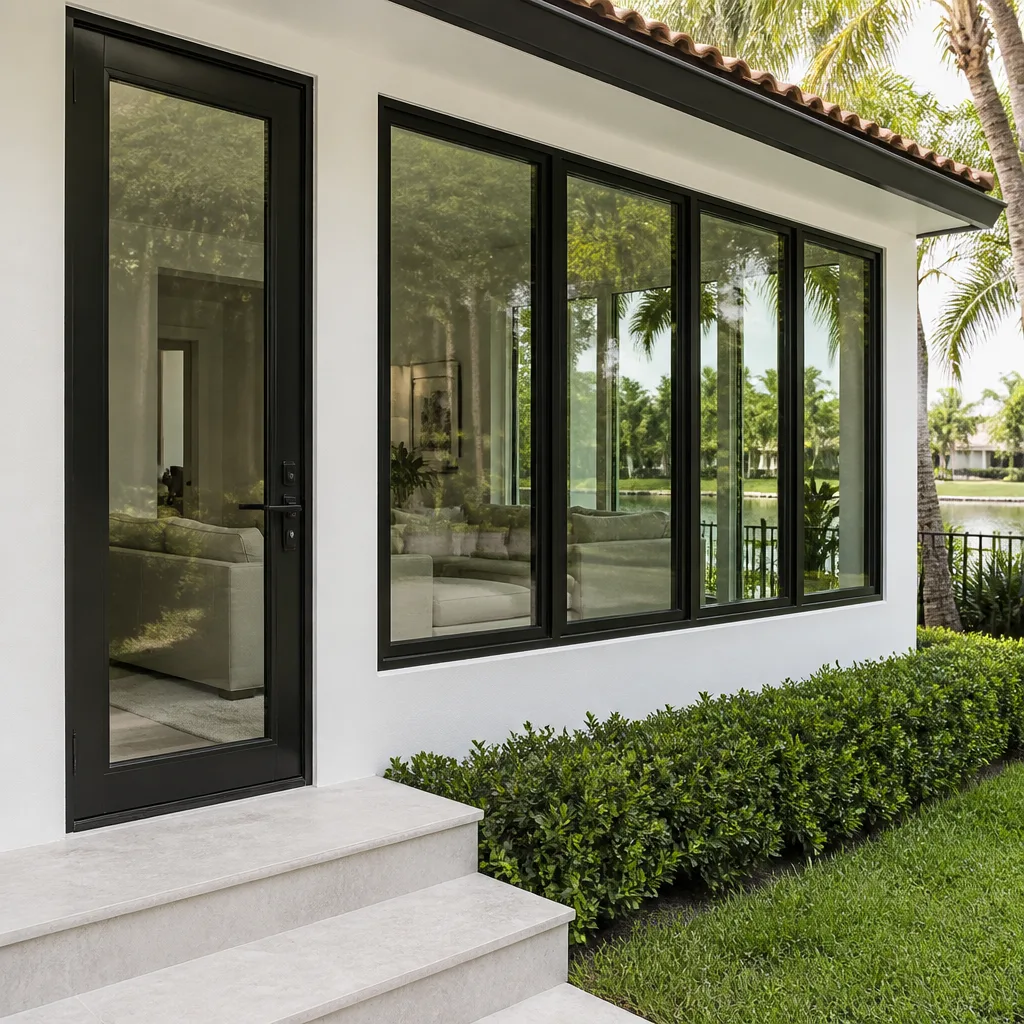 After
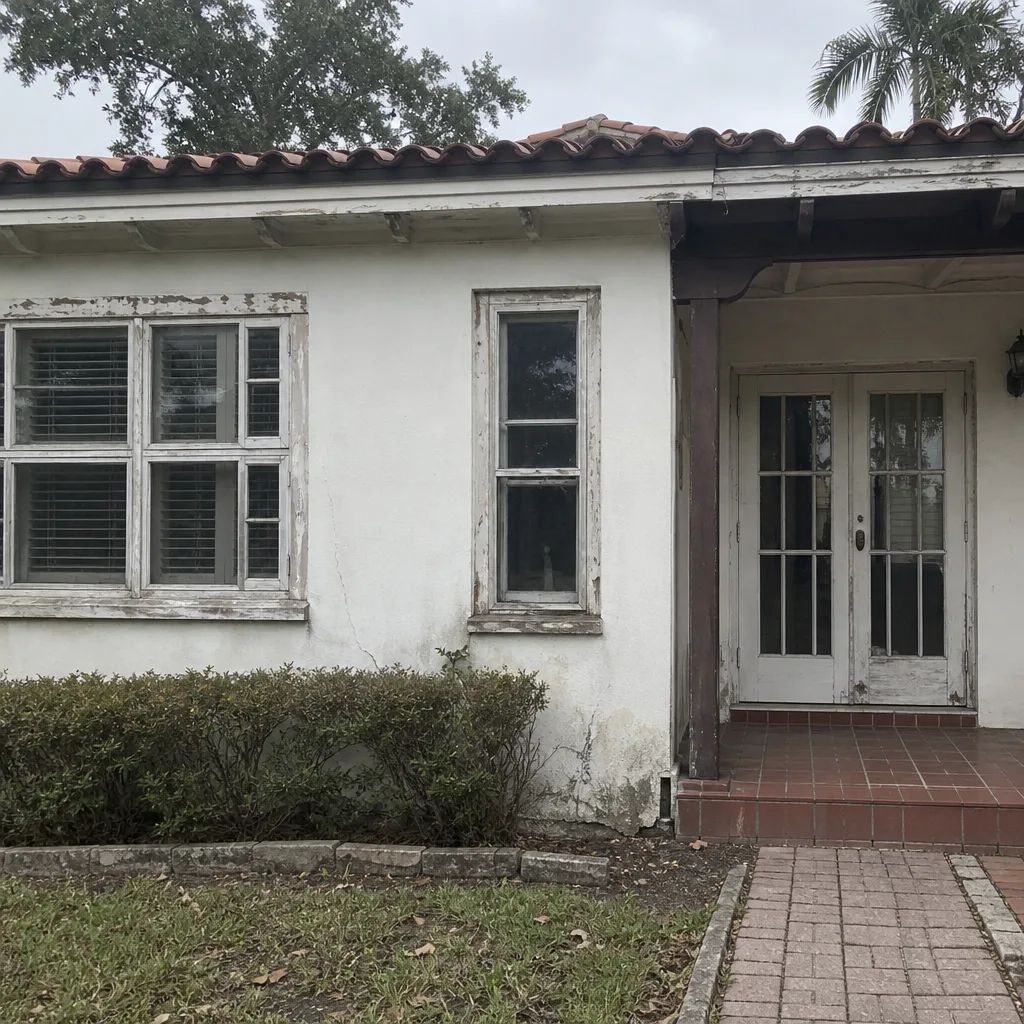 Before
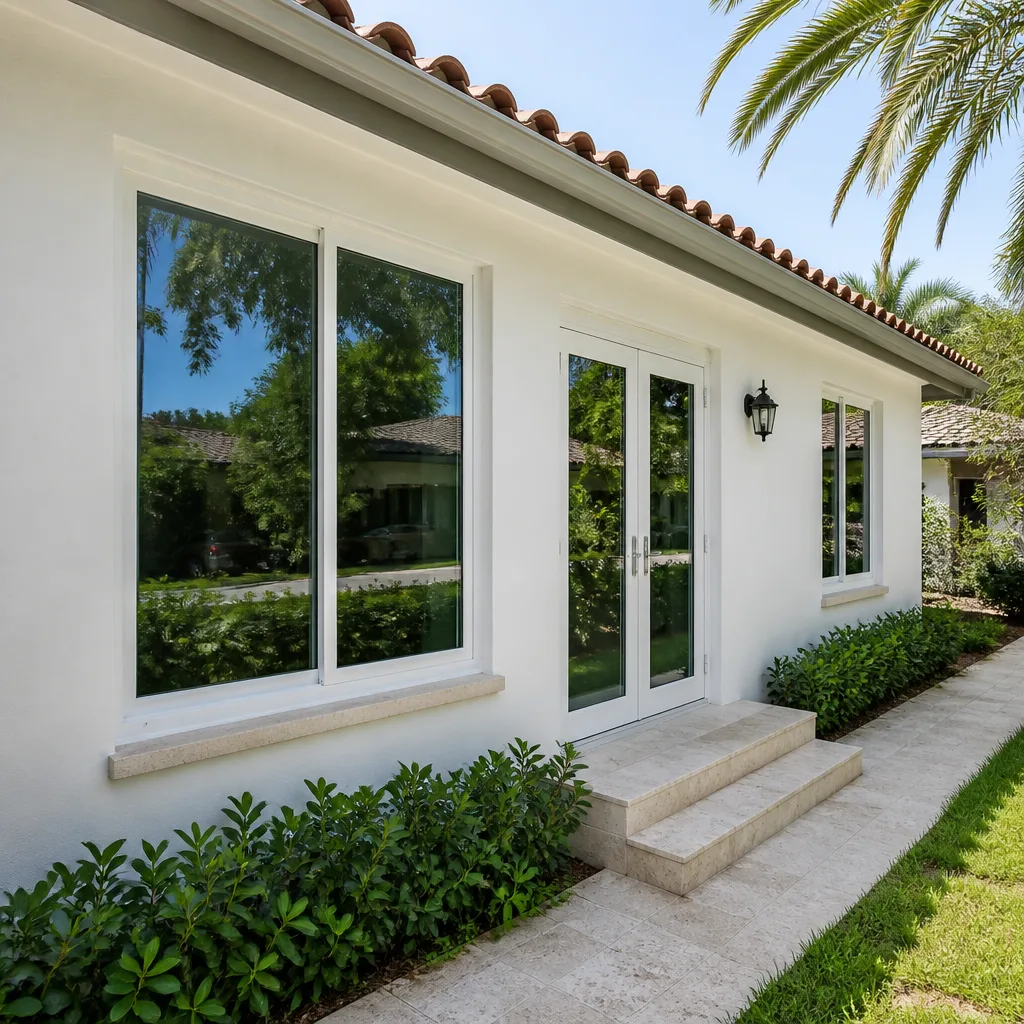 After
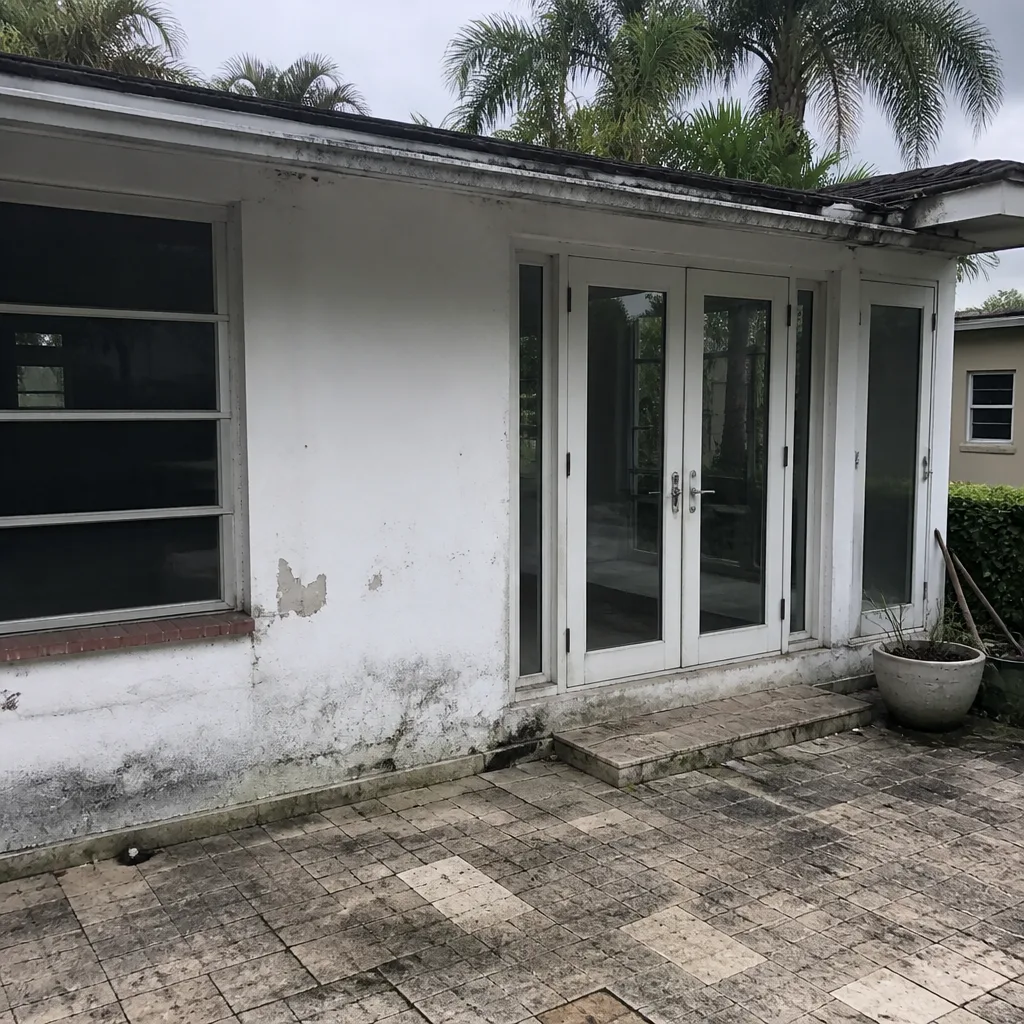 Before
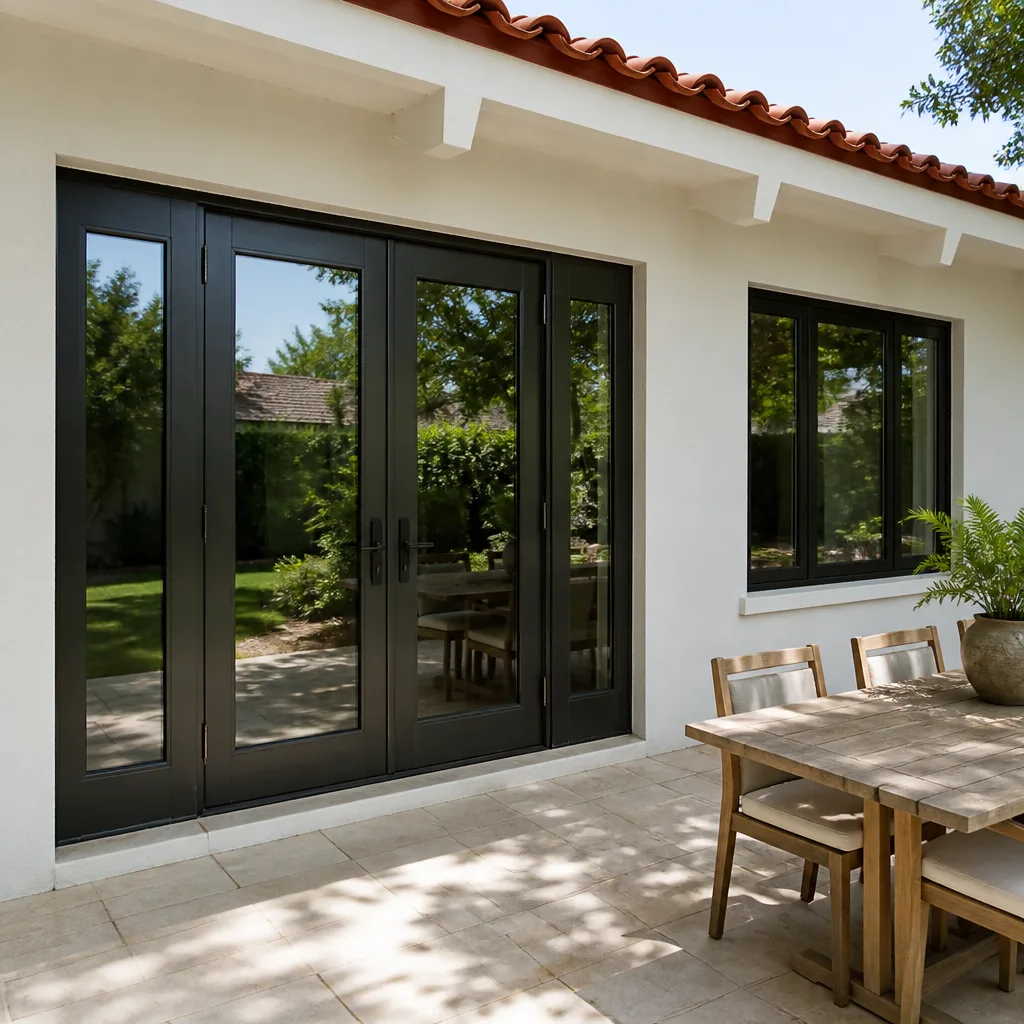 After
Windows & Doors Warning Signs: A Miami Shores Homeowner’s Reference Guide
A hairline crack in the glazing compound around an impact window looks purely cosmetic until you understand what it actually means. That crack can reduce the unit’s tested design pressure resistance by as much as 30 percent, and you won’t know it until the next hurricane puts real wind load against the glass. In Miami Shores, where salt air and Category 5 building codes define everyday life, the warning signs your windows and doors show you are different from what homeowners in Orlando or Atlanta ever see. This guide teaches you to read the signs your house is already showing you, before they become a problem you can’t ignore. For a deeper dive, see The Complete Guide to Windows & Doors in Miami Shores.
Quick Answer
The most common warning signs that windows and doors in Miami Shores are failing include fogging between double-pane glass, white chalky oxidation on aluminum frames, doors that stick or won’t latch cleanly, drafts you can feel at the frame perimeter, and visible cracking in glazing compound or caulk. Each sign points to a specific problem, from a cheap weatherstripping fix to a structural conversation about a shifting rough opening. Catching these signs early keeps repair costs down and creates a documentation trail your insurance adjuster will respect.
Table of Contents
- Condensation vs. Fogging: Reading Your Impact Glass Correctly
- Salt-Air Oxidation: Aluminum vs. Vinyl Frames in Miami Shores
- What Your Door Is Telling You: Sticky Operation vs. Hard-to-Latch
- Frame Gaps and Drafts: Weatherstripping or Structural Shift?
- Glazing Compound, Caulk, and the 30% Problem
- Why Documenting These Signs Matters for Insurance
- Common Mistakes to Avoid
- When to Call a Professional
- Frequently Asked Questions
Condensation vs. Fogging: Reading Your Impact Glass Correctly
Here’s the distinction most national guides miss: condensation on the room side of your impact glass is usually a humidity issue inside your house, not a window failure. Fogging between the two panes of an insulated unit is a seal failure, full stop. In Miami Shores, where indoor humidity runs high from May through October, you’ll see condensation on interior glass surfaces regularly, especially on bedroom windows in the morning. Wipe it off and it’s gone. That’s normal.
Interstitial fogging looks different. It appears between the panes and doesn’t wipe away because you can’t reach it. In impact windows from PGT and CGI, the insulated glass unit is sealed at the factory with desiccant inside the spacer bar. When that seal fails, moisture gets in, the desiccant saturates, and you get a milky haze that comes and goes with temperature swings. Sometimes it clears for weeks, which is why homeowners ignore it. Then the next cold front moves through and the fog returns.
We’ve replaced units in Miami Shores where the fogging was so advanced you could see mineral deposits etching the interior glass surface. At that point the glass isn’t just foggy, it’s permanently stained. The fix is a new insulated glass unit, not a cleaning. If you catch seal failure early, before mineral etching, the frame and hardware are fine and replacement is straightforward. Wait too long and you’re replacing the entire sash.
How to Check Your Windows in 60 Seconds
- Pick a morning when the outside temperature is at least 10 degrees cooler than inside.
- Run your finger across the interior glass surface. If moisture wipes off, it’s condensation. Monitor your indoor humidity.
- Look at the glass from a slight angle, not straight on. Interstitial fog shows as a haze you can’t touch.
- Check the corners of each pane. Seal failure often starts at a corner where the spacer bar meets the glass edge.
- Note which windows are affected and when you first noticed it. Write it down.
One more Miami Shores-specific factor: homes within a few blocks of Biscayne Bay get more salt aerosol than homes further inland. Salt accelerates seal degradation on older units, so if you’re east of Biscayne Boulevard or near the Little River, expect seals to fail 3 to 5 years earlier than the factory warranty suggests. That’s not a defect. That’s the environment.
Salt-Air Oxidation: Aluminum vs. Vinyl Frames in Miami Shores
Aluminum frames oxidize. That’s chemistry, not a manufacturing flaw. In Miami Shores, the salt content in the air accelerates oxidation significantly compared to inland Florida. The question is whether what you’re seeing is cosmetic or structural, and that depends entirely on what stage the oxidation has reached.
Stage 1 oxidation presents as a fine white chalky dust on the frame surface. You can wipe it with a dry cloth and it comes off, leaving the original finish mostly intact. This is reversible with regular cleaning. Use mild soap and water, never abrasive cleaners, and definitely never pressure washing, which drives salt deeper into the frame joints. Stage 1 oxidation is maintenance, not a problem.
Stage 2 oxidation is where the white chalk won’t wipe clean. The aluminum has begun to pit. The surface feels rough, and wiping it produces more chalk. At this stage the frame’s protective anodized or painted finish has been breached. The aluminum underneath is exposed and actively corroding. This is still repairable, but it’s a refinishing job, not a cleaning job.
Stage 3 is structural. You’ll see flaking, visible metal loss at the corners, and fasteners that have rusted through. In extreme cases the frame corners separate. If you’re at Stage 3, the window needs replacement. No refinishing product will restore structural integrity, and in Miami Shores, a structurally compromised frame is a wind-load liability you don’t want to test.
Vinyl frames behave differently. Vinyl doesn’t oxidize, but it does degrade under UV exposure. In Miami Shores, the UV index runs high year-round, and south-facing vinyl frames get hit hardest. The warning sign is chalking similar to aluminum but with a yellowish tint, plus brittleness. If you can flex the frame with your thumb and it doesn’t spring back, the vinyl has lost its plasticizer and is becoming brittle. That’s not reversible. Plan for replacement before the next major storm season. If you’re considering new windows, our impact windows in Miami Shores guide explains what to look for in a replacement.
What Your Door Is Telling You: Sticky Operation vs. Hard-to-Latch
Entry doors speak a language of their own, and most homeowners misread it. The key distinction: a door that sticks when swinging open is telling you something different than a door that won’t latch cleanly when you close it. Understanding the difference saves you from paying for a repair you don’t need or ignoring a repair you definitely do.
A door that sticks mid-swing, or drags against the frame at the top or hinge side, is usually an alignment problem. In Miami Shores, where wood framing expands with summer humidity and contracts in the dry winter months, this is seasonal for many homes. If your door sticks in August and swings fine in January, you’re dealing with humidity-driven frame movement. The fix is often a hinge adjustment or minor strike plate realignment, not a new door.
A door that swings freely but resists latching, or latches only when you pull hard, is a different problem. On PGT and Therma-Tru entry systems, hard-to-latch usually points to one of three things: a sagging door panel that has shifted the latch out of alignment with the strike plate, a weatherstripping issue where the sweep at the bottom is too stiff, or a structural issue where the rough opening has shifted. In Miami Shores, we see rough opening shift most often on homes built on fill soil near the Little River or on older slab foundations that have settled unevenly.
Here’s a diagnostic sequence that takes about three minutes:
- Close the door slowly and watch where the latch meets the strike plate. If the latch hits above or below the plate opening, the door has sagged. Check the top hinge screws first.
- If the latch aligns but won’t seat, check the bottom sweep. A stiff or misaligned sweep can prevent the door from closing the last quarter inch needed for the latch to engage.
- If the latch aligns and the sweep is fine, but the door still won’t latch, the rough opening may have shifted. Look at the reveal around the door. A reveal wider at the top than the bottom on the latch side means the frame has racked.
- On impact-rated doors, check the multi-point locking system. PGT and Therma-Tru multi-point locks have multiple latch points, and if one is out of alignment the whole door feels hard to operate.
The important thing: don’t force it. Forcing a misaligned impact door stresses the hinges, the locking mechanism, and eventually the frame. If you’re replacing a door, our window installation in Miami Shores guide covers what a proper install should look like, and the same principles apply to doors.
Frame Gaps and Drafts: Weatherstripping or Structural Shift?
You feel a draft near the window frame. Before you call anyone, figure out whether you’re dealing with a five-dollar weatherstripping issue or a shifting rough opening that requires structural work. The distinction matters because the first is a quick fix and the second is a conversation you need to have with someone who understands Miami Shores building conditions. If you’re weighing whether to tackle repairs yourself, read DIY vs Professional Windows & Doors: The Miami Shores Homeowner’s Decision Guide first.
Weatherstripping failure is the most common cause of frame drafts. In impact windows from CGI and ES Windows, the weatherstripping is a compressible seal that runs along the sash perimeter. Over time it compresses permanently, especially on windows that get direct afternoon sun. The fix is replacement weatherstripping, which any competent installer can do in under an hour per window. Check this first. If the draft is consistent along the entire perimeter of the sash, weatherstripping is your likely culprit.
A structural gap looks different. Instead of a uniform draft, you’ll feel air entering from a specific location, often a corner. Look at the caulk line where the frame meets the stucco or siding. If you see a crack in the caulk that follows the frame corner upward or outward, the gap may not be just caulk pulling away. It may be the rough opening shifting behind the frame.
In Miami Shores, we see rough opening shift on homes after prolonged drought cycles. The soil dries, contracts, and the slab settles slightly. Then the rains return, the soil expands, and the frame doesn’t go back to where it was. The result is a gap that grows over multiple seasons. Here’s the test: mark the gap with a pencil at the widest point. Check it again in three months. If the pencil mark is now inside the gap, the frame is moving. That’s not caulk failing. That’s the structure communicating.
Weatherstripping fixes start around $75 to $150 per window on most units. Structural remediation starts higher and depends entirely on what’s moving and why. If you want a more detailed breakdown, our window replacement in Miami Shores guide covers when repairs stop making financial sense.
Glazing Compound, Caulk, and the 30% Problem
That hairline crack in the glazing compound around your impact window is not a cosmetic issue. Glazing compound is the material that seals the glass to the frame and distributes pressure evenly across the unit. When it cracks, the glass can flex more than the design allows, and in an impact system, that flex increasingly compromises the unit’s design pressure rating. The 30 percent figure isn’t hyperbole. It’s a real-world consequence of unsealed glass under cyclic wind loading.
In Miami Shores, pressure cycling happens more often than most homeowners realize. It’s not just hurricanes. Strong summer thunderstorms, cold front passages, even the pressure differential from running a powerful HVAC system, all cycle your windows through pressure changes. Each cycle flexes the glass slightly. When the glazing is intact, the load distributes evenly. When it’s cracked, that load concentrates and the crack grows.
Caulk failure at the frame perimeter shows up differently. You’ll see separation at the top corners first, because that’s where thermal expansion stresses concentrate. The caulk pulls away from the stucco or the frame, leaving a visible channel where water can enter. In Miami Shores, wind-driven rain will find that channel during any summer storm, not just hurricanes.
What to Check Quarterly
- Walk the exterior of your home and inspect every window’s glazing line. Use a flashlight at an oblique angle in the evening. Cracks cast shadows.
- Check caulk at frame corners where the frame meets the structure. Probe gently with a fingertip, not a tool.
- Look for water staining below any window on the interior drywall. That’s moisture that entered through a compromised seal.
- Check glazing on doors too, especially the fixed sidelights on Therma-Tru entry systems, which get overlooked constantly.
If you find cracking glazing or separating caulk, document it and address it. Sealant repairs are inexpensive relative to what happens if you let them go. A tube of quality caulk costs under $15. A failed impact window replacement can run past $1,200 on larger openings.
Why Documenting These Signs Matters for Insurance
Insurance adjusters, especially after a major storm, look at one thing closely: whether damage reflects a sudden event or gradual deterioration. If your window leaks during a hurricane and the adjuster finds evidence you ignored fogged glass, cracked glazing, and separated caulk for years, your claim gets complicated. Not necessarily denied, but complicated.
The documentation value of catching and reporting these signs early can’t be overstated. A homeowner who has maintenance records showing quarterly window inspections, dated photos of sealant conditions, and receipts for weatherstripping replacement is telling a very different story than a homeowner who files a claim after a decade of neglect. Adjusters treat documented maintenance records as evidence of a responsible homeowner. Reported failures with no paper trail read as latency, and latency gets scrutinized.
Miami Shores homeowners pay some of the highest insurance premiums in Florida. Everything you can do to strengthen your claims position is worth doing. Start a simple maintenance log. Use your phone camera. Date the photos. Store them somewhere you can access after a storm when internet service may be down. If you replace weatherstripping, keep the receipt. If you repair caulk, photograph before and after.
If you’re not sure what you’re looking at, learn how to hire a qualified contractor and get a professional assessment before a storm makes the decision for you. Early documentation of an issue, even if you can’t afford the repair immediately, is better than discovering that issue after the claim is filed.
Common Mistakes to Avoid
- Ignoring intermittent fogging. Fogging that comes and goes is still seal failure. The desiccant hasn’t fully saturated yet, but the seal is breached. Waiting until the fog is permanent means waiting until mineral etching has permanently damaged the glass.
- Painting over oxidized aluminum. Paint adheres poorly to chalky oxidized aluminum and peels within a year in Miami Shores sun. The oxidation must be addressed first, or you’re creating a bigger mess.
- Forcing a misaligned impact door. Every forced operation of a PGT or Therma-Tru multi-point lock accelerates wear on the mechanisms. A door that needs force to operate is telling you something. Listen.
- Replacing weatherstripping without checking for frame movement. If the rough opening is shifting, new weatherstripping masks the symptom temporarily. You’ll replace it again next season.
- Pressure washing window frames. Pressure washing forces salt and water deeper into frame joints and behind caulk lines. Miami Shores is too salty for this shortcut.
- Filing an insurance claim without documentation. An undocumented claim after a storm puts you at an unnecessary disadvantage. Start your maintenance log before you need it.
- Assuming a warranty covers everything. Most factory warranties on impact windows cover defects, not environmental degradation. Read the warranty language. Salt-air oxidation is rarely covered. Your maintenance habits are what preserve the window.
When to Call a Professional
Some signs you can monitor. Others need a professional set of eyes. Call when you see structural cracking in the frame itself, not just the caulk. Call when a door’s operation changes suddenly rather than gradually. Call when fogging appears in multiple windows on the same elevation, which often points to a systemic installation issue rather than individual unit failure. Call when you see water staining on interior walls below windows after a rain event. And call before hurricane season if you have any doubts about your windows’ readiness. Winslow Windows & Doors offers free estimates in Miami Shores, call (727) 483-7883 and we’ll tell you what you’re looking at, no obligation.
Frequently Asked Questions
Replacing the insulated glass unit in a standard impact window in Miami Shores typically runs $350 to $800 depending on size and glass specifications, while full sash replacement can reach $900 to $1,400. The wide range reflects differences in window dimensions, glass coatings, and whether the frame can be reused. Call (727) 483-7883 for an exact quote on your specific windows, estimates are free.
Quality impact windows from PGT or CGI installed correctly in Miami Shores should perform well for 15 to 25 years, but salt-air exposure east of Biscayne Boulevard can shorten seal life to 10 to 15 years. Regular maintenance and quarterly inspections extend the useful life significantly.
No, fogged insulated glass units cannot be repaired by homeowners. Some companies offer defogging services that drill small holes and inject drying agents, but these are stopgap measures that don’t restore the original seal or the full design pressure rating of impact glass. Replacement of the glass unit is the proper fix.
That’s humidity-driven frame expansion. Miami Shores summer humidity causes wood framing to swell, which tightens the door’s fit. It usually resolves in the drier winter months. If the sticking becomes year-round or worsens, the frame may have permanently shifted and needs inspection.
Photograph every issue with your phone, making sure the date and time stamps are enabled. Keep receipts for any repairs or materials purchased. Create a simple maintenance log noting inspection dates and findings. Store copies digitally and physically, because internet access may be unavailable after a major storm.
Yes, drafty windows and doors are among the first things Miami Shores buyers notice during inspections. Visible caulk failure, fogged glass, and doors that don’t latch properly signal deferred maintenance, which buyers interpret as a sign of broader neglect. Addressing these issues before listing typically recovers the repair cost in sale price.
The Bottom Line
Your windows and doors in Miami Shores are telling you something every day. Fogged glass means a breached seal. Chalky frames mean salt air is winning. Sticky doors mean humidity is at work. Drafts mean something has shifted. None of these signs are emergencies on day one, but every one of them becomes more expensive the longer you wait. Document what you see, understand the difference between maintenance and structural problems, and get a professional opinion when the signs are unclear. You’ll find more guides & resources on our blog to help protect your home. You live in one of the toughest environments for windows and doors in the continental United States. Your house depends on you to read the signs.
Need a second opinion on what your windows and doors are telling you? Call (727) 483-7883 for your free estimate from Winslow Windows & Doors, the one down the road.
Written by Ed Winslow, Owner at Winslow Windows & Doors, serving Miami Shores since 2011.
Six Reasons Homeowners Choose Winslow Windows & Doors
Impact systems engineered to design pressures up to +/-100, matched to your wind zone - your openings hold when the storm arrives.
Low-E insulated impact glass from our manufacturer lines commonly cuts monthly cooling bills 20-30%.
Laminated impact glass shuts out up to 40% of outside noise - traffic, neighbors, weather.
Monitoring services run $30-90 a month. Laminated impact glass resists forced entry around the clock, with no subscription.
Florida homeowners average around 25% savings on the windstorm portion of their policy after protecting every opening - some homes qualify for more.
A full impact package upgrades curb appeal, buyer confidence and appraised value in one project.