
Free in-home measure and quote - PGT, CGI and CWS impact lines compared on your actual openings, style by style
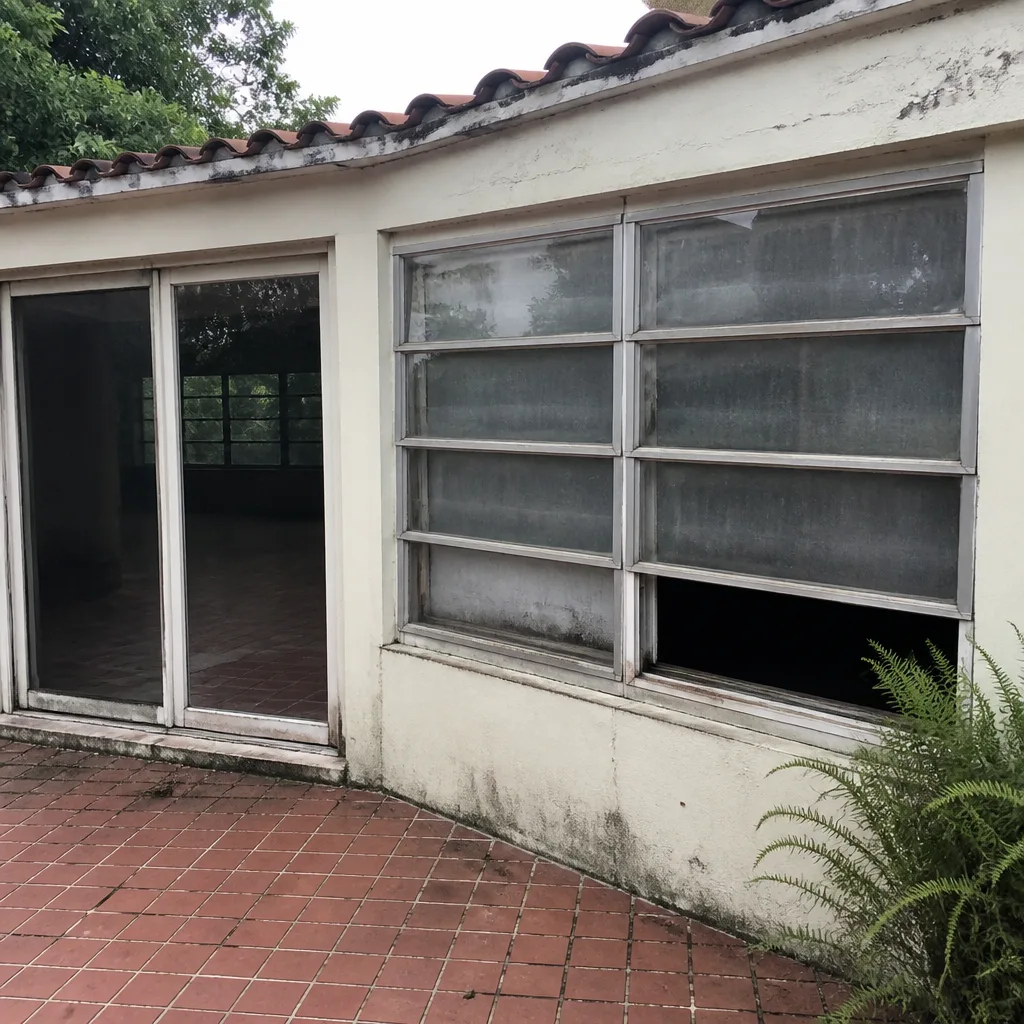 Before
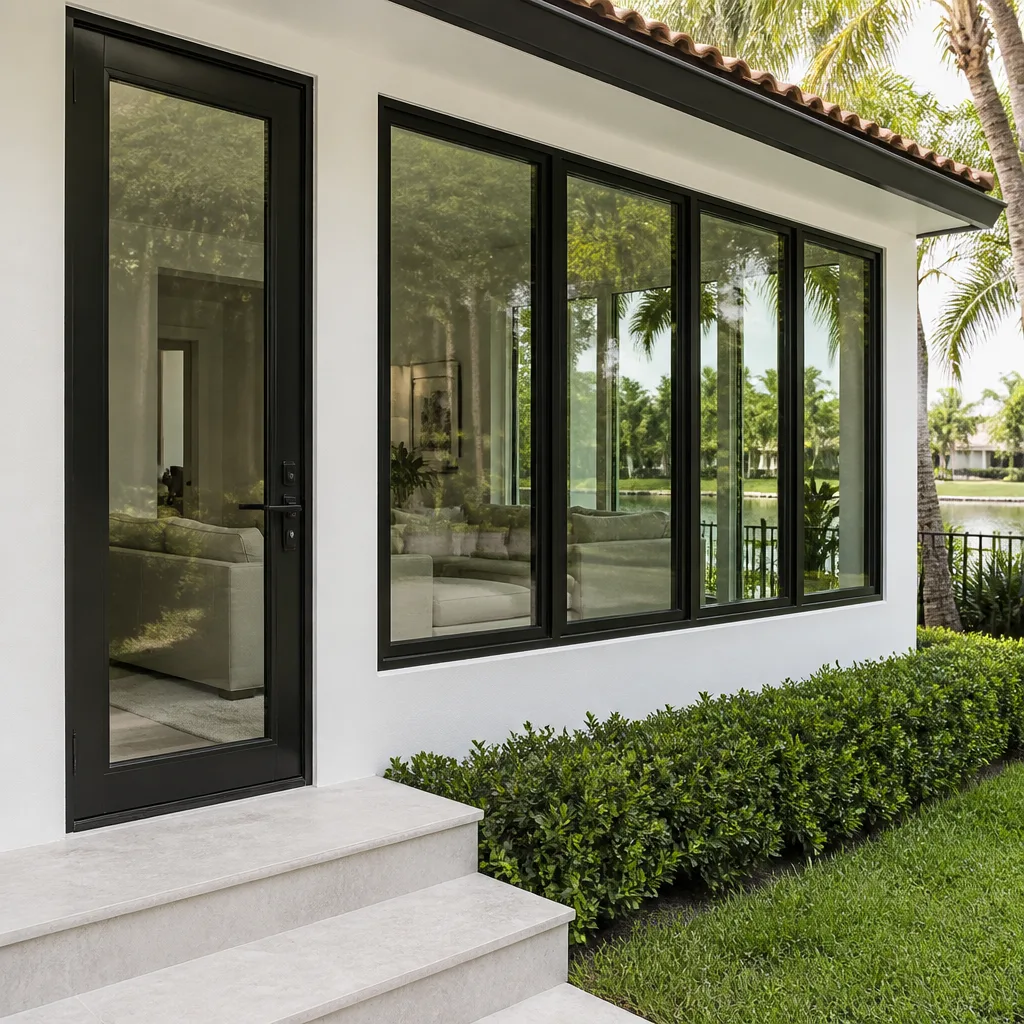 After
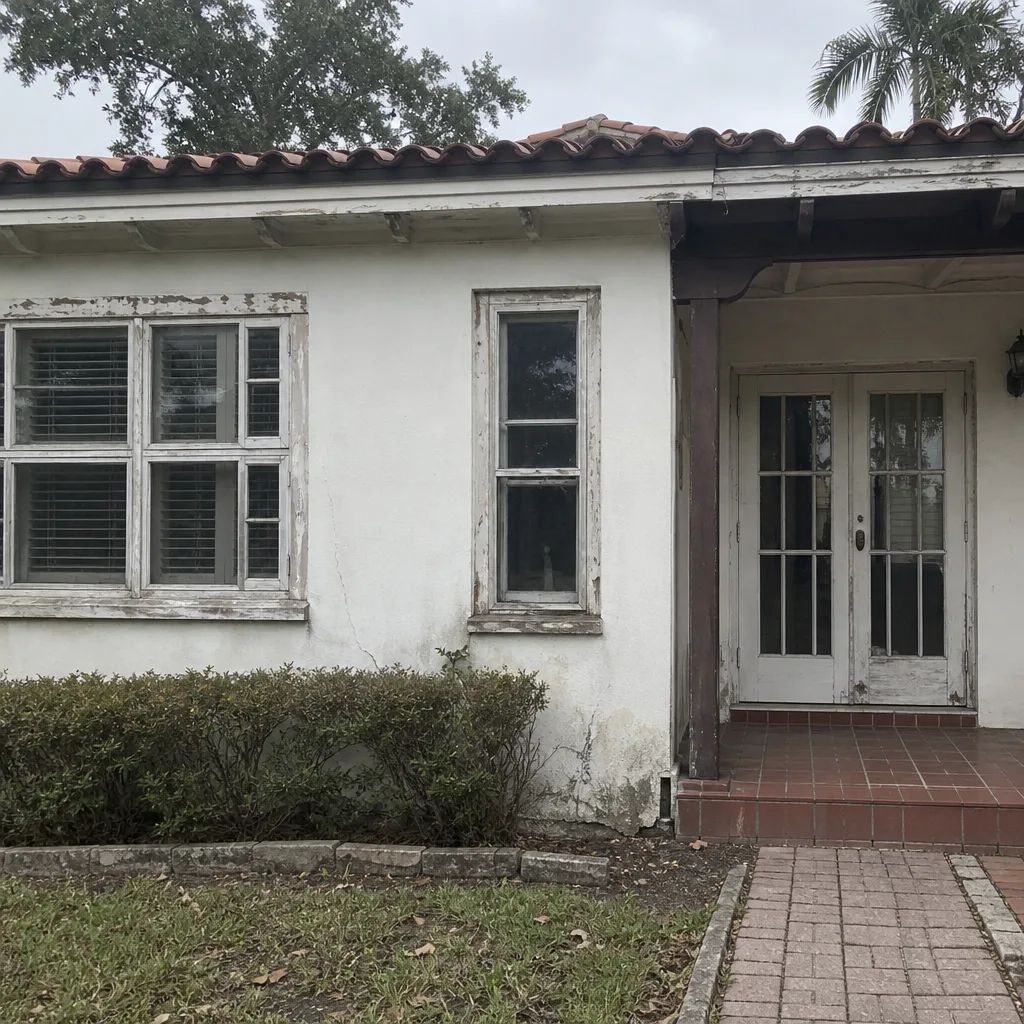 Before
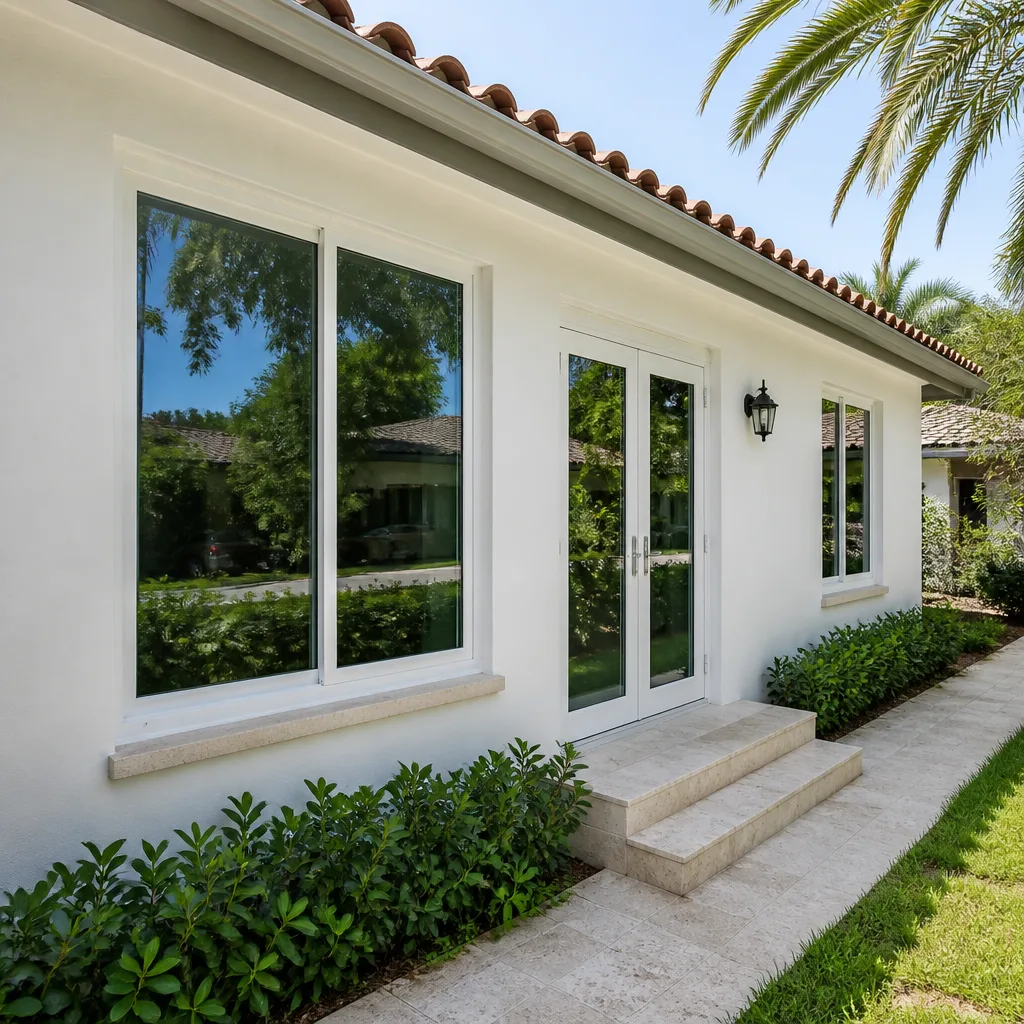 After
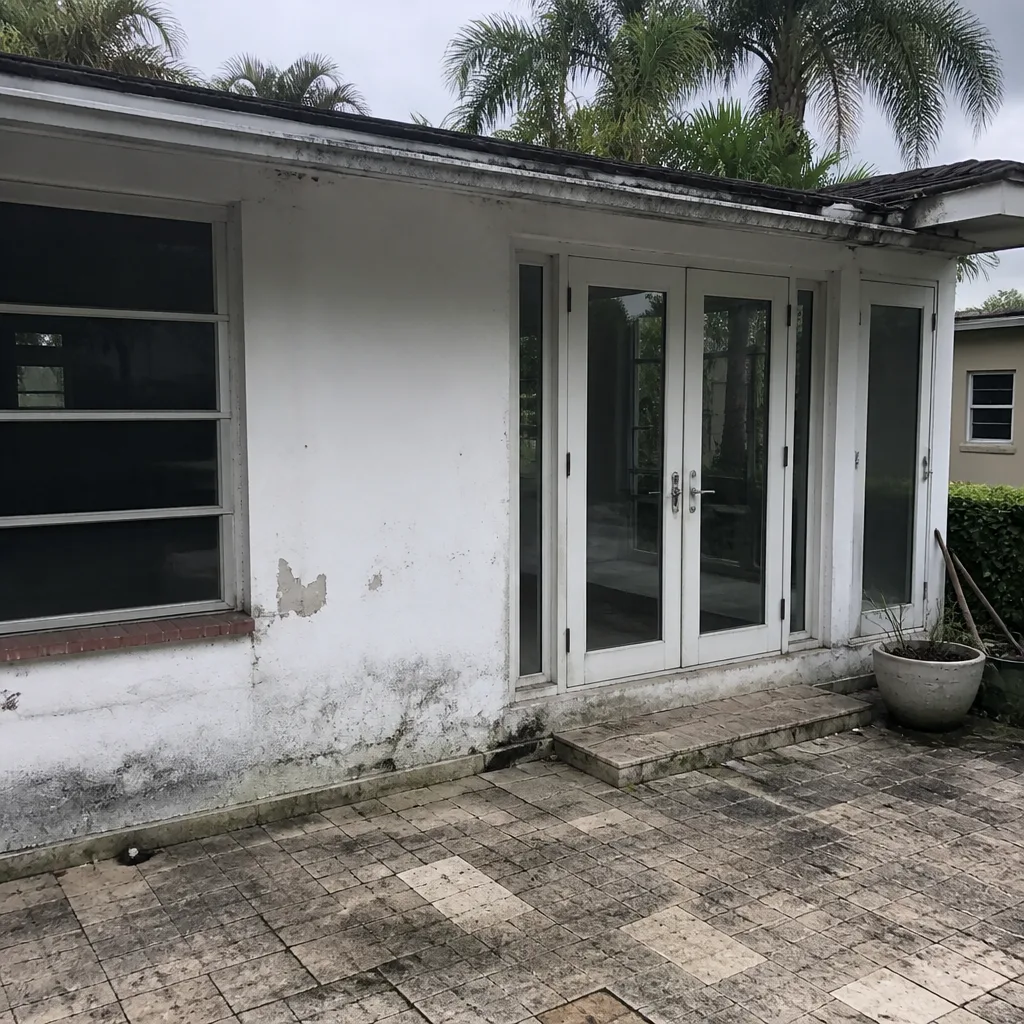 Before
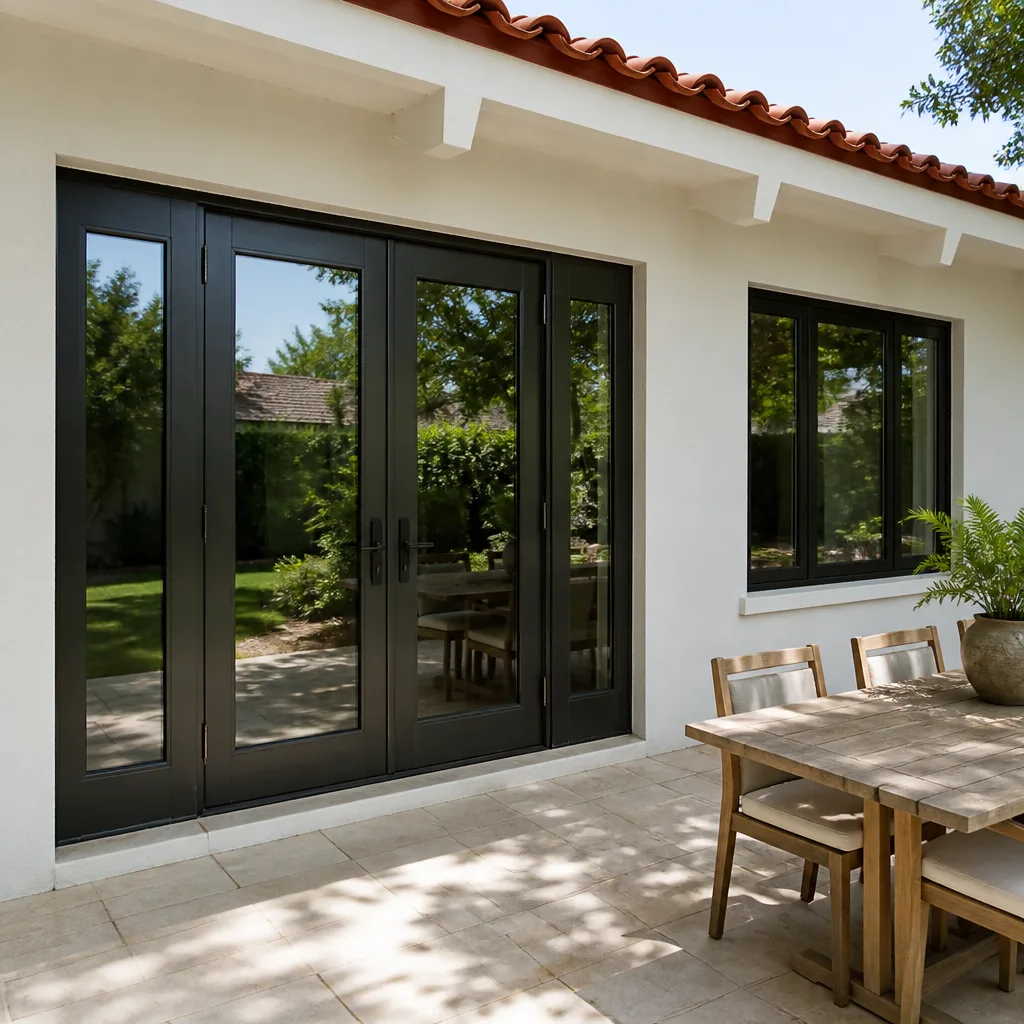 After
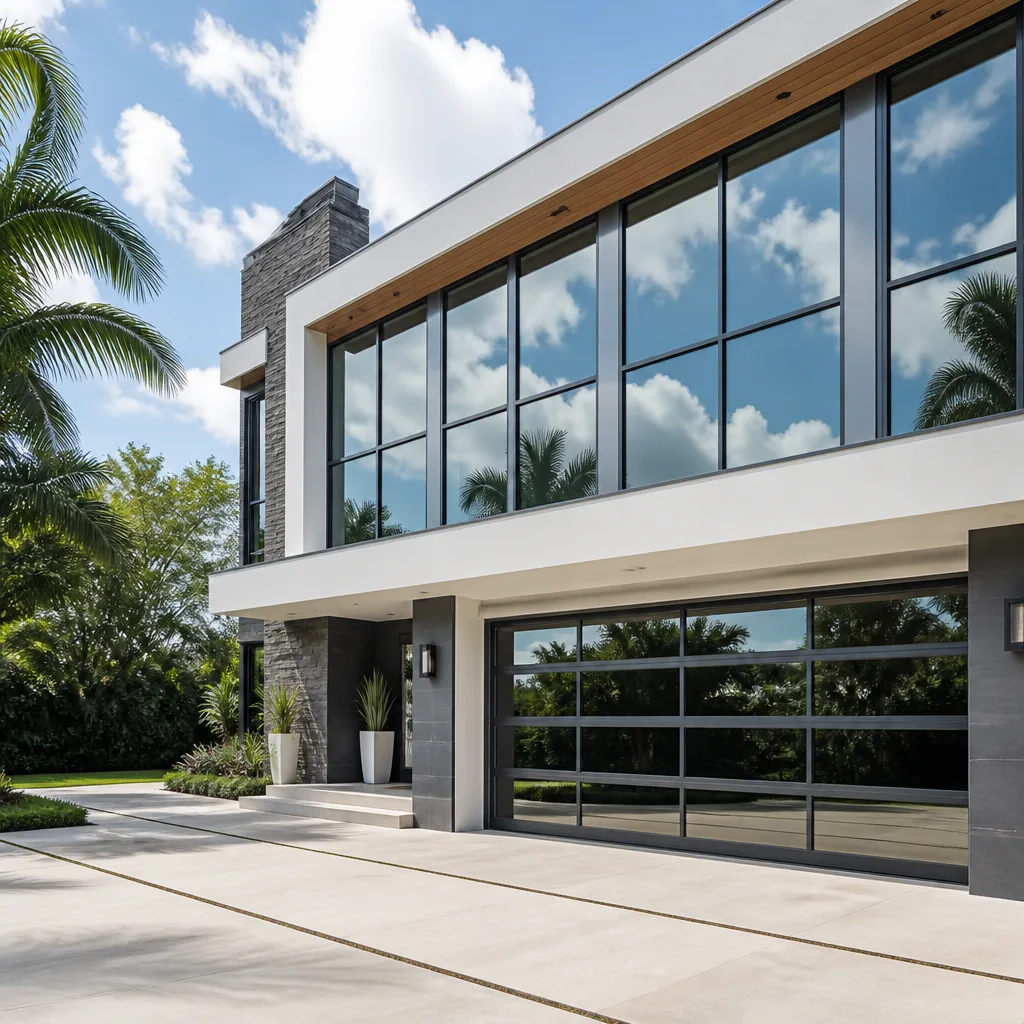
Fast, Reliable Impact Garage Doors Across Miami
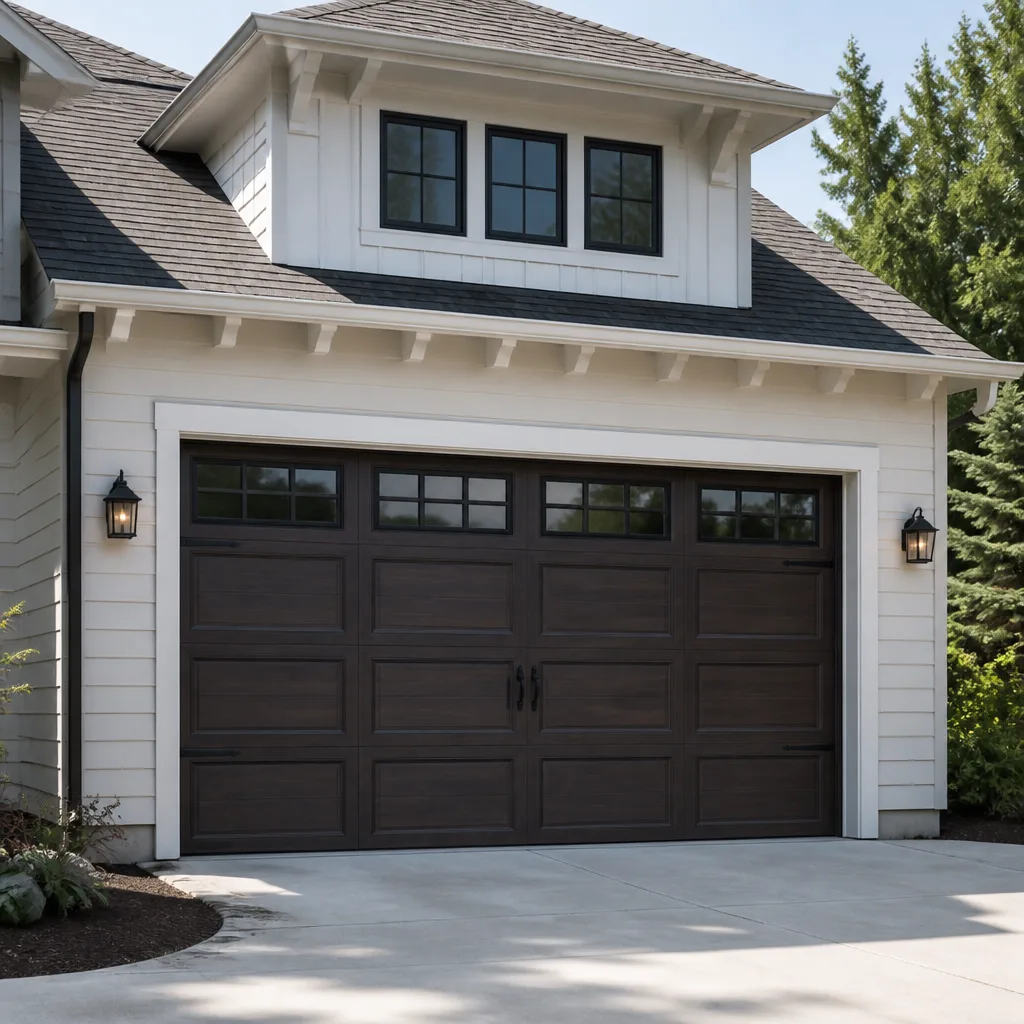
Impact garage door replacement in Miami runs $3,800 to $9,600 for a standard double-wide opening, and most jobs are completed in one day once your NOA-certified unit arrives. Miami-Dade County doesn’t allow shortcuts here: your door needs a Miami-Dade Notice of Acceptance (NOA), not just a Florida Product Approval. If you’re staring at a corroded track or a door that failed a wind mitigation inspection, call (727) 483-7883 for a free in-home measure and written quote. We’re Winslow Windows & Doors, and Ed Winslow’s name is on every Miami Roof Repair and door job we do in Miami.
Key Takeaways:
- Miami-Dade requires a county-specific NOA on every impact garage door – many doors sold elsewhere in Florida won’t pass local inspection.
- Typical Miami replacement costs run $3,800-$9,600 depending on wind load, opening size, and existing framing condition.
- Older CBS homes in neighborhoods like Shenandoah, Westchester, and Coral Way often need reframing before a new door can anchor properly.
- Ed Winslow personally stands behind the Done Right Promise – if it’s not done right, we make it right.
Why Winslow Windows & Doors Is Miami’s Preferred Impact Garage Doors Company
Ed Winslow founded this company in 2011, and Ed still answers the phone. That’s not a line; that’s how we work. When a Miami homeowner calls about a garage door that failed inspection or a track pulling away from the jamb, they talk to a person who knows Miami-Dade code, knows what the inspector will flag, and knows what it takes to fix it. We’re the Impact Garage Doors team that shows up when we say we will, in uniform, background-checked, with the NOA paperwork in hand.
We serve all of Miami, from Coconut Grove to Little Havana to Kendall. Our crews know the difference between a 1950s CBS jamb and a 1990s wood-framed rough opening, because we’ve cut into both a hundred times. That local experience matters when an inspector wants to see positive anchoring with through-bolts or epoxy-set anchors, not Tapcons into unreinforced block. We pull permits, schedule inspections, and stand there while the county signs off. Fixed pricing in writing before we start, no change orders unless you approve them first.
Our Impact Garage Doors Services in Miami
Hurricane-Rated Garage Doors
Every hurricane-rated garage door we install in Miami carries a Miami-Dade NOA specific to its configuration. That’s the document that proves the door and its anchoring survived large-missile impact testing and cyclic wind-load testing at design pressures matching your opening. A typical double-wide opening in a Miami home needs a design pressure of at least +/-45 PSF, and many doors advertised as “hurricane-rated” elsewhere in Florida aren’t approved for anything close. We spec the door to the opening, not the other way around.
Energy-Efficient Garage Doors
Miami garages bake. A west-facing garage door in Kendall or Doral can hit 120 degrees in July, and that heat bleeds into whatever room sits above or beside it. We install insulated impact garage doors with polyurethane cores and thermal breaks that cut that heat transfer enough to make a measurable difference on your cooling bill. The same doors carry wind-load ratings, so you’re not trading energy performance for storm protection; you’re getting both in one panel. Brands like Therma-Tru and Mr-Glass offer configurations we regularly order for Miami homes.
Garage Door Replacement
Replacement in Miami is rarely a simple swap. The original door on a 1970s CBS house was usually lag-bolted into untreated 2×4 jambs, with no code-compliant buck and no positive anchoring. Miami-Dade code doesn’t allow that anymore. We reframe the opening with pressure-treated bucks, set epoxy anchors into the surrounding block, and install a wind-load-rated door that carries the product approval the inspector will ask for before cleanup is even finished. If your current door predates 2002, plan on the opening needing real work, not just new tracks.

Wind-Load Code Compliance
This is where a lot of Miami garage door projects actually start: a homeowner gets a wind mitigation inspection, and the inspector flags the garage door as a non-compliant opening. That single line can cost you hundreds of dollars a year in insurance premium or block a sale entirely. We fix it. Door panels installed before 2002 usually lack the NOA label Miami-Dade now requires. Track brackets anchored into unreinforced block with Tapcons will shear out when hurricane winds rack the door. We bring the opening to code, document everything, and give you the paperwork your carrier and your inspector both want to see.

What happens when you call
- 1
A real person answersNo phone trees - you reach a local pro.
- 2
You get an upfront price rangeHonest numbers before anyone is dispatched.
- 3
A background-checked tech heads outLicensed & insured, dispatched right away.
- 4
You approve before work beginsNothing starts until you say go.
Trusted Brands We Service in Miami
We’re an authorized installer for eight premium brands, and for Miami garage doors we lean on the ones that consistently pass Miami-Dade NOA review: PGT, Therma-Tru, and Mr-Glass among them. We stock common replacement hardware and track components locally for Miami customers, so a bent roller or a failed bracket doesn’t leave your door hanging for a week while parts ship from a warehouse in another state. If your opening needs a custom size, we order it same week and keep you posted while your unit is fabricated. Custom NOA-certified fabrication typically runs four to six weeks from order to install.
Common Impact Garage Doors Problems We See in Miami Homes
- Salt-air corrosion on frames and hardware. Miami’s spot between Biscayne Bay and the Atlantic means salt-laden air works on standard aluminum extrusions year-round. We regularly see anodized frames on impact doors corroding within three to five years, causing roller bind, sag, and eventually a failed large-missile rating on a door that was fine when it went in.
- Track brackets pulling out of unreinforced CBS. Older Miami homes were built with concrete block walls and whoever hung the original garage door used Tapcons or wedge anchors straight into the block. When a hurricane racks the door, those fasteners shear out and the whole assembly can blow in, pressurizing the house and tearing off the roof from inside.
- Pre-2002 doors without a NOA label. A lot of Miami homeowners pass a four-point inspection only to have the garage door flagged as non-compliant during a wind mitigation audit, because the panel predates Miami-Dade’s current NOA requirement. It doesn’t matter that the door has survived three hurricanes; the county wants the approval, and your insurance carrier wants it too.
- Jalousie-era openings with undersized jambs. Miami’s 1950s through 1980s housing stock often pairs a steel-track garage door with a 2×4 jamb that was never meant to carry wind load. By now the wood is usually soft from humidity, the door sags, and the panel is visibly twisted. Reframing to code-compliant dimensions is the only fix that holds.
Pricing for Impact Garage Doors in Miami, FL
A standard double-wide impact garage door replacement in Miami runs $3,800 to $6,500 installed, including the NOA-certified panel, new track, springs, and code-compliant anchoring. Larger openings, laminated glass top panels, or custom finishes push that to $7,500-$9,600. If your existing framing is compromised – and on pre-1990 CBS homes it usually is – add $800 to $1,500 for reframing with pressure-treated bucks and epoxy-set anchors. We write it all down before we start, every allowance spelled out. Call (727) 483-7883 for an exact quote; the in-home measure is free.
What Impact Garage Doors Costs in Miami
To put the garage door number in context, impact windows in Miami generally run $800 to $1,500 per window installed, with single-hung units landing between $900 and $1,800. Large or custom openings go $2,500 to $5,000 each. Whole-home packages, meaning every opening replaced at once, typically span $8,000 to $25,000 and up depending on count, floor height, and whether you’re in a high-rise coastal zone or a single-story inland home. What moves the price in Miami specifically: wind zone (coastal openings need higher design pressures than inland), floor height (upper floors see higher wind speeds), frame material (marine-grade or vinyl-clad costs more than standard aluminum), and the condition of your existing framing, which we assess as part of Miami Shingle, Tile & Metal Roofing and window projects alike. We’ll measure every opening and hand you a written, line-item quote. No allowances hidden in the fine print.
One comparison worth knowing: impact windows beat hurricane shutters for most Miami homeowners because the protection is permanent. No panels to pull out of a garage and hang at 11 p.m. when a storm shifts toward you. No storage. No forgetting one window. You pay once, and the house is protected every hour of every day – not just when you have time to prep.
Florida Pays You Back
Miami homeowners can stack several programs to cut the real cost of impact upgrades. The My Safe Florida Home program offers matching grants up to $10,000 for qualifying wind-mitigation improvements, including impact-rated garage doors and windows, when funds are available. Florida exempts impact-resistant windows and doors from sales tax. The federal 25C energy credit covers 30% of product cost up to $600 per year on qualifying energy-efficient units. And most carriers in Miami-Dade credit windstorm premiums after a wind mitigation inspection – the inspection itself runs $75 to $150, and the premium reduction on the windstorm portion averages around 25%. Those numbers vary by carrier and program year. We’ll hand you the documentation you need to pursue them; the final numbers come from the state, the IRS, and your insurer.
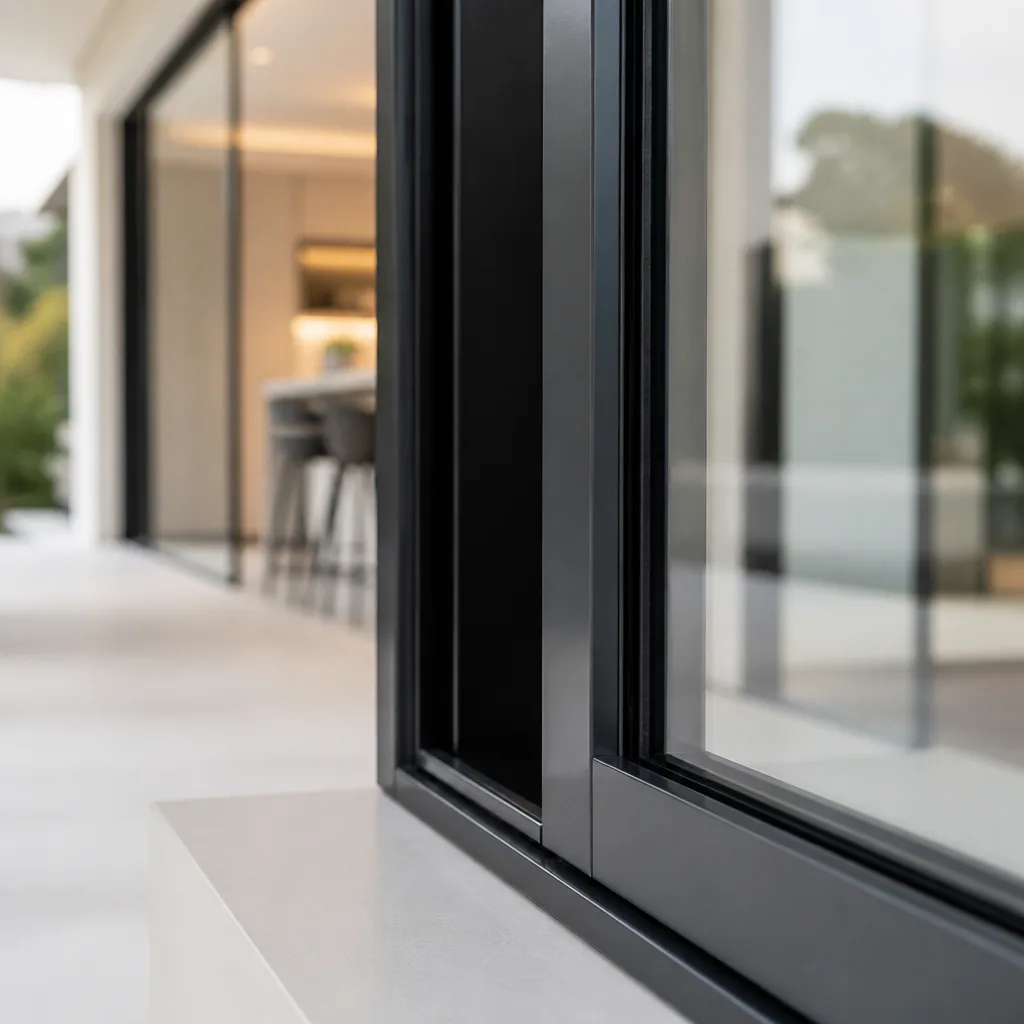
Ratings matter in Miami, and we don’t oversell them. Every door we install carries a Miami-Dade NOA or Florida Product Approval number specific to its configuration, matched to the design pressure of your opening. We never quote a generic “+/-50 PSF” door for an opening that actually needs +45/-55 after accounting for exposure. HVHZ compliance isn’t a sticker; it’s math. And we do the math before we order anything.
What Opening Up an Older Miami Home Actually Turns Up
Replace a garage door on a 1950s through 1980s Miami house and you’re not just swapping panels. You’re exposing what the original builder did with the opening, and in Miami that’s often not pretty. Undersized jambs. Untreated lumber that’s been soaking in humidity for fifty years. Wiring run through the track path. Block that wasn’t grouted solid where the new anchors need to go. We handle it the same way Ed Winslow has since 2011: inspection first, allowances written into the contract, and any surprise priced and approved in writing before we touch it. When the permit triggers a code upgrade – and it usually does once the county sees the opening – you’ll know the cost and the scope before the first cut, not after the drywall dust settles.
On a 1970s CBS home in the Shenandoah neighborhood, our crew found the original steel-track garage door lag-bolted into untreated 2×4 jambs with no code-compliant buck, no positive anchoring, and a panel with a visible twist from years of salt-air corrosion. We pulled the whole assembly, reframed the opening with pressure-treated bucks and epoxy-set anchors, then installed a PGT 9000 Series wind-load-rated door with a laminated glass top panel that carried the Florida Product Approval number the inspector asked for before we finished cleanup. That’s the difference between a door that looks fine from the street and a door that actually passes in Miami-Dade County, and it’s the same standard we bring to our Roof Replacement & Installation in Miami.
Why Miami-Dade Code Changes Which Door You Can Even Buy
Miami-Dade County sits inside Florida’s High Velocity Hurricane Zone, and the county enforces its own product approval system: the Notice of Acceptance, or NOA. A garage door with a Florida Product Approval that isn’t accompanied by a Miami-Dade NOA for its specific configuration will fail inspection in this county. Period. Many doors sold at big-box stores and online retailers as “hurricane-rated” carry a Florida Product Approval but no Miami-Dade NOA. They’re legal in Jacksonville. They’re legal in Tampa. They will not pass in Miami. This single requirement disqualifies a large share of the impact garage doors marketed to Florida homeowners, and it’s why we only order units with the NOA documentation in hand before the door ships. The insurance market here makes this a financial decision as much as a safety one: Miami-Dade carriers routinely offer premium reductions of 30% to 45% for verified opening protection, which means the door can pay for itself inside a few years on insurance savings alone. No other county in the country works this way.
You should also know how the anchoring standards change here. Miami-Dade product approvals are typically issued for installation into “minimum substrate” conditions, which for garage door tracks and jambs usually means pressure-treated wood bucks sized to a specific profile, with fasteners specified by type, diameter, embedment, and spacing. Installing the same approved door into an unreinforced CBS opening with Tapcons voids the approval. The door is no longer compliant, even if the sticker is still on the panel. We see this on a regular basis: a homeowner paid for an impact door years ago, the wind mitigation inspector checks the anchoring, and the whole opening gets flagged. If the fasteners aren’t through-bolted or epoxy-set into solid substrate per the NOA’s installation instructions, the county treats it as an unprotected opening. That’s why our crews won’t shoot a single fastener until we’ve confirmed the substrate matches what the approval requires.
We Also Serve Cities Near Miami
Our Miami crews cover the surrounding communities daily, including Miami Beach, Hialeah, Miami Gardens, and North Miami Beach. If you’re in one of those cities and need an impact garage door that’ll pass a Miami impact inspection in this market, the process is the same: call, we measure, you get a written quote. Same Ed Winslow behind it, same impact garage door standard on the install.
Serving Miami, FL - Our Local Coverage Area
We’re based in the Miami area and know this community well. Use the map below to see our service coverage - if you’re nearby, we can almost certainly help.
FAQs - Impact Garage Doors in Miami
Yes, you need a Miami-Dade NOA specifically. Miami-Dade County rejects Florida Product Approvals for impact garage doors; the county requires its own Notice of Acceptance for the exact door configuration being installed. A door with only a Florida Product Approval will fail local inspection. Call (727) 483-7883 and we’ll verify your opening’s requirements before you spend a dollar.
It often does materially. Miami-Dade carriers generally discount windstorm premiums substantially for verified opening protection, with reductions frequently landing between 30% and 45% on the windstorm portion after a wind mitigation inspection documents the upgrade. The inspection costs $75 to $150. We’ll hand you the installation documentation your carrier wants; your agent sets the final credit.
The most common finding is a non-compliant opening: original 2×4 jambs lag-bolted into unreinforced block with no pressure-treated buck and no through-bolts or epoxy-set anchors. Miami-Dade anchoring standards won’t accept that. We reframe with pressure-treated lumber, set anchors into the block per the NOA’s installation instructions, and write the scope and price before work begins.
Because Miami-Dade’s NOA requirements mean installers can’t pull any approved door off a shelf; the panel and anchoring configuration have to match the approval. Shops that don’t pre-order NOA-certified units by March run out of approved stock by the time the first named storm forms, and their lead times stretch to months. We keep our order pipeline filled through the spring so a June call doesn’t mean an October install.
Because pre-2002 Miami garage doors almost always lack the NOA label the county and your insurer now require, and a wind mitigation inspector will flag the opening as non-compliant. That single flag can cost you hundreds annually in premium or stall a home sale. Replacing it on your schedule costs the same as replacing it on the inspector’s schedule, but you control the timing and the contractor. Call (727) 483-7883 for a free in-home measure and a written quote.
Written by Ed Winslow, Owner at Winslow Windows & Doors, serving Miami.
Ready to get your Miami garage door to code? Call (727) 483-7883 today for a free estimate. A live person answers, 24/7. Upfront pricing, written in ink, Ed’s name on the door and on every job we do.
Six Reasons Homeowners Choose Winslow Windows & Doors
Impact systems engineered to design pressures up to +/-100, matched to your wind zone - your openings hold when the storm arrives.
Low-E insulated impact glass from our manufacturer lines commonly cuts monthly cooling bills 20-30%.
Laminated impact glass shuts out up to 40% of outside noise - traffic, neighbors, weather.
Monitoring services run $30-90 a month. Laminated impact glass resists forced entry around the clock, with no subscription.
Florida homeowners average around 25% savings on the windstorm portion of their policy after protecting every opening - some homes qualify for more.
A full impact package upgrades curb appeal, buyer confidence and appraised value in one project.