
Last updated August 27, 2026
Free in-home measure and quote - PGT, CGI and CWS impact lines compared on your actual openings, style by style
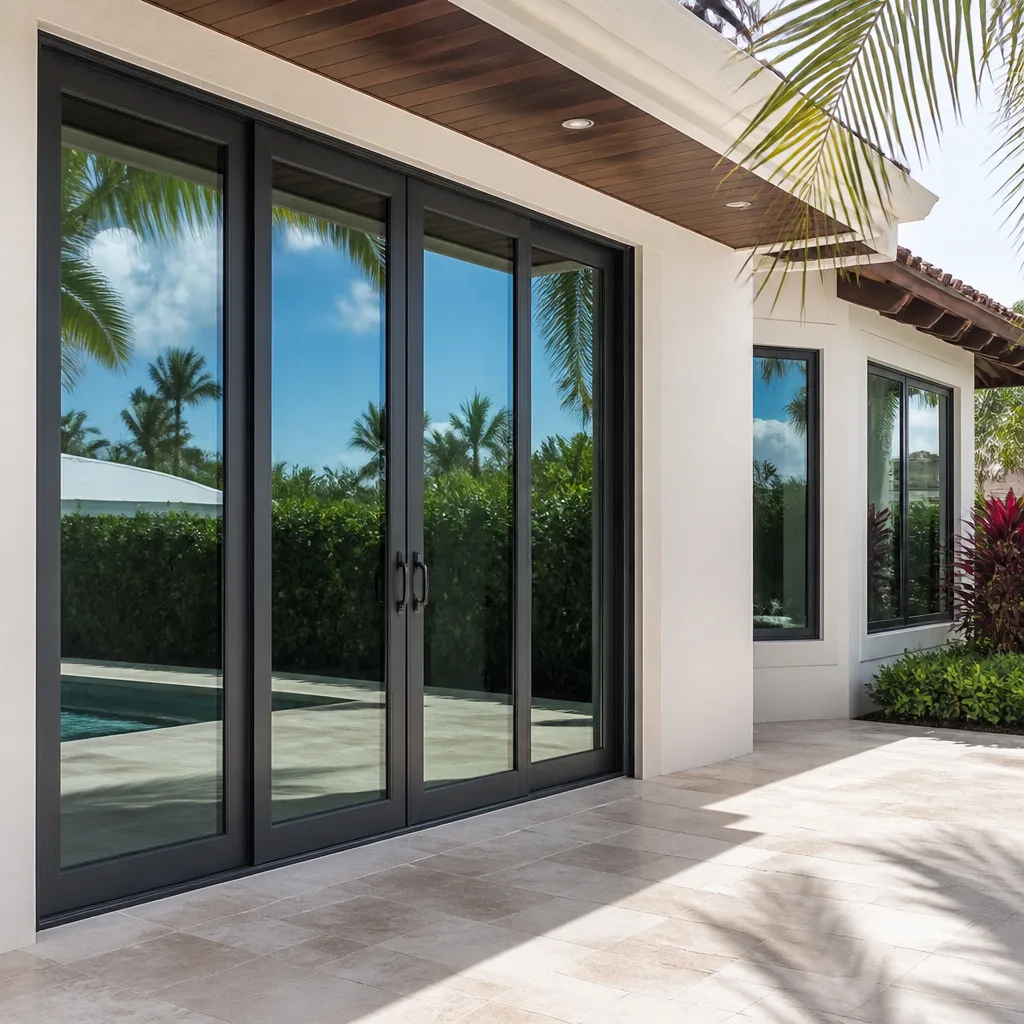
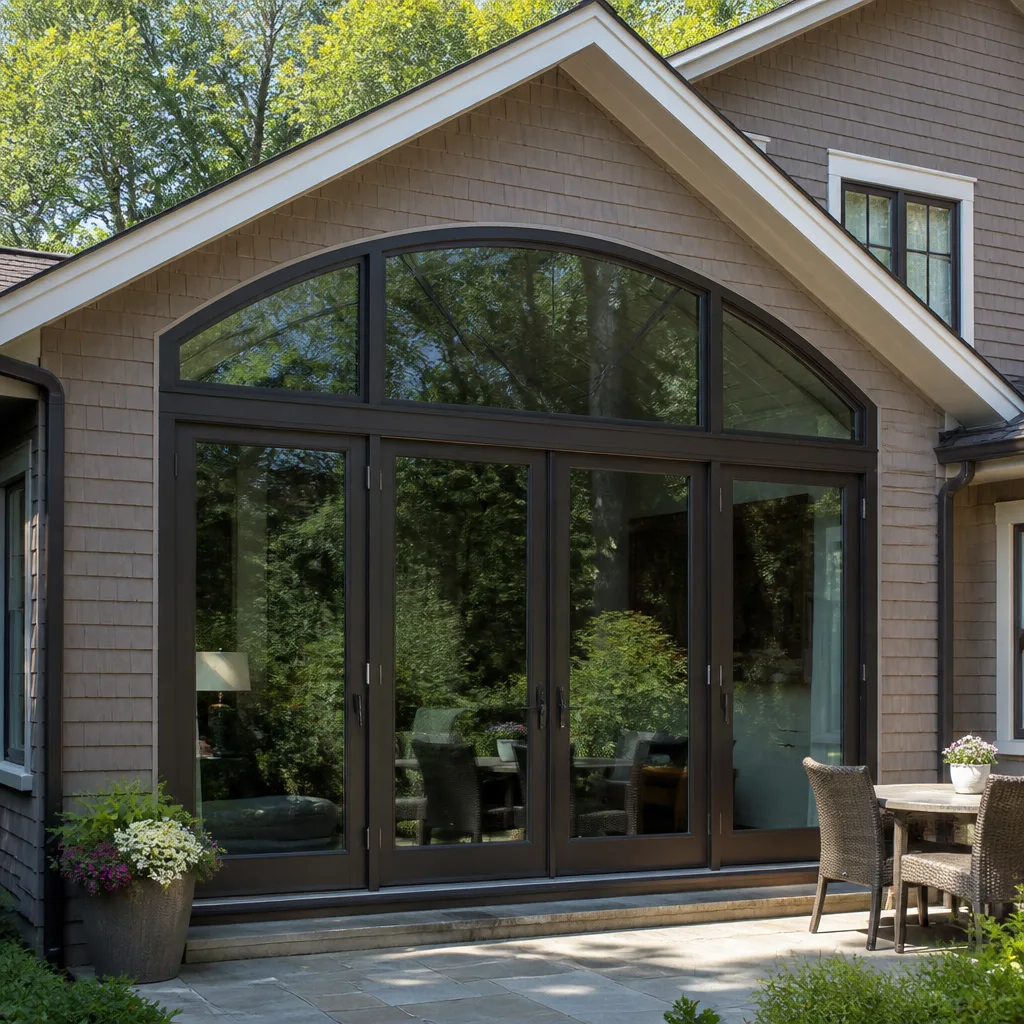
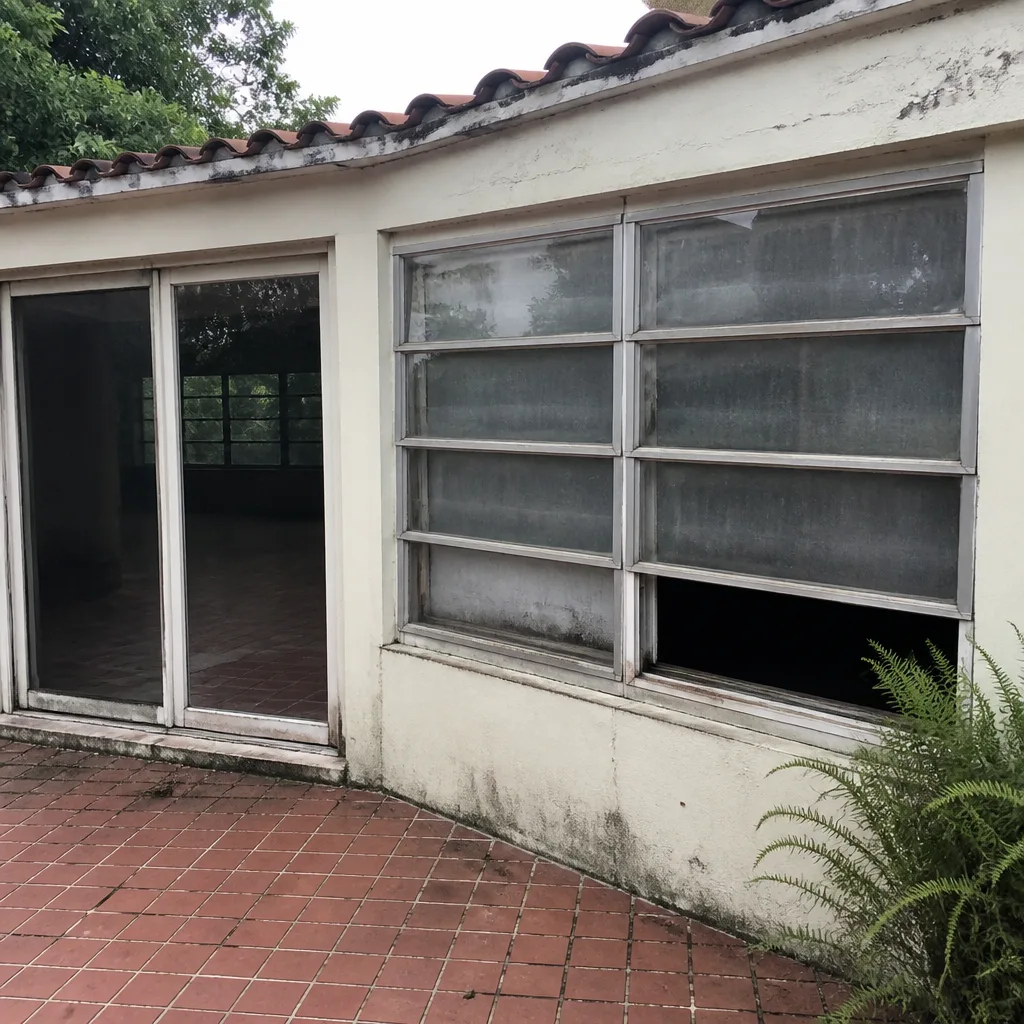 Before
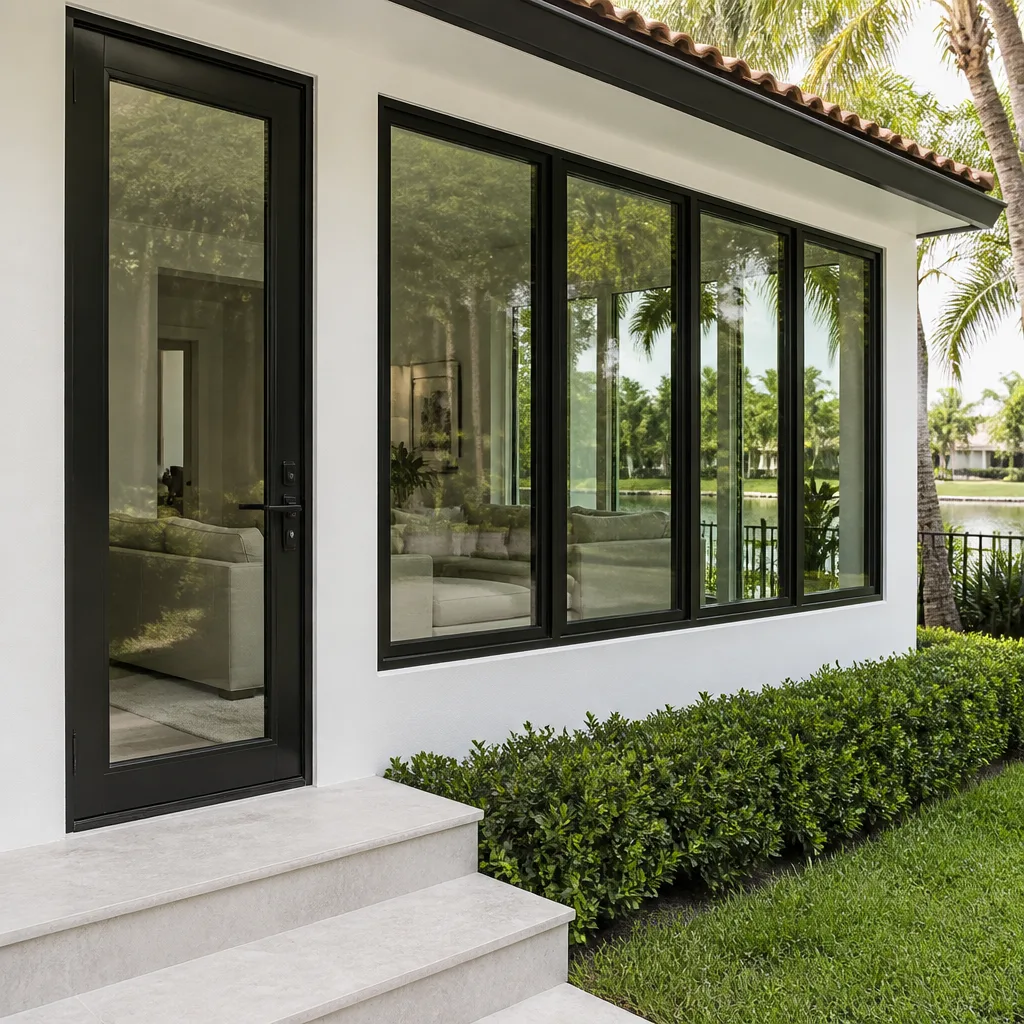 After
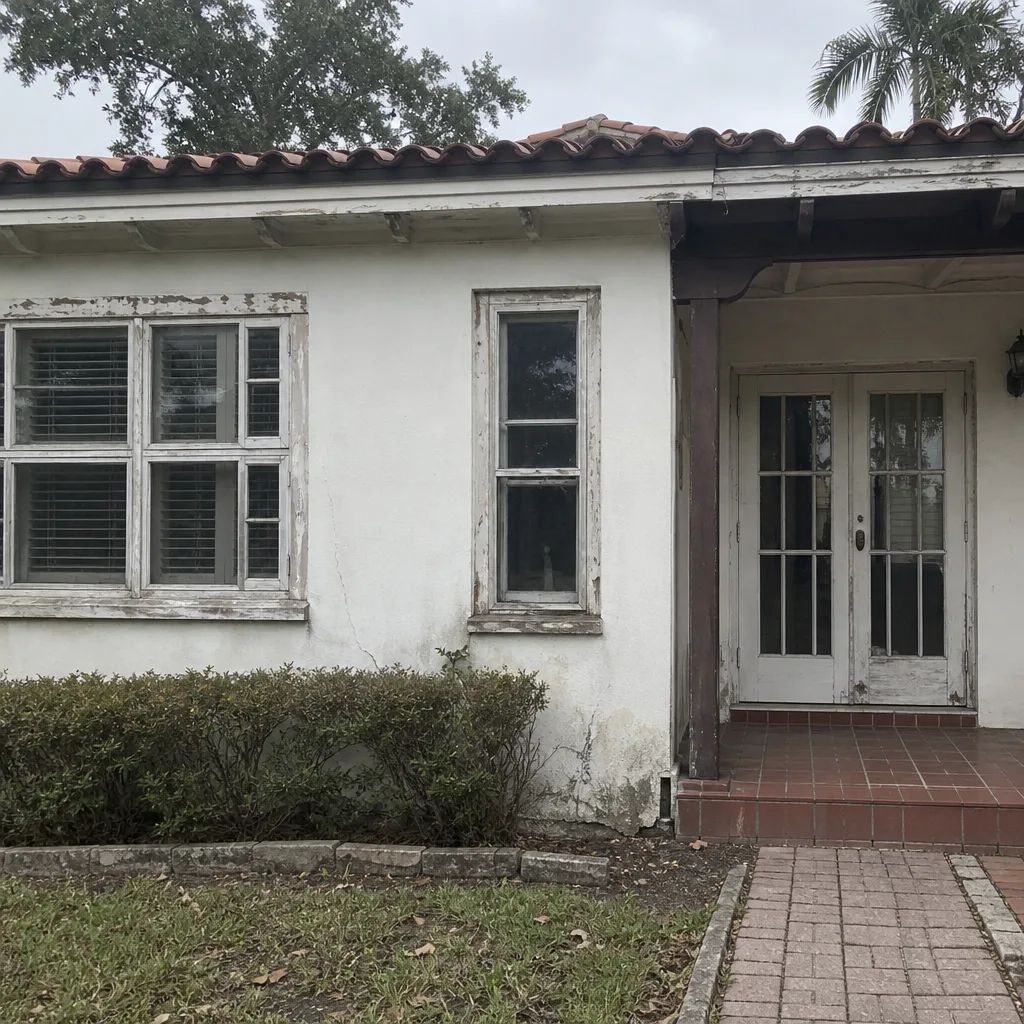 Before
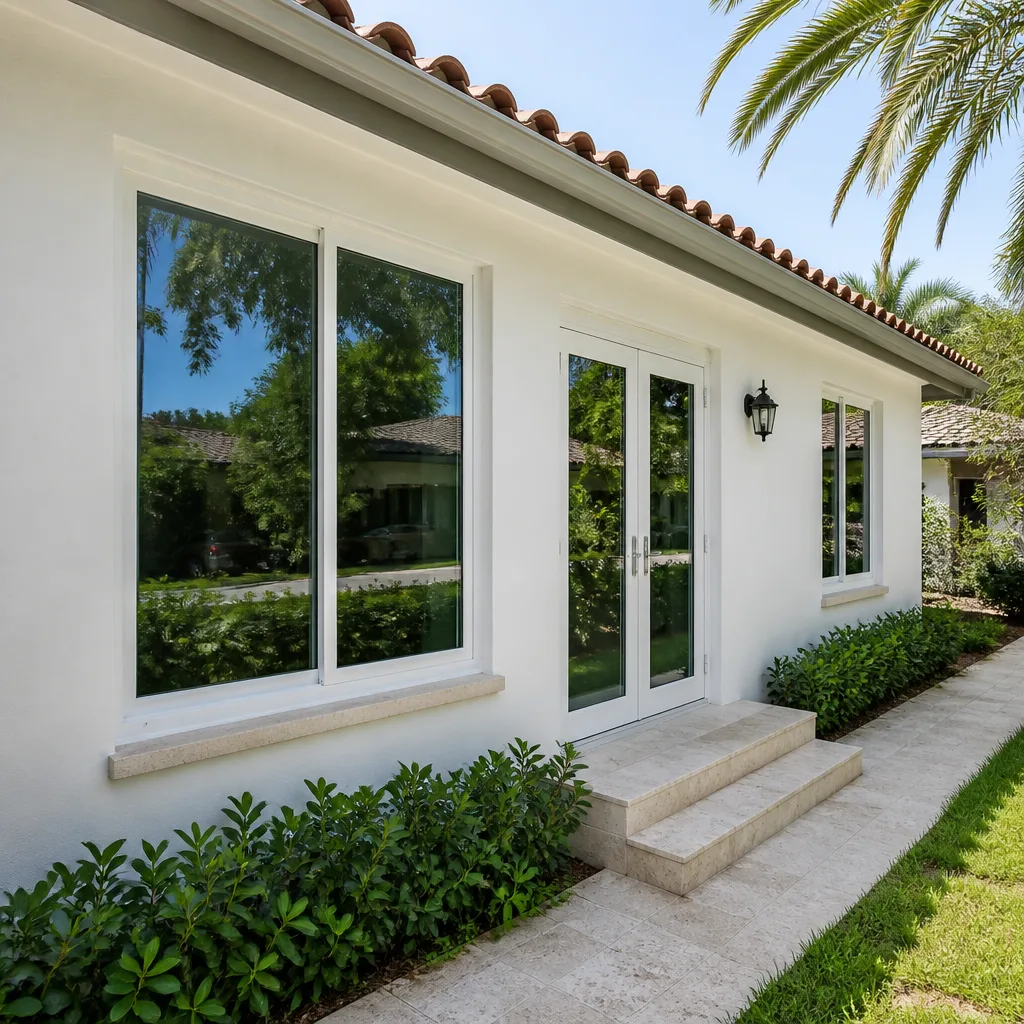 After
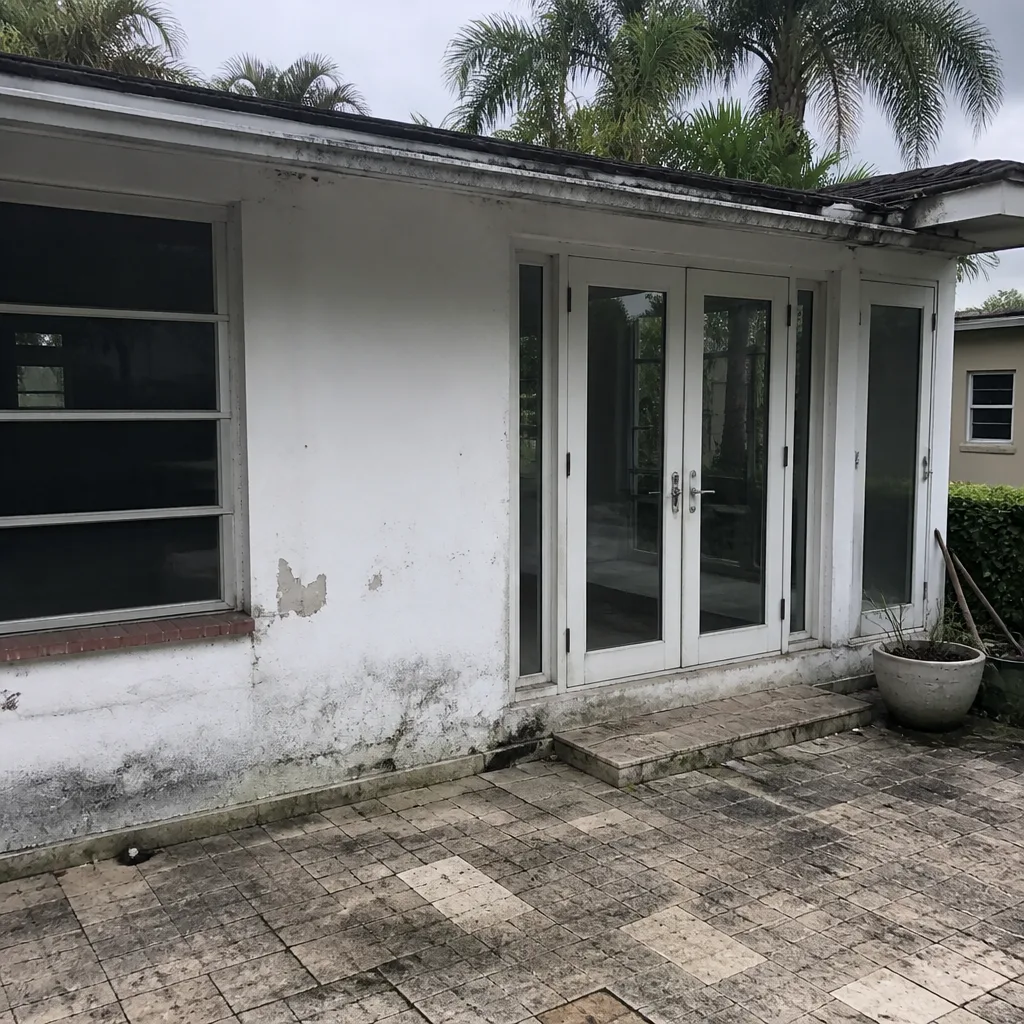 Before
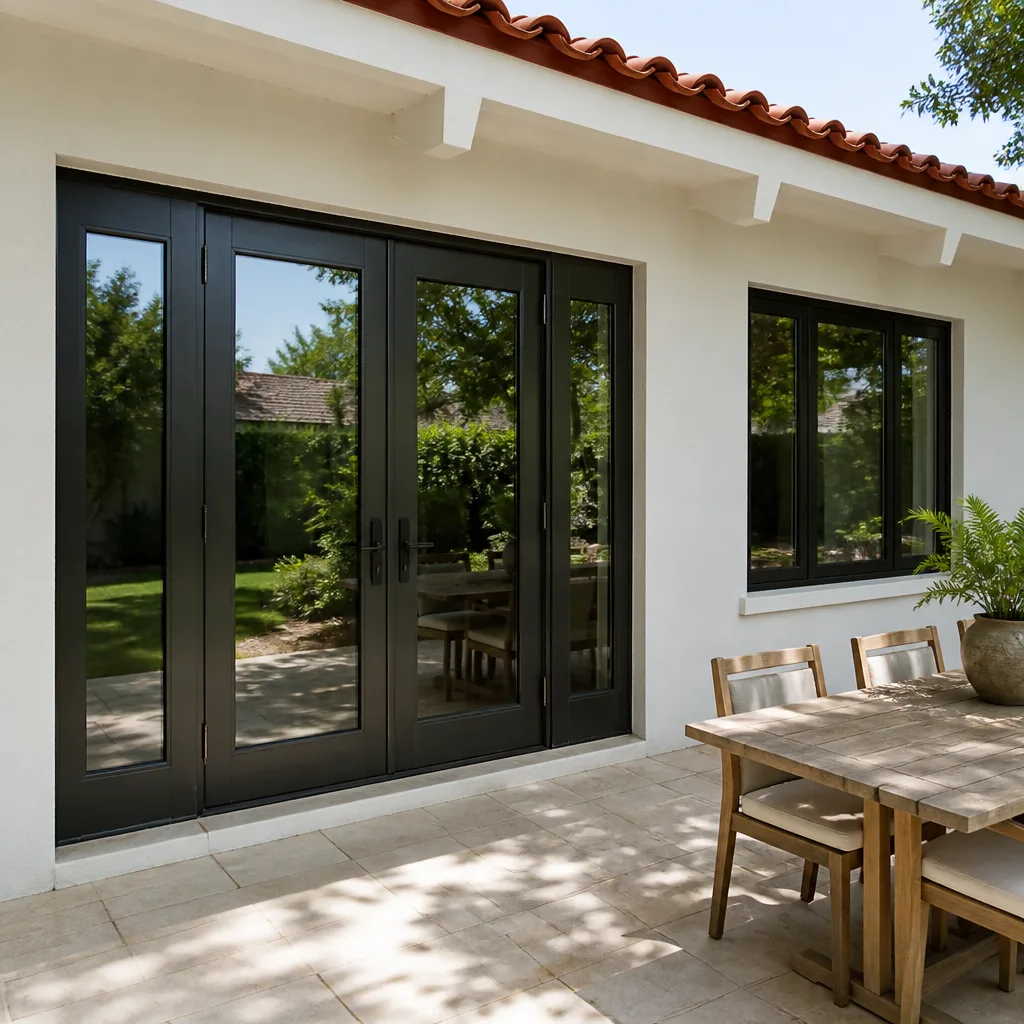 After
Impact Windows Maintenance Checklist for Miami Shores Homeowners
A corroded weep hole, something you can clear with a toothpick in 30 seconds, is the single most common reason impact windows leak during heavy rain in Miami Shores. Yet it appears on almost no manufacturer’s homeowner sheet. Most homeowners treat impact windows as set-and-forget protection. Here’s what actually happens: five specific maintenance gaps, all worsened by Biscayne Bay’s salt air and our summer rain volume, quietly void warranties and degrade performance years before any storm arrives. This checklist is built around what genuinely fails in Miami Shores, not generic coastal advice that might as well have been written for a beach house in Delaware.
Quick Answer
Impact window maintenance in Miami Shores comes down to five recurring tasks: monthly weep-hole and drain-track cleaning, quarterly hardware lubrication with salt-air-safe products, twice-yearly sealant and glazing tape inspection, a 24-hour post-storm inspection protocol after any named storm, and knowing which DIY tasks preserve your warranty versus which ones void it on the spot. Most of this costs under $40 in materials and takes under an hour per window per year.
Table of Contents
- Why Miami Shores Is Different From Every Other Coastal Market
- Monthly Weep-Hole and Drain-Track Cleaning: The 30-Second Task That Prevents Leaks
- Quarterly Hardware Lubrication: Protecting Multi-Point Locks From Salt Air
- Sealant and Glazing Tape Inspection: The Year-Three Failure Nobody Watches For
- The Post-Storm 24-Hour Inspection Protocol
- Warranty-Preserving vs. Warranty-Voiding Tasks: Know the Difference
- Energy Efficiency and Glass Care: Cleaning Without Damaging the Coating
- Common Mistakes to Avoid
- When to Call a Professional
- Frequently Asked Questions
- The Bottom Line
Why Miami Shores Is Different From Every Other Coastal Market
We’ve installed and serviced impact windows across Miami Shores since 2011, and the failure patterns here don’t match what manufacturers’ national maintenance guides describe. Three local conditions drive everything.
First, Biscayne Bay sits less than two miles east of most homes in Miami Shores. The prevailing southeast breeze carries salt particulate that settles into window tracks, weep holes, and lock mechanisms. In our experience, hardware that would last five years in a dry climate starts showing corrosion at year two here if it’s not lubricated.
Second, Miami Shores gets roughly 60 inches of rain annually, with most of it falling in intense afternoon squalls between May and October. When a window’s weep system is partially blocked, a one-hour storm can deliver enough water into the track to overflow the interior dam. We see this most often on homes along NE 96th Street and the streets running east toward the Bay, where rain tends to hit windows at an angle.
Third, the Miami-Dade County building code requires impact-rated products, but the code says nothing about maintenance. That gap between install-day performance and year-seven performance is where warranties die. A PGT or CGI window installed correctly will handle a Category 4. The same window with clogged weeps and dry-rotted perimeter sealant will leak in an ordinary July thunderstorm.
If you’re researching impact windows in Miami Shores for the first time, understanding these maintenance realities before you buy will save you money on whichever product you choose.
Monthly Weep-Hole and Drain-Track Cleaning: The 30-Second Task That Prevents Leaks
Impact windows are designed to collect a small amount of water in the bottom track and drain it out through weep holes on the exterior side. In Miami Shores, those weep holes clog with a specific mixture: salt particulate, fine sand blown from construction sites and the Bay shoreline, and organic matter from our year-round growing season. When the weep holes clog, water has nowhere to go except over the interior dam and onto your sill or floor.
We’ve repaired window frames in Miami Shores where the homeowner was certain the glass had failed. The glass was fine. The weep holes were completely sealed by a plug of salt and sand no thicker than a pencil eraser.
Monthly Cleaning Routine (Takes About 30 Seconds Per Window)
- Open the window and look at the bottom track from the interior side. If you see standing water or a damp residue that hasn’t dried after 48 hours, the weeps are already compromised.
- Go outside and locate the weep holes on the bottom of the frame. Most impact windows have two or three visible slots or small rectangular openings.
- Use a toothpick, wooden skewer, or a small bottle brush to clear each hole. Avoid metal tools, which can scratch the frame finish and create a corrosion entry point in Miami Shores’ salt air.
- Pour a cup of clean water into the interior track and watch the exterior weep holes. Water should flow out within seconds. If it pools or trickles, clear the holes again.
- While you’re outside, brush any accumulated debris off the exterior track. Salt particulate doesn’t rinse away on its own; it needs mechanical removal.
During Miami Shores’ rainy season from June through October, do this twice a month. A single heavy afternoon storm can deposit enough salt and sand to block weeps that were clear two weeks earlier. During the dry season, monthly is sufficient.
Quarterly Hardware Lubrication: Protecting Multi-Point Locks From Salt Air
Multi-point locking hardware on impact doors and casement windows is precision machinery. In Miami Shores, the salt load in the air accelerates corrosion on exposed lock rods, keepers, and hinge pins. Once corrosion starts, you get stiff operation, then binding, then a lock that fails to fully engage. On an impact-rated assembly, a lock that doesn’t fully engage means the window or door is not doing its storm job.
The lubrication schedule we recommend is every three months. Not annually. Not “when it feels stiff.” Quarterly is the interval that matches the corrosion rate we’ve observed on homes throughout Miami Shores, from the older stock near NE 2nd Avenue to newer construction on the west side of Biscayne Boulevard.
Products That Won’t Damage PGT and CGI Finishes
- DuPont Teflon Silicone Lubricant (or any PTFE-based dry lubricant). This is our go-to for lock rods and keepers. It won’t attract sand the way a wet lubricant will, and it’s safe on powder-coated finishes.
- Super Lube Synthetic Grease with PTFE for hinge pins and operator gears. A thin film is all you need.
- B’laster Garage Door Lube is not appropriate for window hardware. Avoid anything labeled as a penetrating oil or rust penetrant for window and door hardware.
Never use WD-40 on impact window hardware. It’s a solvent that strips existing lubrication and leaves behind a residue that traps salt particulate. We’ve had to replace lock assemblies on PGT and CGI products in Miami Shores because repeated WD-40 use effectively sanded the internal mechanism.
Quarterly Lubrication Steps
- Wipe down all visible lock rods, keepers, and hinge pins with a dry microfiber cloth to remove salt film.
- Apply a thin coat of PTFE lubricant to lock rods and the points where rods enter keepers. One short spray per contact point is enough.
- Cycle the lock mechanism open and closed five to six times to work the lubricant into the slide channels.
- Apply a small dab of synthetic grease to hinge pins on casement windows and swinging patio doors.
- Wipe away any excess with a clean cloth. Excess lubricant attracts sand, which is worse than no lubricant in Miami Shores.
If you’ve purchased a home in Miami Shores and don’t know the maintenance history of your windows, a window installation professional can assess hardware condition and tell you whether lubrication will fix stiffness or whether the hardware needs replacement. Stiffness that persists after lubrication usually indicates internal corrosion, not a lubrication deficit.
Sealant and Glazing Tape Inspection: The Year-Three Failure Nobody Watches For
South Florida sun destroys most building materials on a predictable schedule. The perimeter sealant around impact window frames and the glazing tape between glass and frame both degrade under UV exposure, and the failure curve starts to bend sharply around year three post-installation. In Miami Shores, where our summer sun is as relentless as the salt air, we start seeing visible separation in glazing tape as early as 36 months on south-facing and west-facing elevations.
The failure looks like this: a faint white chalkiness appears on the sealant bead, then small hairline cracks form, then sections of sealant begin pulling away from the frame or the stucco. By year five without intervention, water is getting behind the frame, and nobody knows it until water stains appear on interior drywall after a storm.
Twice-Yearly Inspection (Do This in March and October)
- Walk the exterior perimeter of every window and door. Look specifically at the sealant joint where the frame meets the wall. Any crack wider than a fingernail thickness is a failure point.
- Press on the sealant with your thumb. Healthy sealant has a slight give but springs back. Cured-out sealant feels hard and crumbles under pressure.
- Inspect the glazing tape (the dark material visible between the glass and the frame on the exterior side). Look for sections that appear lifted, wrinkled, or pulled away from the glass.
- On south-facing and west-facing windows, use a flashlight at a low angle to spot hairline separations that are invisible straight-on. The low angle casts a shadow inside any gap.
- Note anything suspicious and have it addressed before hurricane season. Sealant failure does not heal itself, and Miami Shores does not have a forgiving climate.
We’ve replaced perimeter sealant on hundreds of Miami Shores homes where every other component of the window was perfectly functional. It’s a $200 to $500 repair per window depending on size and access. Left unaddressed, it becomes frame rot, stucco damage, and a full window replacement. If you’re not sure whether what you’re seeing is cosmetic or structural, see our Windows & Doors Cost Breakdown: The Miami Shores Homeowner’s Reference for 2026 or call us at (727) 483-7883 for a free estimate. We’re local to Miami Shores, and this exact inspection is something our team does weekly.
The Post-Storm 24-Hour Inspection Protocol
After any named storm passes within 50 miles of Miami Shores, run this protocol within 24 hours, even if every window looks fine from the inside. Debris strikes, pressure differentials, and wind-driven rain can compromise components without leaving any visible interior evidence.
The most common post-storm damage we find in Miami Shores is not shattered glass. It’s bent frame Mullions, loosened anchor screws, and glazing tape that has partially lifted along one edge. None of those show up from the living room.
Post-Storm Checklist (Interior and Exterior)
- Check every window’s operation. Open and close each operable sash or casement. Binding that wasn’t there before the storm indicates frame racking or debris lodged in the track.
- Inspect the glass surface with a flashlight at a low angle. You’re looking for small impact chips from flying debris, not dramatic cracks. A chip smaller than a dime can grow into a full failure under thermal stress.
- Run your hand along the interior perimeter where frame meets wall. Moisture, coolness, or a damp smell indicates water penetration during the storm.
- Examine the exterior sealant joints. Wind-driven rain at 100 mph can strip sealant from the frame. This is the single most common post-storm failure on otherwise intact windows.
- Test every multi-point lock. Locks that engaged smoothly before the storm should engage smoothly after. If one feels rough, look for sand and debris that has blown into the hardware.
- Photograph everything. If you’re filing an insurance claim, documentation within 24 hours strengthens your position. Include close-ups and wider context shots.
In our experience serving Miami Shores through storms from Irma to Ian, the homes that run this protocol catch small problems that cost a few hundred dollars to fix. The homes that skip it discover water damage at the next big rain, weeks later, when the repair is now a full window replacement in Miami Shores project.
Warranty-Preserving vs. Warranty-Voiding Tasks: Know the Difference
Most impact window warranties from PGT, CGI, ES Windows, and other manufacturers include language requiring the homeowner to perform “normal maintenance.” The problem is that “normal” is undefined, and some well-intentioned DIY actions can actually void coverage on the spot. This section is the one that saves Miami Shores homeowners real money.
Maintenance Tasks That Preserve Your Warranty
- Cleaning weep holes and drain tracks. This is explicitly expected maintenance, and evidence that you’ve done it (like a maintenance log with dates) helps if you ever file a claim.
- Lubricating hardware with approved products. PTFE-based and silicone lubricants are universally accepted by manufacturers.
- Cleaning glass with non-abrasive, ammonia-free cleaners. Standard glass cleaner without ammonia is safe on Low-E coatings.
- Inspecting and documenting sealant condition. Photographs with dates create a paper trail that warranty departments respect.
- Calling a licensed professional for repairs. Using a manufacturer-authorized installer for repairs preserves the warranty on related components.
Actions That Void Your Warranty Immediately
- Painting over weep holes. If paint seals the weep system, water damage is considered owner-caused. We’ve seen full warranty denials for this in Miami Shores.
- Using harsh solvents on frames or gaskets. Acetone, mineral spirits, and abrasive cleaners can degrade frame finishes and gasket materials. Warranty departments look for chemical damage.
- Drilling into the frame for any reason. Installing security sensors, blinds brackets, or anything else with screws into the frame voids structural warranty on that unit.
- Removing the glazing stops or attempting glass replacement yourself. Impact glass is a structural component. Only a licensed professional with manufacturer authorization should handle it.
- Adjusting or dismantling multi-point lock hardware. If the lock mechanism fails after you’ve taken it apart, the manufacturer will deny the claim. Submit a warranty request instead.
We’ve worked with Miami Shores homeowners who voided a $4,000 window warranty because they used a wire brush to clean the frame and scratched through the powder coat to bare aluminum. The frame was still functional. The warranty was gone. When in doubt, call a professional before you act. The free second opinion from Winslow Windows & Doors home team costs nothing and can save thousands.
Energy Efficiency and Glass Care: Cleaning Without Damaging the Coating
Impact windows in Miami Shores are almost always equipped with Low-E coatings, which are microscopic metallic layers applied to the glass surface. These coatings reflect infrared heat and are a major reason impact windows reduce cooling costs. They’re also the easiest component to damage during routine cleaning.
The two most common mistakes we see in Miami Shores: using ammonia-based glass cleaner, which degrades the coating over time, and using abrasive scrubbers on dried salt film, which scratches the glass surface. In a climate where salt film forms constantly, the temptation to scrub is understandable, but the damage is permanent.
Safe Glass Cleaning Routine
- Rinse the glass exterior with a garden hose on a gentle spray setting to remove loose salt and sand. Do this before any wiping.
- Use a clean microfiber cloth or soft sponge with plain water and a small amount of mild dish soap. No ammonia, no vinegar, no squeegee with a metal edge.
- Wipe in straight lines, not circles. Circular wiping spreads silicate particles, which micro-scratch the glass.
- Dry with a fresh microfiber towel. Don’t let the glass air-dry; Miami Shores’ water is hard, and the mineral residue is worse than the salt film you just removed.
- On the interior surface, use the same technique with an ammonia-free glass cleaner labeled safe for coated glass.
If your windows are original to a home built before 2000 and you’re researching replacement options, check out our guide to window installation in Miami Shores. Modern impact glass with Low-E from ECO Window Systems and Mr-Glass outperforms anything installed two decades ago, and the energy savings often offset the replacement cost within five to seven years in our climate.
Common Mistakes to Avoid
- Using WD-40 on window hardware. It strips lubricant, leaves solvent residue, and traps the salt particulate that’s already heavy in Miami Shores air. Use PTFE-based dry lubricant instead.
- Skipping weep-hole cleaning because you can’t see a problem from inside. By the time water breaches the interior dam, the weep system has been compromised for months. The damage is done; the repair is now expensive.
- Sealing over weep holes with caulk because you thought they were a manufacturer defect. Weep holes are intentional. Sealing them guarantees water penetration into the wall cavity, and it voids your warranty.
- Power-washing windows with high pressure. Miami Shores homes accumulate salt and grime quickly, but power washing drives water past the sealant into the frame. Low-pressure rinsing only.
- Assuming a window that survived a storm is fine. Hairline glazing tape separation and bent hardware are invisible from inside. Run the 24-hour post-storm protocol regardless of how well your home looks.
- Painting window frames without masking weep holes and gaskets. One careless paint job can seal the drainage system and ruin rubber gaskets. If you’re repainting your Miami Shores home, tape off every opening before you apply a single coat.
- Waiting until hurricane season to inspect. Sealant repairs and hardware replacements take time. A March inspection gives you three months before the first serious threat. An August inspection with a category-three forecast is already too late.
When to Call a Professional
Some maintenance tasks are genuinely DIY. Cleaning weep holes, lubricating hardware with the right products, and running visual inspections are all things a careful Miami Shores homeowner can handle. But certain signs mean it’s time to call someone who does this work daily.
Call a professional if you see water stains on interior drywall or window trim after rain. If a multi-point lock is stiff after lubrication, the mechanism likely has internal corrosion. If glazing tape is separating on more than one window, there may be a systemic installation issue. If you see visible frame separation, cracked sealant, or glass chips larger than a pencil point, these are structural concerns, not maintenance items. Winslow Windows & Doors offers free estimates in Miami Shores. Call (727) 483-7883, and a real person answers, no call center and no voicemail loop.
Frequently Asked Questions
For more on timing your upkeep, read our Seasonal Windows & Doors Care for Miami Shores: Year-Round Homeowner’s Guide. Weep-hole and drain-track cleaning should happen monthly during Miami Shores’ rainy season (May through October) and every other month during the dry season. Hardware lubrication is quarterly year-round. Sealant and glazing tape inspection is twice yearly, in March and October.
Clogged weep holes are the number-one cause of impact window leaks in Miami Shores. The combination of Biscayne Bay salt particulate and summer rain volume creates a salt-and-sand plug that blocks drainage within weeks. Clearing weep holes monthly prevents most leaks entirely.
No. Windex contains ammonia, which degrades Low-E coatings over time and will eventually compromise the energy performance of your impact windows. Use an ammonia-free glass cleaner or plain water with a small amount of mild dish soap.
Yes. High-pressure water drives salt water and debris past the perimeter sealant and into the frame cavity. It can also strip sealant from the frame on older installations. Use a garden hose with gentle pressure and a soft brush for exterior window cleaning.
Look for hairline cracks in the sealant bead where the frame meets the wall, sections of sealant that have pulled away from either surface, or water stains on interior drywall below the window after rain. Molded or crumbling sealant is also a sign of UV-driven failure, common on south-facing and west-facing windows in Miami Shores after year three.
The most common warranty voiders are painting over weep holes, using harsh chemical solvents on frames or gaskets, drilling into the frame for any reason, removing glazing stops to attempt DIY glass replacement, and dismantling multi-point lock hardware. Using a licensed professional for repairs preserves your warranty. Call (727) 483-7883 for a free estimate if you’re uncertain whether a repair is warranty-safe.
The Bottom Line
Impact windows are an investment that protects your Miami Shores home through storms, hurricanes, and decades of salt air. But they are not maintenance-free. The five tasks in this checklist cost under $100 a year in materials and maybe four hours of your time. What they buy you is a window system that performs at its rated capacity when you need it, a warranty that stays intact when you file a claim, and the knowledge that the protection you paid for is actually protecting you. For more guides & resources, explore our blog. If you run into anything on this checklist that feels beyond your comfort level, call us at (727) 483-7883. Ed’s name is on the door, and on every job we do. The one down the road.
Written by Ed Winslow, Owner at Winslow Windows & Doors, serving Miami Shores since 2011.
Six Reasons Homeowners Choose Winslow Windows & Doors
Impact systems engineered to design pressures up to +/-100, matched to your wind zone - your openings hold when the storm arrives.
Low-E insulated impact glass from our manufacturer lines commonly cuts monthly cooling bills 20-30%.
Laminated impact glass shuts out up to 40% of outside noise - traffic, neighbors, weather.
Monitoring services run $30-90 a month. Laminated impact glass resists forced entry around the clock, with no subscription.
Florida homeowners average around 25% savings on the windstorm portion of their policy after protecting every opening - some homes qualify for more.
A full impact package upgrades curb appeal, buyer confidence and appraised value in one project.