
Last updated August 27, 2026
Free in-home measure and quote - PGT, CGI and CWS impact lines compared on your actual openings, style by style
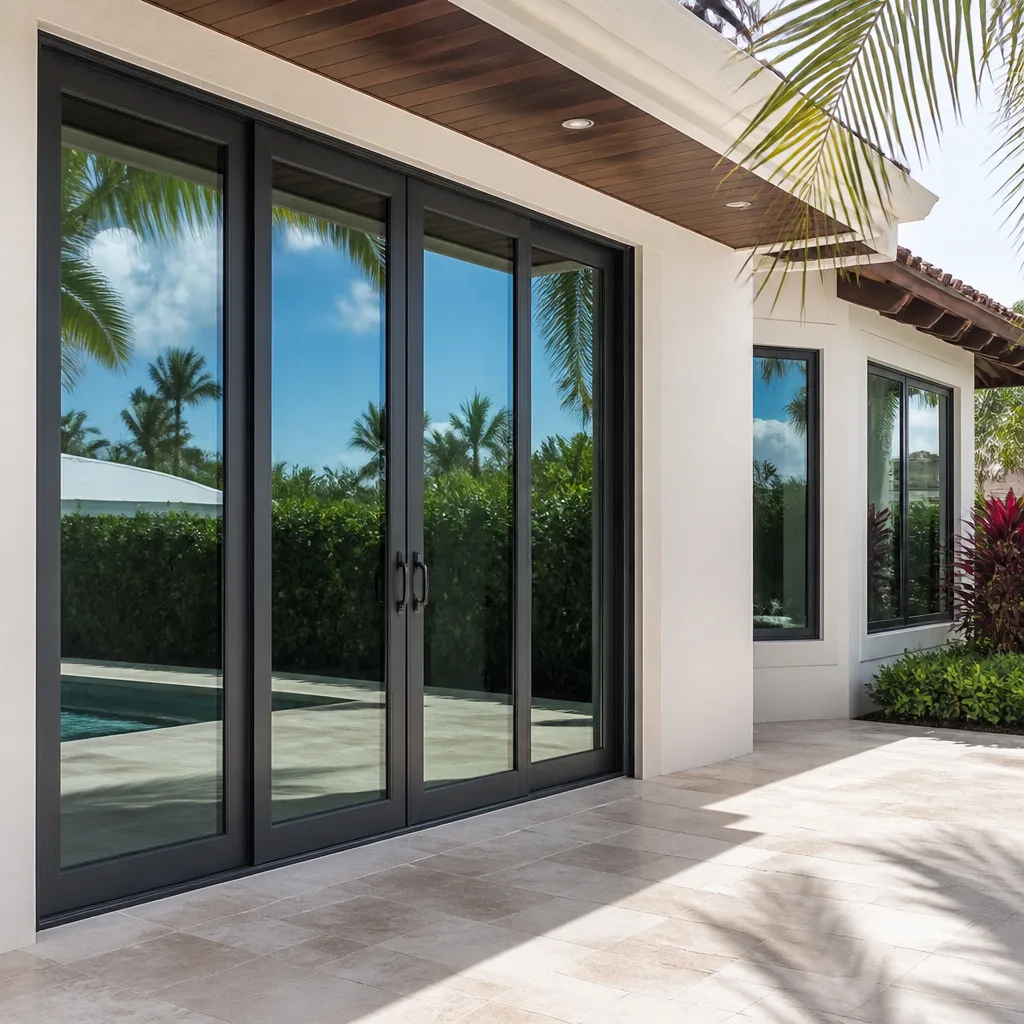
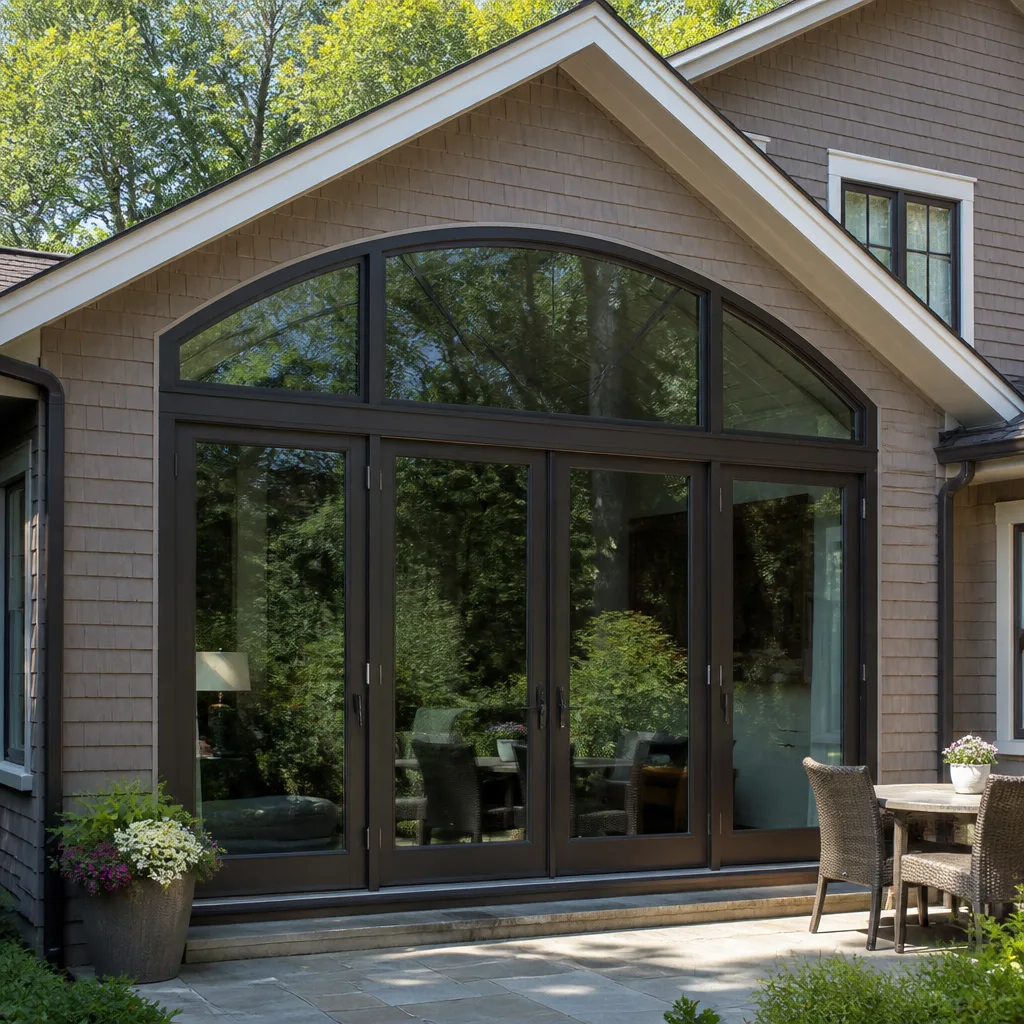
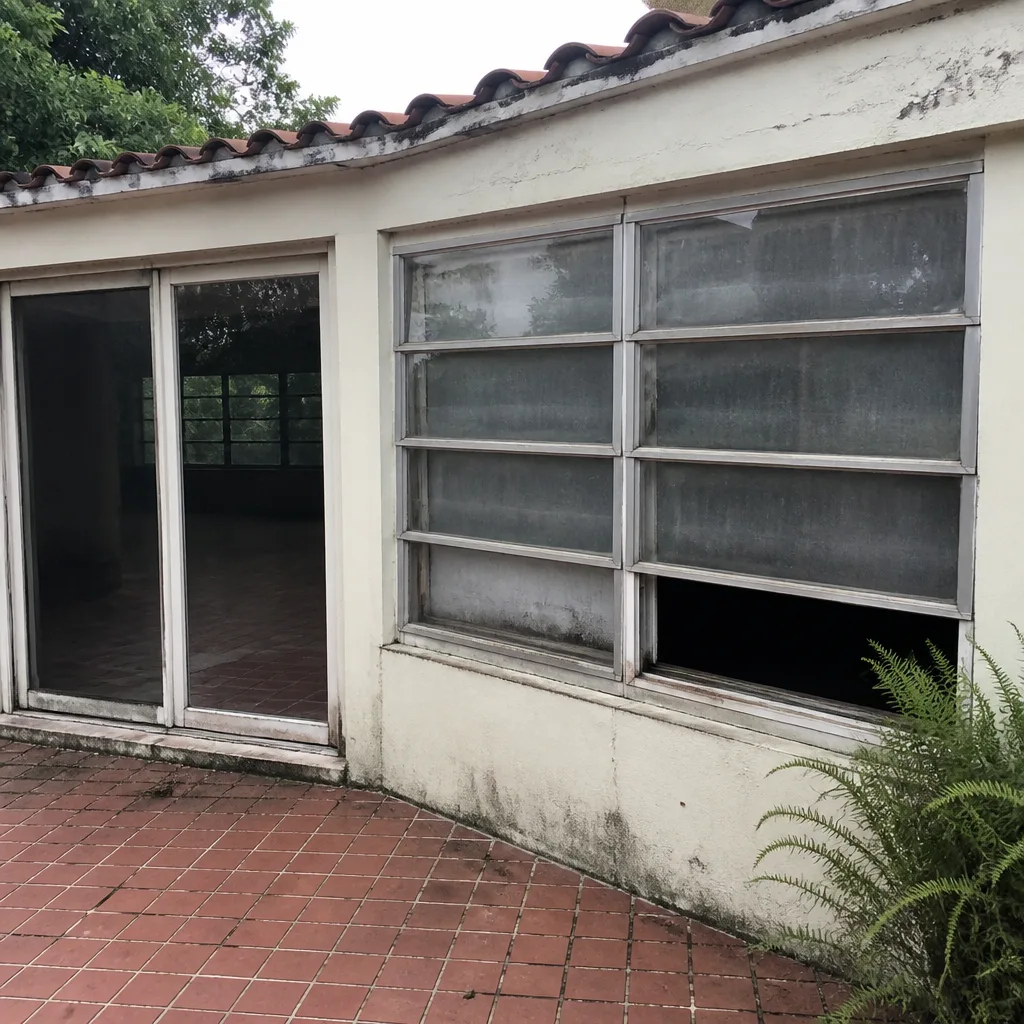 Before
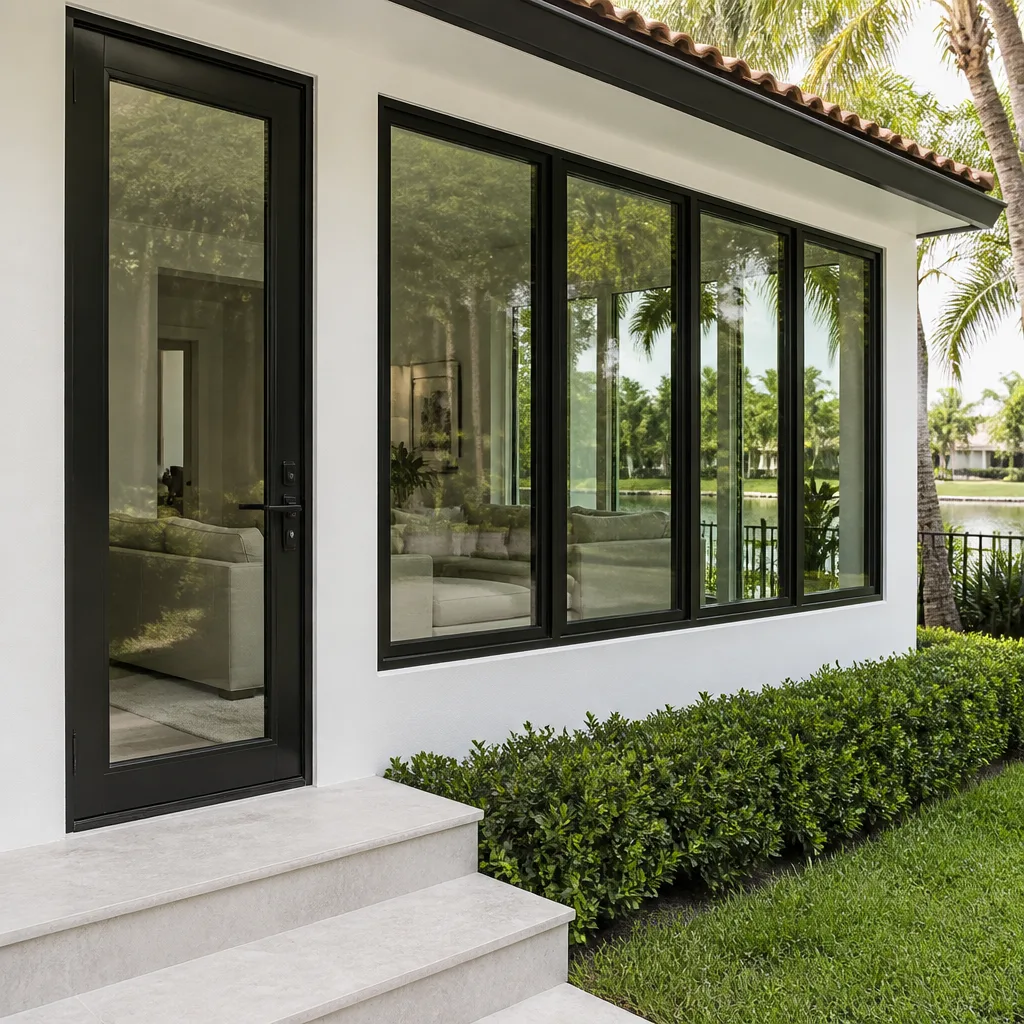 After
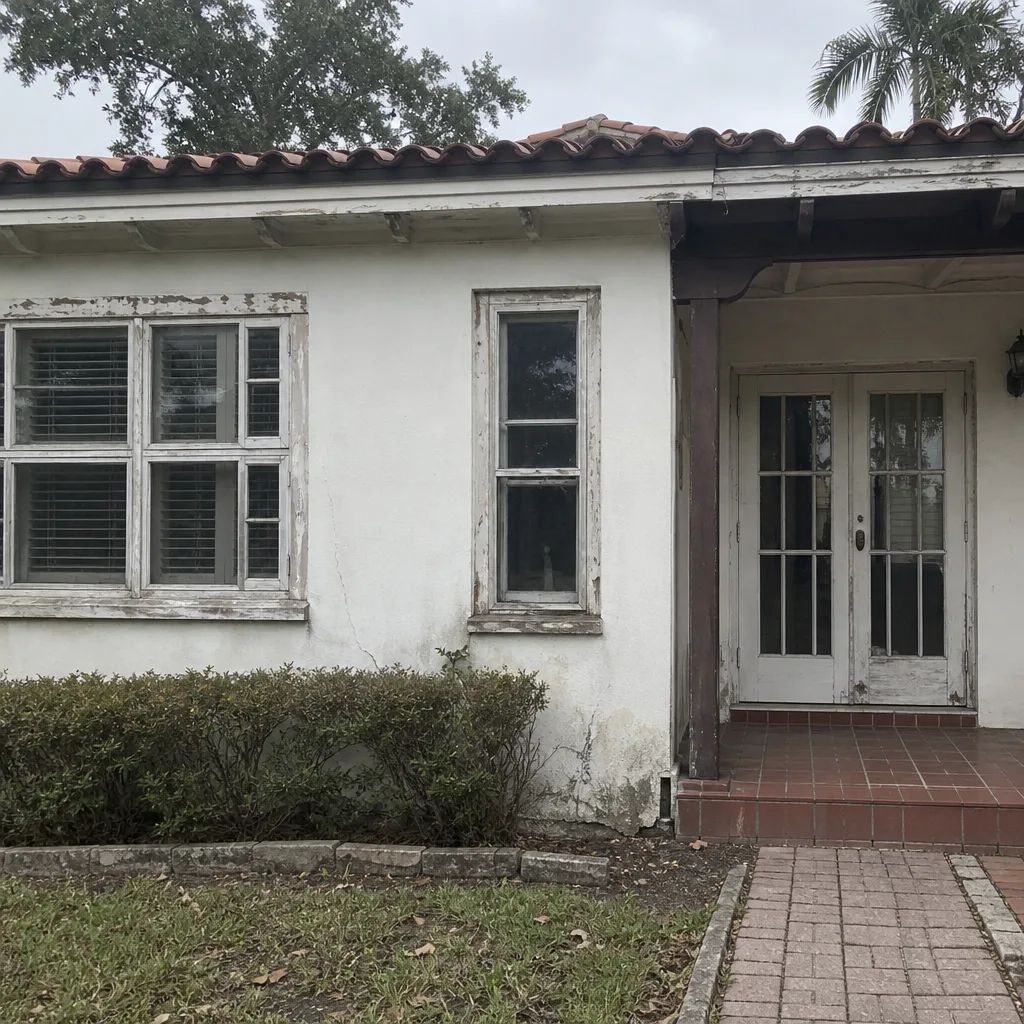 Before
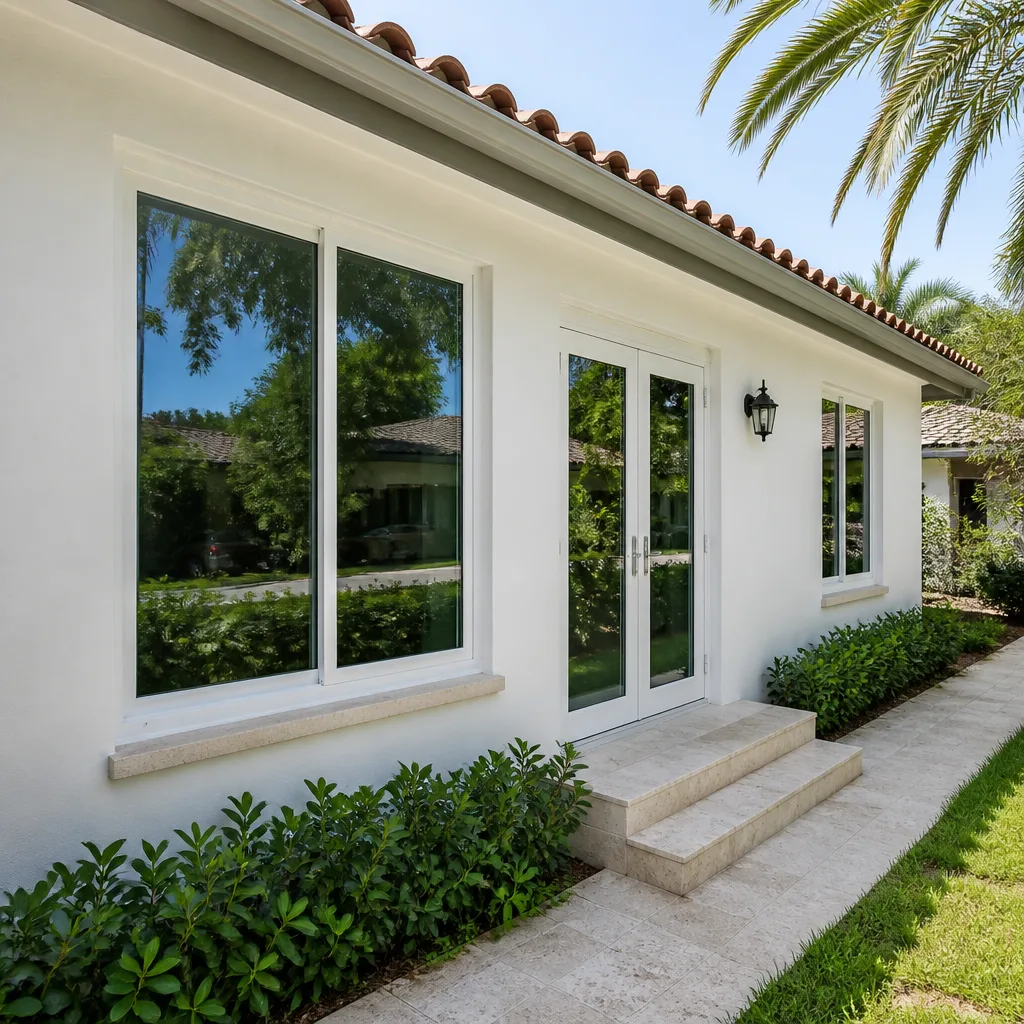 After
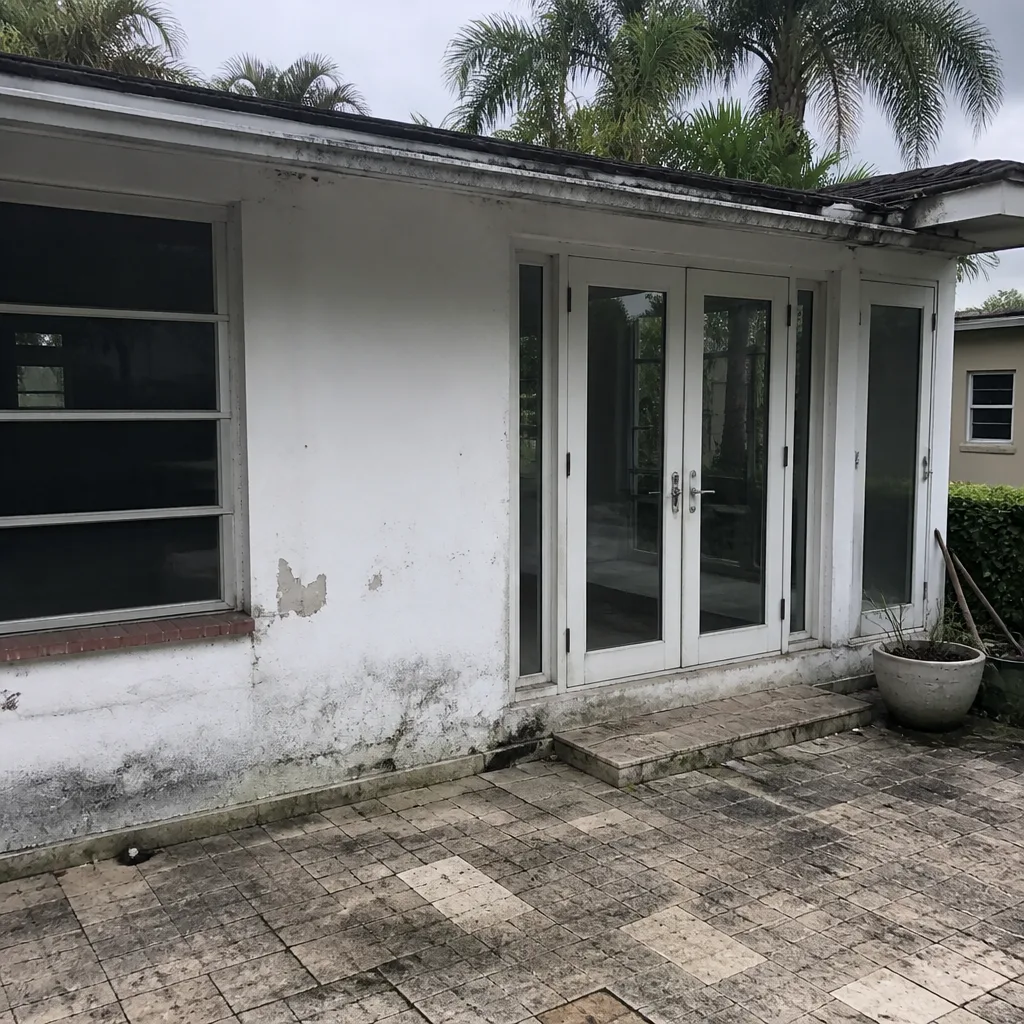 Before
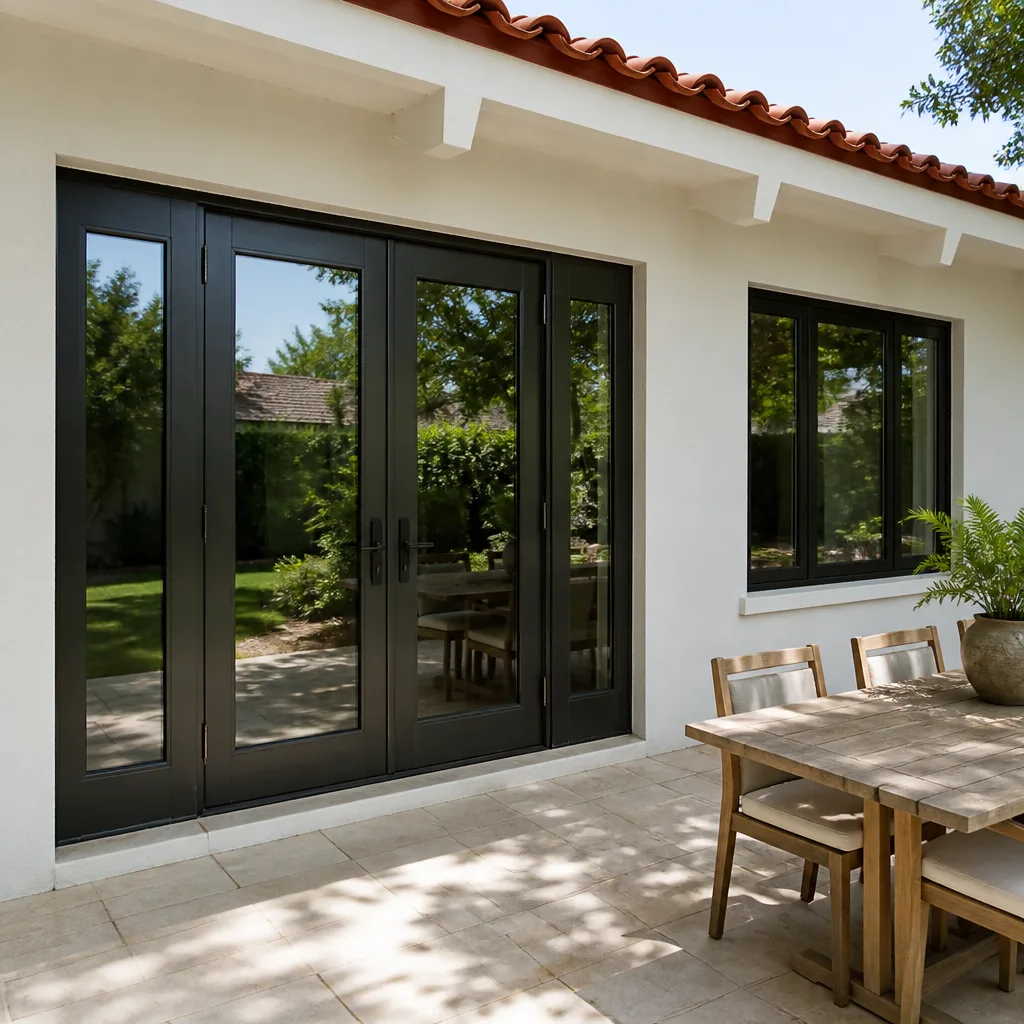 After
DIY vs Professional Windows & Doors: The Miami Shores Homeowner’s Decision Guide
Florida law permits homeowners to install their own windows, but Miami-Dade County’s HVHZ (High Velocity Hurricane Zone) code turns that legal permission into a minefield. The installation must match the NOA’s engineer-specified fastener pattern exactly, and a failed inspection means the window comes back out, regardless of who put it in. In Miami Shores, where 1950s ranch homes sit blocks from Biscayne Bay’s salt air, the DIY-vs-pro question isn’t really about skill. It’s about legal exposure, insurance coverage, and whether you’ll be pulling that window out of the rough opening twice. This guide draws the exact line between what a Miami Shores homeowner can legally handle and where professional installation isn’t optional.
Quick Answer
DIY window or door replacement in Miami Shores is legally possible but practically hazardous: the HVHZ code requires NOA-compliant fastener schedules, permit sign-off, and inspection by Miami-Dade building officials, and a homeowner-installed window that fails means removal, reinstallation, and a paper trail that Citizens Property Insurance may scrutinize for years. Professional installation by a licensed contractor costs more upfront but carries a workmanship warranty, liability coverage, and a documented install that your insurer accepts without question. For Miami Shores homeowners, we recommend DIY only for non-structural tasks like hardware replacement and weatherstripping; anything involving the rough opening or the water-resistive barrier belongs with a licensed crew. If you’re unsure how to choose one, see our guide on How to Hire a Windows & Doors Contractor in Miami Shores: A Step-by-Step Guide.
Table of Contents
- What HVHZ Actually Means for Your Windows and Doors
- Where the Law Draws the Line: Homeowner Permits in Miami-Dade
- The NOA Installation Document: Why Fastener Schedules Are Precision Work
- Insurance Implications: What Citizens Property Insurance Sees
- The Honest Cost Comparison: DIY vs Professional in Miami Shores
- What You Can Safely DIY Without Touching the Permit Scope
- Door Installation: Where DIY Collapses First
- Energy Efficiency and the Salt Air Factor in Miami Shores
What HVHZ Actually Means for Your Windows and Doors
Miami Shores sits inside the Miami-Dade HVHZ, the strictest wind-load building code in the continental United States. The HVHZ exists because Hurricane Andrew in 1992 flattened entire neighborhoods in South Florida, and the forensic engineering afterward pointed at one culprit: window and door openings. When wind enters a home through a failed window, it pressurizes the interior and lifts the roof off from underneath. So the HVHZ doesn’t just ask that windows be strong. It demands that every glazed opening, including the window itself, the screws, the buck, the sealant, and the flashing, resist both positive and negative wind pressure in a 180+ mph event.
For a Miami Shores homeowner, this means the window you buy at a big-box store is not automatically legal. The window must carry a Florida Product Approval or a Miami-Dade NOA (Notice of Acceptance). The NOA is a document, often 8 to 30 pages long, that specifies the exact fastener type, fastener spacing, anchor embedment, shim placement, and sealant bead dimensions for that specific window model in that specific wall type. We regularly see well-meaning homeowners in the Miami Shores area install an impact-rated window with generic tapcons, only to fail inspection because the NOA called for #14 wood screws at 6 inches on center, not 10.
The code doesn’t care how good your drill is. It cares whether the installed assembly matches the engineering. That’s the sentence most YouTube tutorials never mention.
For more on what an impact-rated window must withstand in this specific climate, see our guide to Impact Windows in Miami Shores.
Where the Law Draws the Line: Homeowner Permits in Miami-Dade
Florida Statute 489.103 exempts homeowners from contractor licensing requirements when they act as their own contractor on their own primary residence, provided they apply for the permit themselves and the work is not for sale or rent within one year. On paper, that means a Miami Shores homeowner can pull an owner-builder permit and install their own windows and doors. In practice, the process is more complicated.
Here’s what the owner-builder path requires in Miami-Dade County:
- You must own the property and live there as your primary residence. Rental properties and second homes are excluded.
- You must apply for the owner-builder permit in person. The county requires you to sign an affidavit acknowledging you are responsible for code compliance, worker safety, and anyone you hire to help.
- You must submit product approvals (NOAs) for every window and door model being installed. The permit reviewer cross-references the NOA against the submitted plans.
- The work must pass inspection. Miami-Dade sends a building inspector to verify anchors, fasteners, sealant, and product labels against the NOA. This is a pass/fail inspection: one missed anchor detail, and the inspector issues a fail with a correction notice.
- If you fail, you correct the issue and schedule a re-inspection. Each re-inspection costs money and time. Fail twice, and the county may flag the permit for a full plan review.
The owner-builder route also means you personally carry the liability for anyone who works on the project, and you’re responsible for sourcing materials that actually meet code. A window from a clearance sale in a different county may not have a Miami-Dade NOA, which means the inspector will reject it out of hand. We’ve met several Miami Shores homeowners over the years who bought expensive “impact” windows online, only to discover at inspection that the product was approved for the Florida Building Code but not the Miami-Dade HVHZ designation. The windows had to come out.
For a clearer picture of what a permitted installation involves, read our page on Window Installation in Miami Shores.
The NOA Installation Document: Why Fastener Schedules Are Precision Work
The NOA (Notice of Acceptance) is the engineering document that makes a window legal in the HVHZ, and it’s the single biggest reason DIY installation goes wrong in Miami Shores. A typical NOA for an impact window from CWS, ES Windows, or ECO Window Systems includes a table called the installation schedule. That table specifies:
- Fastener type and material: stainless steel or hot-dipped galvanized. Not zinc-plated. The salt air in Miami Shores eats zinc-plated fasteners within a few hurricane seasons, and an inspector will check for the telltale marking on the screw head.
- Fastener diameter and length: typically #10 or #14, with embedment depth into the concrete or wood buck specified to the quarter-inch.
- Fastener spacing: often 4 to 6 inches on center along the frame, measured from the corners. Miss by half an inch, fail. No exceptions.
- Shim location and material: the NOA dictates where shims go and what they’re made of so the frame doesn’t deflect under wind load.
- Sealant and backer rod specification: the precise bead diameter, sealant chemistry, and joint width required for water resistance. Silicone from a random tube at the hardware store is not approved for HVHZ installation.
- Buck attachment details: for block homes in Miami Shores, the window anchors into the masonry through a treated wood buck or directly into the block with specific embedment. The buck itself gets attached with anchors at a particular interval.
This is precision manufacturing, not general carpentry. When a pro installs a window, the crew reads the NOA for that exact window and that exact wall substrate before the first screw goes in. When a DIYer installs the same window, they typically follow a generic video that shows “put screws every foot or so.” The two outcomes are not the same, and the Miami-Dade inspector will know the difference within sixty seconds of looking at the screw pattern.
We’ve corrected NOA violations in dozens of Miami Shores homes where the homeowner or a handyman installed beautiful impact windows that failed inspection for anchor spacing alone. The windows were fine. The installation was not. And the remediation cost more than a professional install would have in the first place.
Insurance Implications: What Citizens Property Insurance Sees
Here’s where the DIY path creates long-tail risk that doesn’t show up on the invoice. After an installation completes and passes inspection, the homeowner submits documentation to their insurer. That documentation includes the permit, the inspection record, the product approvals, and sometimes photographs of the installation. In a contractor-installed job, the contractor’s license number, insurance certificate, and workmanship warranty are part of that package. In a homeowner-installed job, the package says “owner-builder” on every page.
Citizens Property Insurance, which covers a substantial share of Miami Shores homes, reviews window mitigation credits based on the documented installation. A professionally installed, HVHZ-compliant impact window system qualifies for wind mitigation credits because the paperwork is clean and the installation is warrantied. A homeowner-installed window that passed inspection may technically qualify, but we’ve seen Citizens request additional verification, delay the credit, or in rare cases require a re-inspection by an independent engineer before honoring the discount. If you financed or planned around that mitigation credit, the delay and the engineering fee are on you.
The bigger issue is the claim scenario. If your window fails during a storm and the insurance company’s adjuster finds that the installation did not precisely follow the NOA, the insurer can reduce or deny the water-damage claim. Not because the homeowner is dishonest, but because the policy requires damage to result from a covered peril, and an improperly installed window creates an argument that the damage resulted from faulty workmanship. Contractor-installed windows come with the installer’s workmanship warranty, which means the contractor’s insurance may respond to an installation-defect claim. A homeowner-installed window leaves you as the manufacturer, installer, and insurer of last resort.
This is not a theoretical concern in Miami Shores. We’ve had homeowners call us after an adjuster flagged a DIY install that had passed county inspection but used the wrong sealant bead. The county inspector checked anchors; the adjuster checked everything.
The Honest Cost Comparison: DIY vs Professional in Miami Shores
Let’s put numbers on the table. These are Miami Shores market rates as of 2025, reflecting what we see on estimates and what homeowners tell us they spent on materials.
DIY Window Replacement: A Realistic Budget for One Window in Miami Shores
- Impact window unit (HVHZ-approved, mid-grade): $550 to $1,100 depending on size and brand. A CWS or ES Windows unit will be higher; an ECO Window Systems unit slightly lower.
- Miami-Dade permit fee (owner-builder, single opening): $180 to $350, depending on valuation and county surcharges.
- Fasteners, sealant, backer rod, flashing tape (NOA-compliant): $60 to $140. Most DIYers buy the wrong sealant and have to rebuy.
- Tools you may not own: hammer drill with masonry capability, impact driver, NOA-required torque bit set, laser level, suction cups for the glass: $250 to $500 if bought, less if rented.
- Disposal of the old window: $30 to $80 at the transfer station, or free if you leave it at the curb and hope the county takes it.
- Failed inspection correction (very common on first DIY attempt): $75 to $150 re-inspection fee, plus the cost of additional fasteners, a new tube of sealant, and your time.
Realistic DIY all-in for one window: $1,100 to $2,200, assuming one re-inspection and no major correction.
Professional Window Replacement: What a Licensed Installer Charges in Miami Shores
- Impact window unit (same HVHZ-approved, mid-grade): $550 to $1,100, but the installer often pays 10-20% less than retail, which offsets some of the labor.
- Labor, including NOA compliance, flashing, sealant, anchoring, and interior cleanup: $350 to $650 per window for a standard single opening in a concrete-block home.
- Permit and inspection coordination: included in most professional quotes, or itemized at $150 to $300.
- Workmanship warranty: included. At Winslow Windows & Doors, our Done Right Promise means if the install isn’t done right, we come back and make it right. That promise is worth more than the line item suggests.
- Disposal and haul-away: included.
Realistic professional all-in for one window: $1,200 to $2,400, with no correction fees, no surprise re-inspections, and a written workmanship warranty.
The gap is narrower than most homeowners assume. Once you add the failed inspection, the tool rental, the second trip to the supply house for the right sealant, and the Saturday lost to reading a 24-page NOA, the financial advantage of DIY shrinks to a few hundred dollars. And if the work fails an inspection or an insurance claim gets complicated, the DIY path becomes more expensive than hiring a pro from the start.
For a full breakdown of what replacement involves on existing Miami Shores homes, see Window Replacement in Miami Shores.
What You Can Safely DIY Without Touching the Permit Scope
The honest answer is that a capable Miami Shores homeowner can save real money on window and door maintenance without ever touching the rough opening, the fasteners, or the permit counter. For year-round guidance, see our Seasonal Windows & Doors Care for Miami Shores: Year-Round Homeowner’s Guide. Here’s where DIY makes sense:
- Hardware replacement. Crank handles, latch mechanisms, hinges, and rollers on sliding doors are wear items. Replacing a corroded CWS or Mr-Glass crank handle with the manufacturer’s replacement part is straightforward, requires no permit, and keeps the window operating smoothly for another decade.
- Weatherstripping replacement. The rubber and foam seals around windows and doors degrade in Miami Shores’ UV and salt air within a few years. Pulling out old weatherstripping and pressing in manufacturer-specific replacement gaskets restores the seal and cuts air-conditioning leakage. No permit, no inspection.
- Interior casing and trim. If water intrusion has stained the interior casing but the window frame and rough opening are sound, replacing the interior trim is cosmetic work. It sits outside the HVHZ scope because it doesn’t affect the structural seal.
- Caulking and exterior sealant touch-up. Reapplying a bead of approved exterior-grade sealant around the exterior perimeter of an existing, properly installed window is maintenance, not installation. This is different from the structural sealant joint the NOA specifies between the frame and the buck, which you should not touch unless you know the exact product called for.
- Screen replacement. Torn screens on windows and sliding glass doors are a simple fix with a spline roller and new screen fabric from the hardware store.
These five tasks cover about ninety percent of the maintenance items a Miami Shores homeowner will actually face. For a complete rundown, check our Impact Windows Maintenance Checklist for Miami Shores Homeowners. The moment the work involves removing the window from the rough opening, cutting into the water-resistive barrier, or changing the anchor pattern, you’re in permit territory, and the HVHZ rules apply with full force.
Door Installation: Where DIY Collapses First
Doors deserve their own section because they fail DIY installation more often than windows, and for different reasons. A window sits in a rough opening and sheds water downward. A door sits at the threshold, where foot traffic, rain splashback, and the building’s drainage plane all intersect. In Miami Shores, where the water table is high and summer thunderstorms drop two inches of rain in an hour, a door that’s out of level by a quarter-inch becomes a standing water problem within weeks.
The specific issues we see with DIY door installs in Miami Shores:
- Improper threshold flashing. The NOA for an impact-rated door from Therma-Tru or ES Windows specifies membrane flashing details under the sill pan. Miss that step and water wicks into the subfloor and the wall cavity.
- Out-of-square installation. A heavy impact door hanging on three hinges amplifies any error in the rough opening. The door binds. The latch doesn’t engage. The homeowner installs a longer strike plate. The problem isn’t the hardware; it’s the framing.
- Glass handling without suction cups. Impact glass is heavy. A full-lite impact door can weigh 150 pounds or more. One awkward lift and the corner chips, which compromises the impact rating and means a new door slab.
- Wind-load transfer requirements. An HVHZ-rated entrance door carries a continuous load path from the door frame through the threshold into the foundation. The NOA specifies that path. A door that looks perfect may not transfer wind load correctly, and the failure mode only shows up in a hurricane.
We have replaced DIY-installed doors in Miami Shores where the homeowner did everything “right” by the video they watched and still ended up with a door that leaked during the first summer storm. The cost to remove, reframe, and reinstall was significantly higher than the professional install would have been originally.
Energy Efficiency and the Salt Air Factor in Miami Shores
Miami Shores is a coastal community, and the salt air does two things to windows and doors. First, it corrodes fasteners, hinges, and frames faster than inland locations. Second, it drives homeowners toward energy-efficient glass packages that block heat gain, which is the primary cooling cost driver in South Florida. The energy math matters: the right impact windows with low-E glass can reduce solar heat gain through the glass by 50% or more, which translates directly to lower FPL bills from May through October.
But energy efficiency only works if the installation is airtight. A window with superb glass coatings installed with gaps in the sealant, missing backer rod, or uneven shims leaks conditioned air. The homeowner paid for the glass package but receives none of the benefit. This is where professional installation pays for itself over time, because the installer’s reputation and warranty ride on the seal. Our team in Miami Shores has been installing impact-rated, energy-certified windows since 2011, and we’ve learned that the sealant joint is where most installations, including some professional ones from out-of-town crews, fail the energy test.
Mr-Glass, ES Windows, and ECO Window Systems all manufacture energy-efficient impact units with excellent SHGC ratings for South Florida, but the unit’s performance depends entirely on the installation. A CWS window installed to the NOA specification will outperform a premium window installed with shortcuts every time.
Common Mistakes to Avoid
- Buying windows without a Miami-Dade NOA. Some “impact-rated” windows sold online and at Florida big-box stores meet the Florida Building Code but lack Miami-Dade HVHZ approval. The inspector will reject them at rough inspection, and the windows are non-returnable from many discount suppliers. Always verify the NOA number before you pay.
- Using the wrong fasteners. Zinc-plated screws are not approved for HVHZ installation in a coastal environment like Miami Shores. The NOA specifies stainless steel or hot-dipped galvanized. Using the wrong screw fails inspection and creates a corrosion point that the salt air will turn into a structural weakness within a decade.
- Skipping the permit entirely. Installing windows without a permit in Miami-Dade is a citation, a stop-work order, and potentially a forced removal if the installation can’t be verified as compliant. The county’s code enforcement works through neighborhood sweeps and anonymous tips in Miami Shores, and unpermitted window work is one of the most common violations reported.
- Assuming the old window’s rough opening is square. It rarely is, especially in Miami Shores homes built in the 1950s and 1960s. The installer must shim and adjust to the NOA’s specifications, not just “make it fit.”
- Underestimating the weight of impact glass. A standard impact window sash weighs significantly more than a non-impact unit. Handling it solo or with one helper without proper suction cups leads to chipped glass, damaged frames, and back injuries.
- Failing the insurance documentation chain. After a DIY install, homeowners sometimes forget to submit the permit, the inspection record, and the product approvals to their insurer. That omission wipes out the wind mitigation credit and leaves the homeowner uninsured for the very upgrade they just paid for.
When to Call a Professional
Call a licensed professional for any work that touches the rough opening, the water-resistive barrier, the NOA-specified anchoring, or the structural frame. That includes window replacement, new window installation, door replacement, and sliding glass door installation. It also includes any situation where the existing installation has water damage, rot, or missing fasteners. If you live in Miami Shores and want a second opinion on a written estimate or an honest evaluation of whether a particular job is DIY-safe, Winslow Windows & Doors offers free estimates in Miami Shores. Call (727) 483-7883 and a real person will answer, day or night.
Frequently Asked Questions
Yes, Florida law allows a homeowner to pull an owner-builder permit on their primary residence, but the installation must still meet Miami-Dade HVHZ requirements, pass county inspection, and match the NOA fastener schedule exactly. A failed inspection means the window comes out, and the homeowner pays for remediation. Most Miami Shores homeowners find the legal permission is not the same as practical permission.
A realistic DIY window replacement in Miami Shores runs $1,100 to $2,200 per window when you include materials, permit fees, tools, disposal, and at least one re-inspection. A professional install runs $1,200 to $2,400 per window with no correction fees and a workmanship warranty. The gap is far narrower than most people expect.
An NOA is a Notice of Acceptance issued by Miami-Dade County, a document that details the exact fasteners, anchor patterns, sealant specifications, and installation requirements for a specific window or door model in the HVHZ. It matters because the county inspector verifies your installation against the NOA, and any deviation is a failed inspection. Most DIY failures in Miami Shores trace back to NOA non-compliance.
Yes, replacing an exterior door in Miami Shores requires a permit because doors are part of the HVHZ wind-load system. The only exception is cosmetic work like repainting or replacing interior trim. If the door comes out of the rough opening, the permit comes first.
Possibly not. If the insurance adjuster determines the installation did not precisely follow the NOA, the damage may be classified as a workmanship defect, which is typically excluded from coverage. A contractor-installed window carries a workmanship warranty and the contractor’s liability coverage, which shifts that risk away from you.
You can safely DIY hardware replacement, weatherstripping, screen replacement, interior casing and trim, and exterior caulking touch-up. These tasks don’t touch the rough opening, the NOA-specified anchoring, or the water-resistive barrier, so they fall outside the permit scope. Call (727) 483-7883 for guidance if you’re unsure where the line is.
The Bottom Line
Miami Shores homes sit in the most demanding wind-code jurisdiction in the country, and the HVHZ doesn’t care whether you’re a homeowner or a contractor. It cares whether the installation matches the engineering. The NOA is a precision document, and the county inspector enforces it without sentiment. For tasks like hardware replacement and weatherstripping, DIY saves money and makes sense. For more guides & resources on protecting your home, explore our blog. For anything touching the rough opening, the anchors, or the water barrier, professional installation is the financially and legally safer choice. The hundred dollars you might save on labor evaporates the first time an inspection fails or an insurance adjuster asks questions. Ed’s name is on every job we do in Miami Shores, and the Done Right Promise means we stand behind the work for a century. The one down the road.
Written by Ed Winslow, Owner at Winslow Windows & Doors, serving Miami Shores since 2011.
Call (727) 483-7883 for a free estimate on your window or door project in Miami Shores. A live person answers, every time.
Six Reasons Homeowners Choose Winslow Windows & Doors
Impact systems engineered to design pressures up to +/-100, matched to your wind zone - your openings hold when the storm arrives.
Low-E insulated impact glass from our manufacturer lines commonly cuts monthly cooling bills 20-30%.
Laminated impact glass shuts out up to 40% of outside noise - traffic, neighbors, weather.
Monitoring services run $30-90 a month. Laminated impact glass resists forced entry around the clock, with no subscription.
Florida homeowners average around 25% savings on the windstorm portion of their policy after protecting every opening - some homes qualify for more.
A full impact package upgrades curb appeal, buyer confidence and appraised value in one project.