
Last updated August 27, 2026
Free in-home measure and quote - PGT, CGI and CWS impact lines compared on your actual openings, style by style
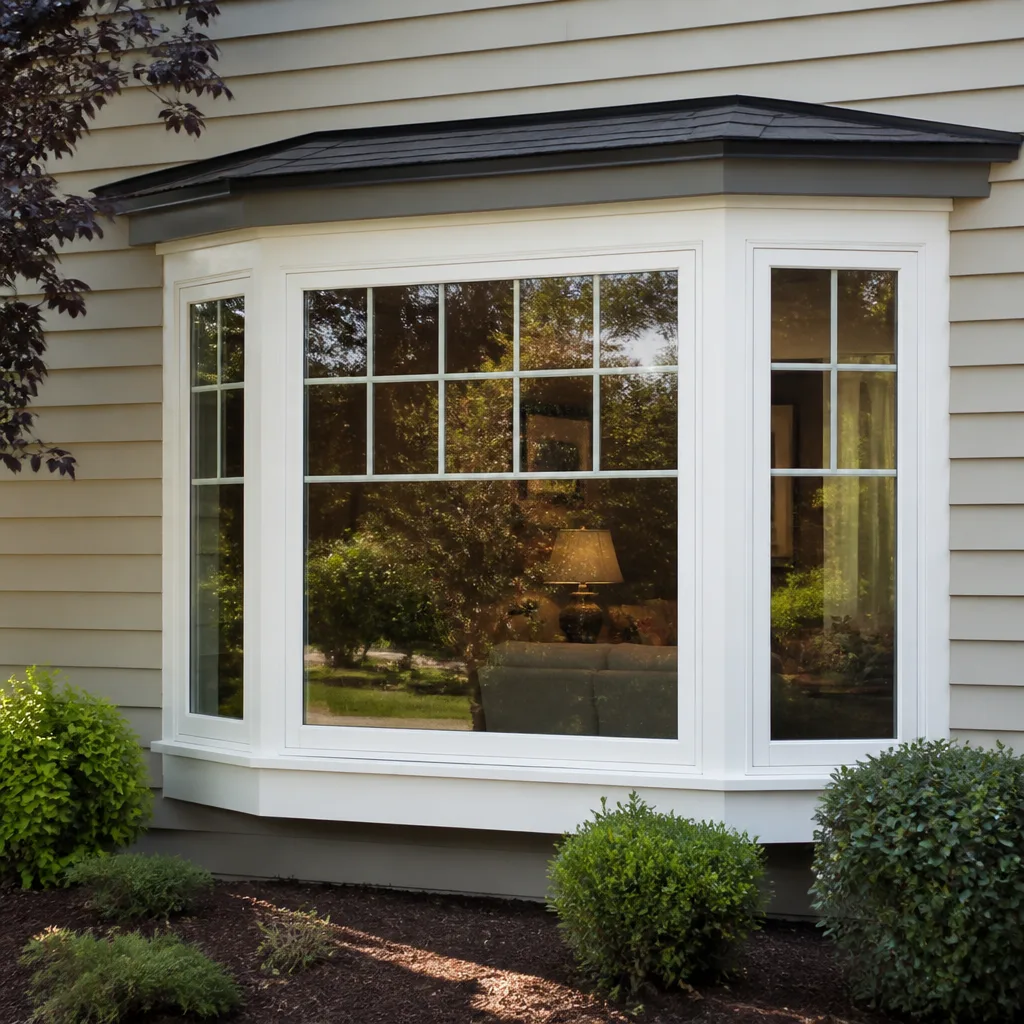
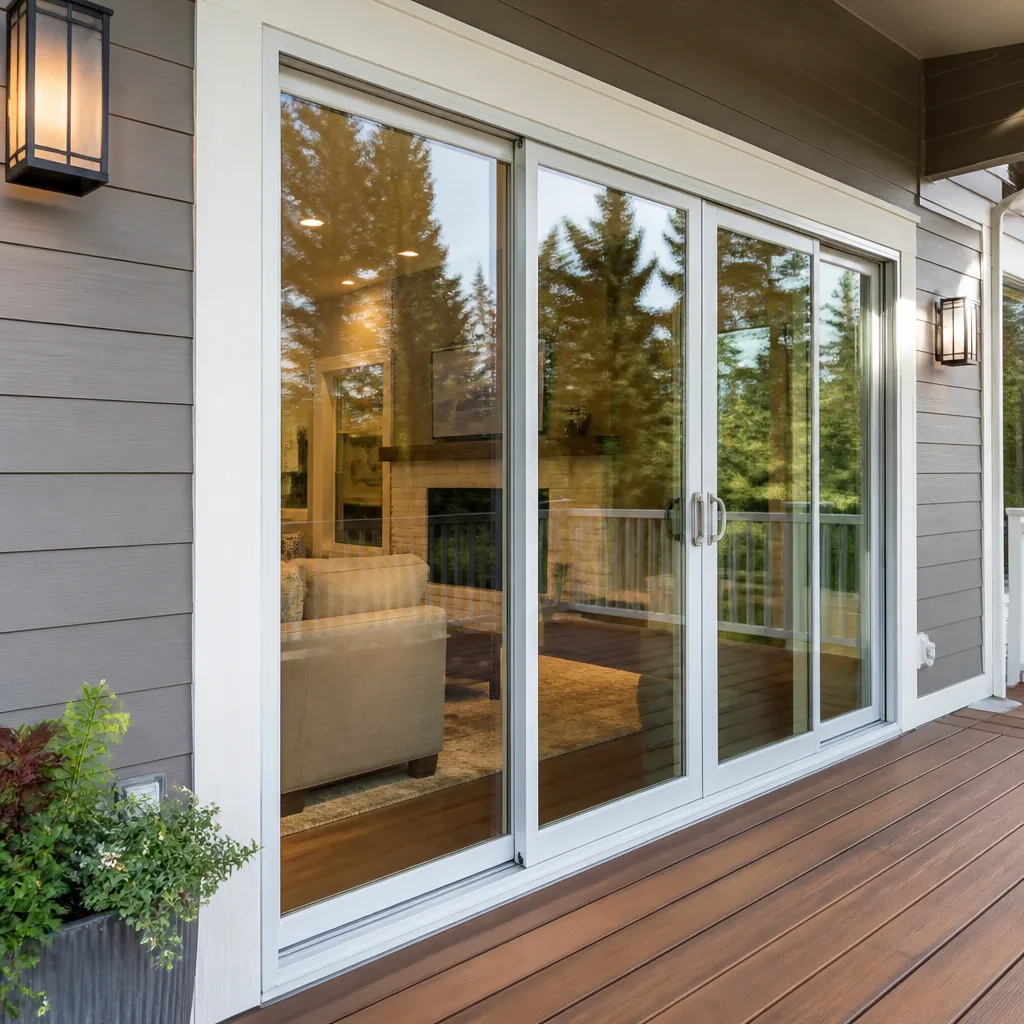
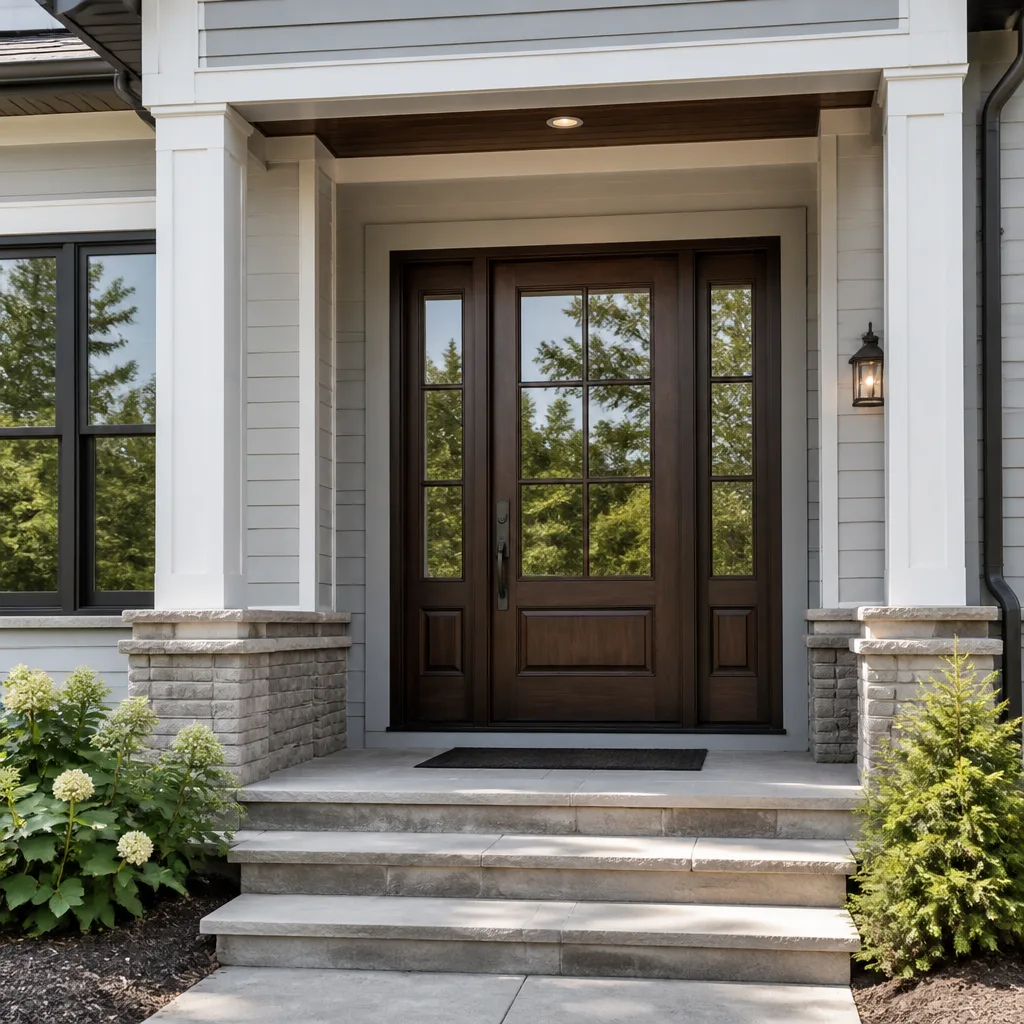
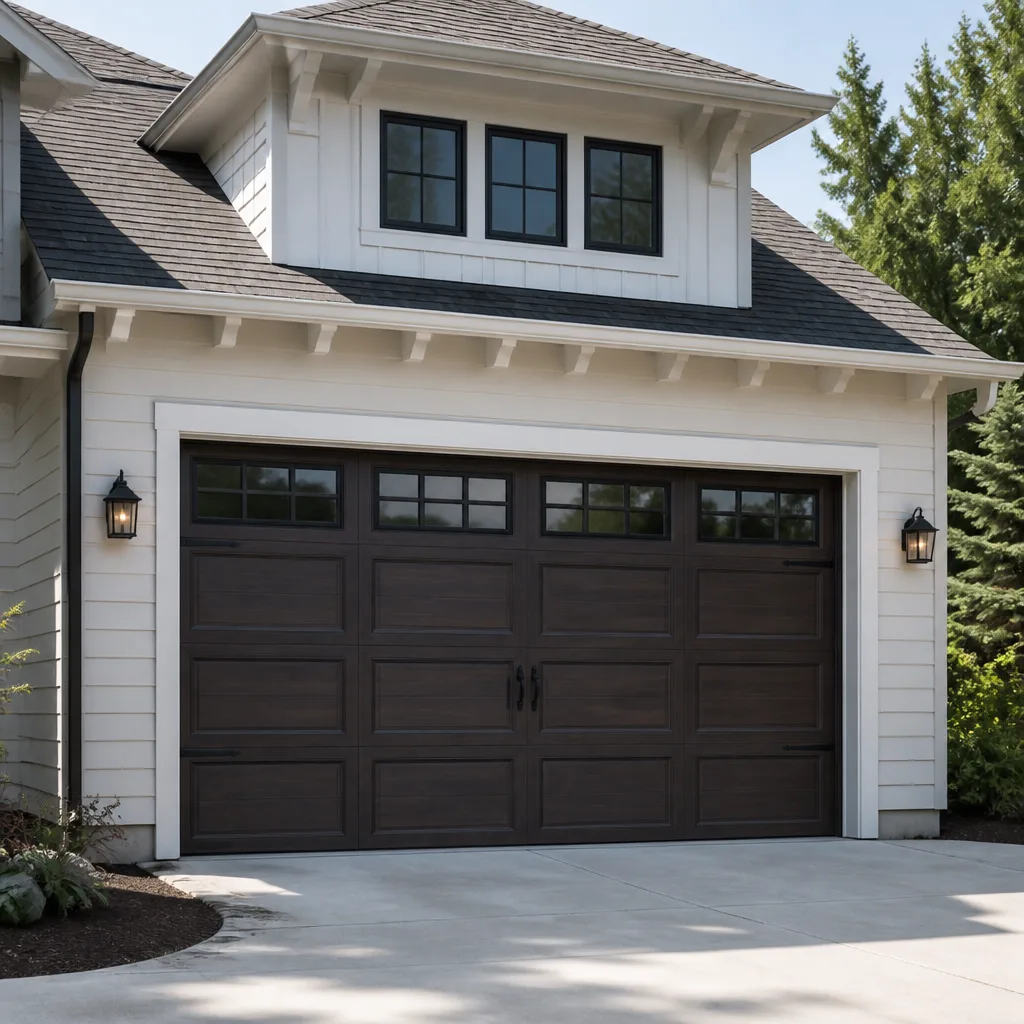
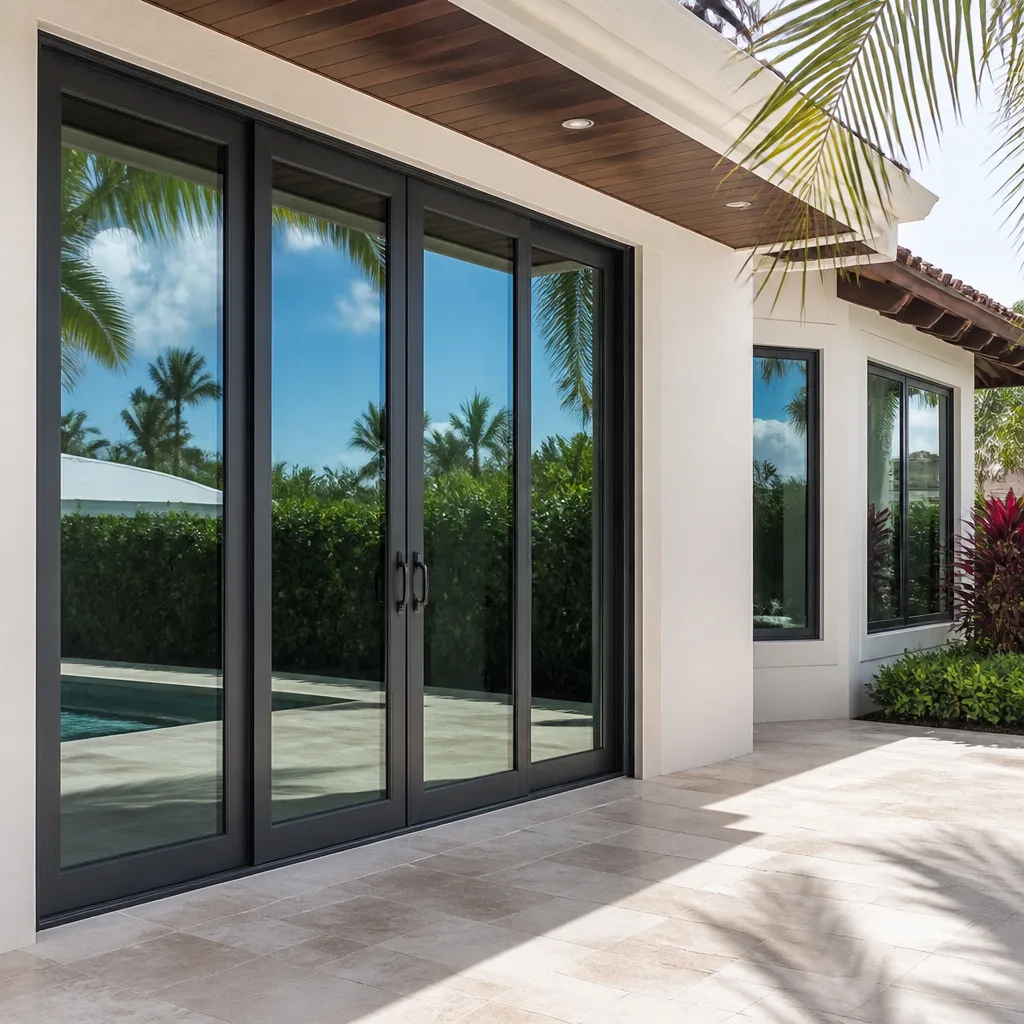
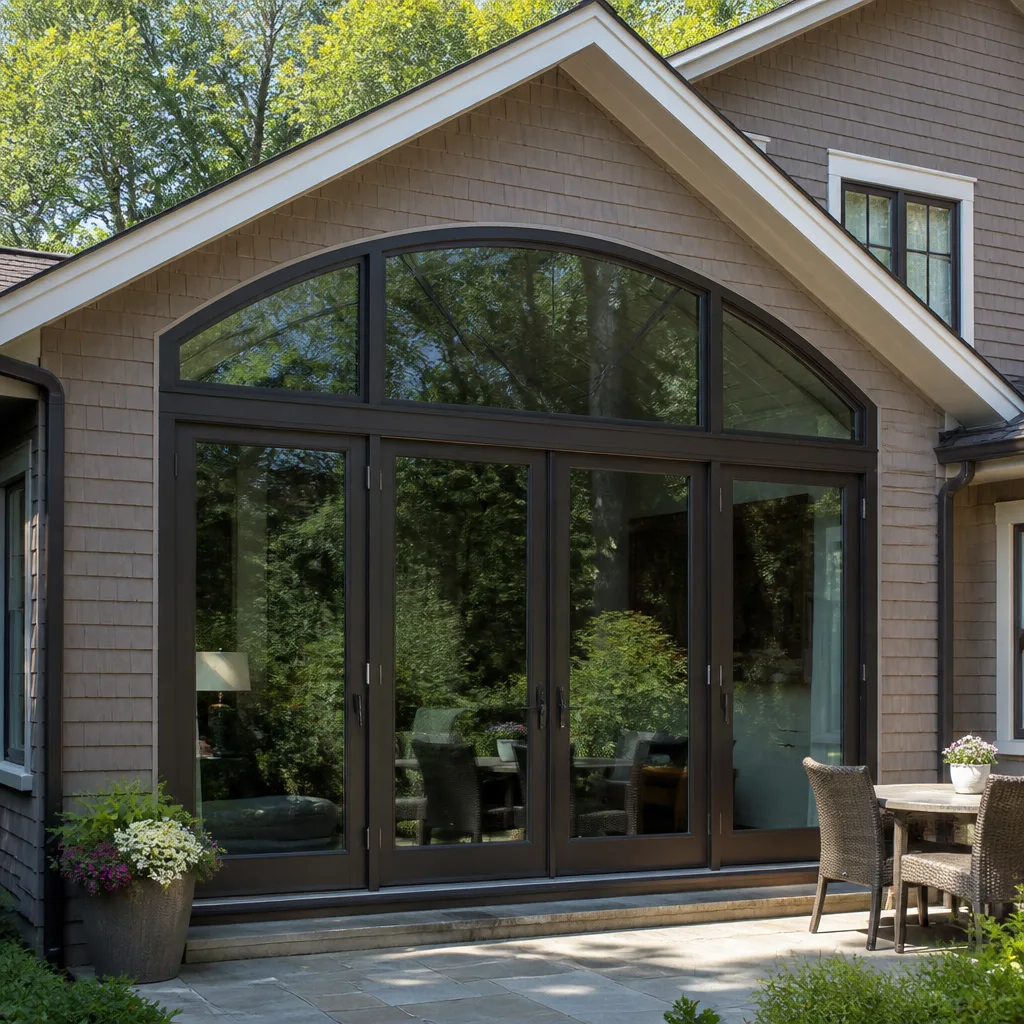
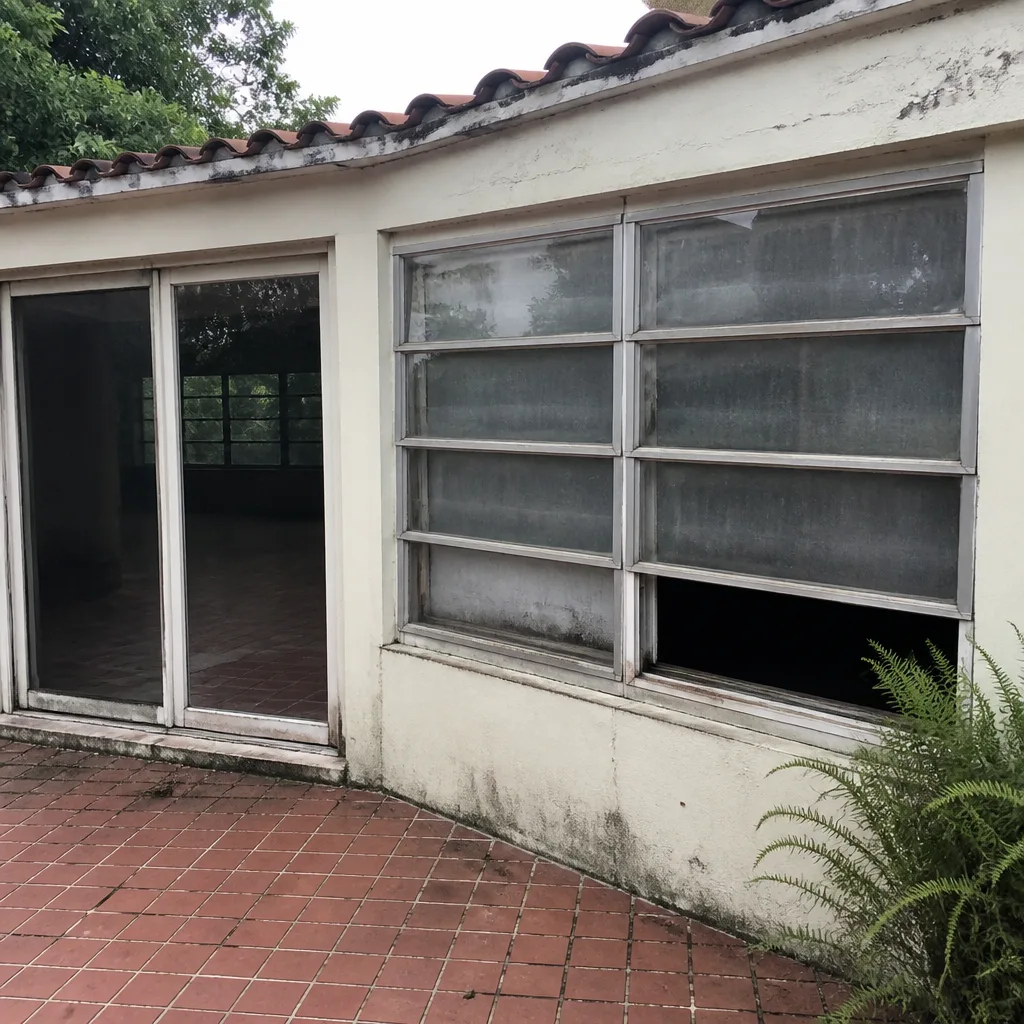 Before
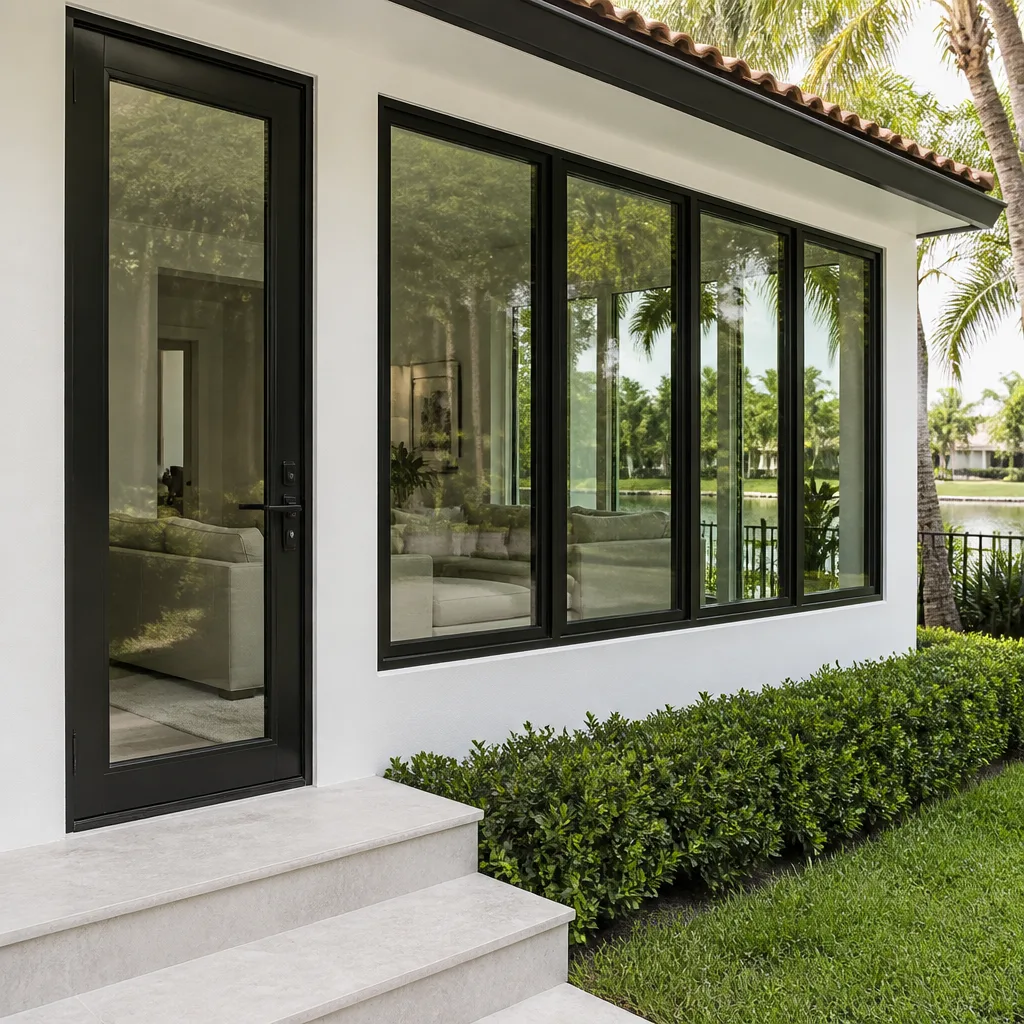 After
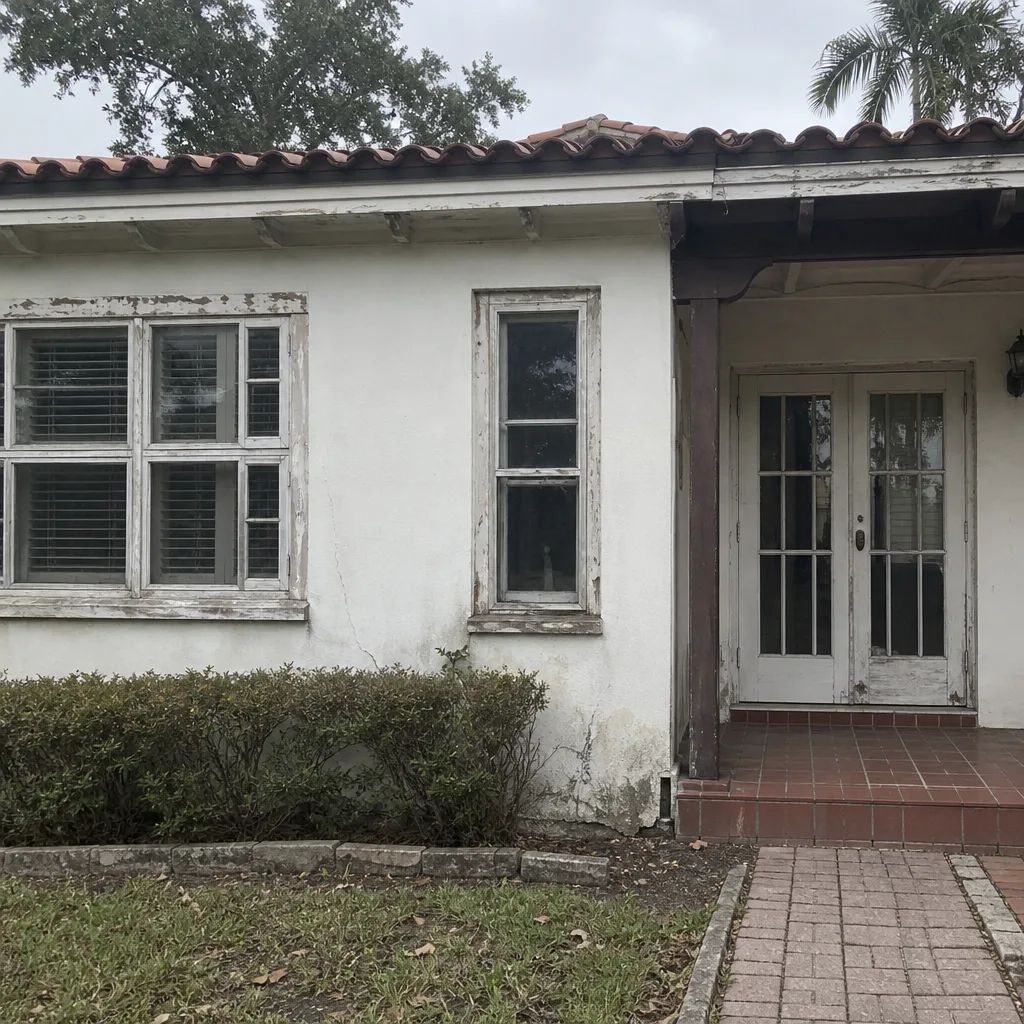 Before
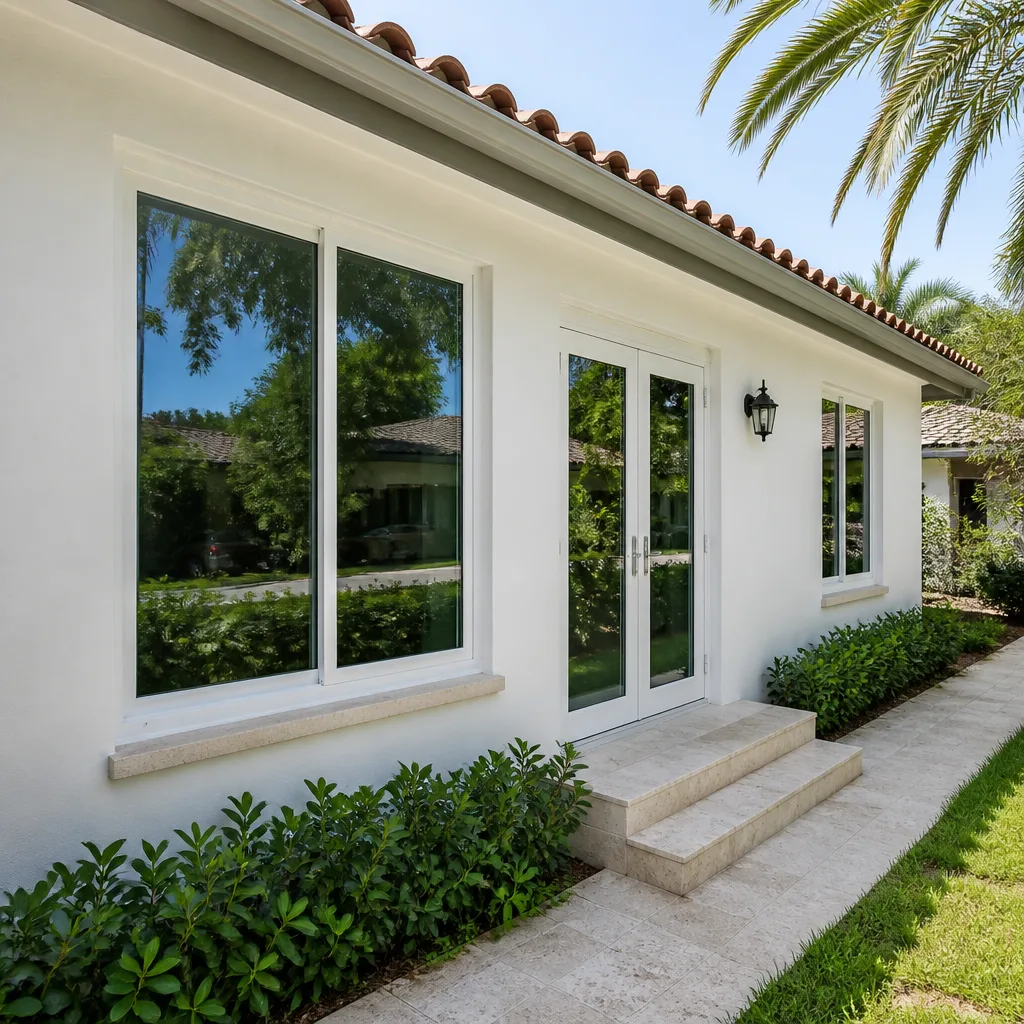 After
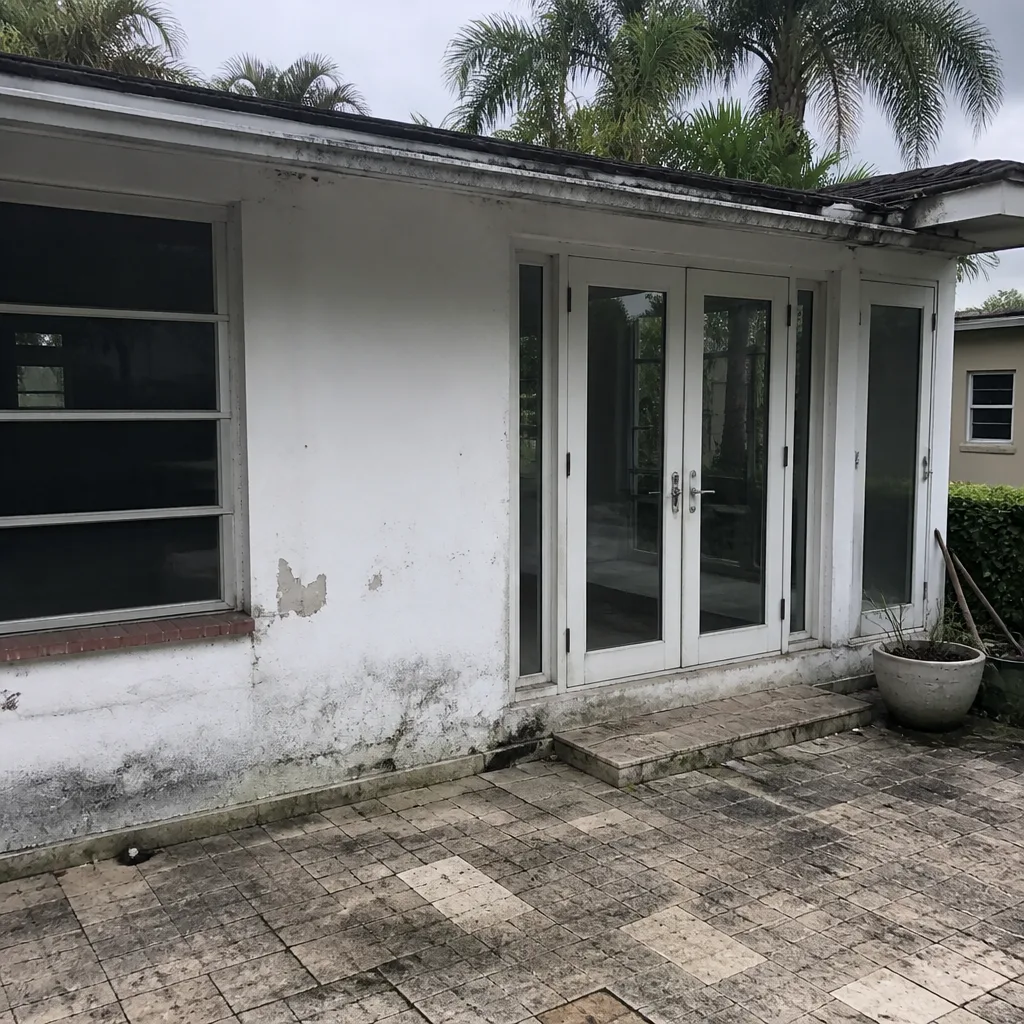 Before
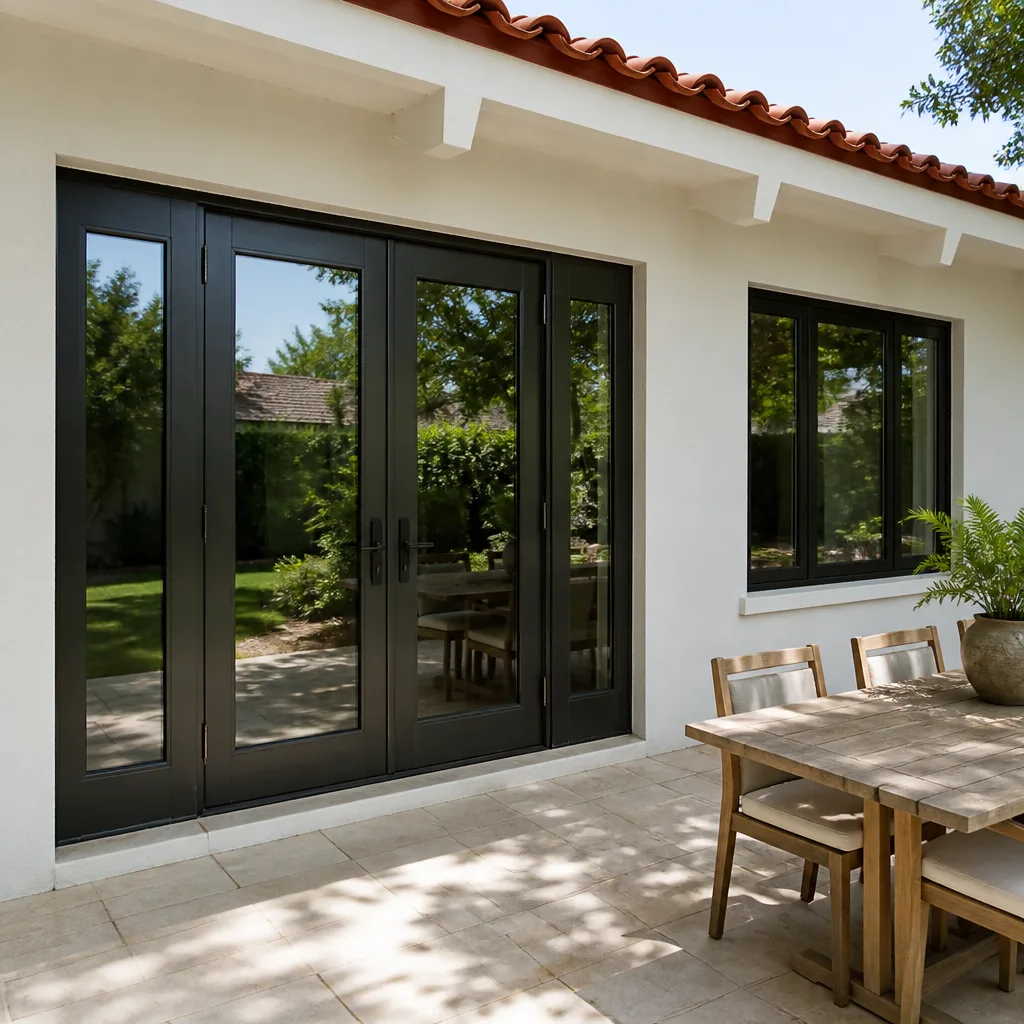 After
The Complete Guide to Windows & Doors in Miami Shores
Miami Shores has more than 1,100 contributing historic structures. That means a single wrong window frame can trigger a village denial, and most homeowners don’t find out until the inspector shows up. This guide decodes the triple threat every Miami Shores address faces: historic preservation rules, coastal wind zones, and salt-air corrosion from Biscayne Bay. We’ll walk through what actually matters for your permit, your insurance discount, and your home’s resale value. If you own property in Miami Shores, the advice you’ll find here is different from what works in Kendall or Broward, and we’ll show you exactly why. For more guides & resources, explore our blog.
Quick Answer
The windows and doors you choose for a Miami Shores home must satisfy three overlapping requirements: Miami-Dade County impact standards for windborne debris protection, Florida Product Approval (specifically Miami-Dade NOA) for permitting, and Miami Shores Village historic district guidelines if your home is a contributing structure. Expect to spend $850-$2,400 per impact window installed and $2,500-$7,500 for an impact-rated entry door, depending on size, brand, and historic overlay requirements. A local installer who knows Village codes will save you weeks of permit back-and-forth and thousands in rework.
Table of Contents
- How Miami Shores Historic District Rules Work (And What They Mean for Your Windows)
- Miami-Dade NOA vs. Florida Product Approval: Why Only One Matters for Your Permit
- Why Salt Air From Biscayne Bay Kills “Code-Compliant” Hardware Early
- PGT, CGI, and Therma-Tru in the Miami Shores Microclimate: A Brand-by-Brand Look
- What Windows and Doors Cost in Miami Shores in 2026
- When Historic Rules and Impact Requirements Conflict: What to Do
- How Owner-Operated Installers Handle Liability Differently Than National Chains on Historic Facades
- The Miami Shores Permitting Process, Step by Step
How Miami Shores Historic District Rules Work (And What They Mean for Your Windows)
Miami Shores Village operates its own historic preservation board, separate from Miami-Dade County. If your home sits within the Miami Shores Historic District, which covers a significant portion of the Village’s original 1920s and 1930s plats, any exterior alteration to windows or doors requires a Certificate of Appropriateness (COA) before you pull a building permit. The Village design guidelines are specific about frame material, muntin profiles, and even glass tint.
What most homeowners miss: the COA review happens before the Miami-Dade impact review. So if you order windows that meet Florida Product Approval but don’t match the historic character of your home, the Village denies the COA and you’re stuck with product you can’t install. We’ve seen this exact scenario play out on Northeast 96th Street and along Griffing Boulevard more times than we can count.
Here’s what Miami Shores Village typically requires for contributing structures:
- Frame material matching the original construction. Wood windows on a 1926 Mediterranean Revival generally need wood or wood-clad replacements, not vinyl, unless the Village grants a hardship exception.
- True divided lites or simulated divided lites (SDL). Flat snap-in grilles almost never pass COA review on street-facing elevations.
- Glass tint restrictions. Heavy bronze or reflective tint alters the historic appearance and is usually rejected. Low-E clear coatings are generally acceptable because they’re visually neutral.
- Door style consistency. A modern fiberglass door with a full glass panel will likely be denied on a contributing structure. The Village expects panel profiles and glazing patterns consistent with the home’s era.
The practical takeaway: before you fall in love with a window catalog, check whether your address is in the historic district. The Village maintains a searchable map. If it is, budget 4-8 weeks for COA review on top of the normal permitting timeline. A local installer who has worked these streets will tell you what’s approvable before you spend a dollar.
For homeowners ready to explore impact-rated options that can pass historic review, our Impact Windows in Miami Shores guide breaks down the full approval path.
Miami-Dade NOA vs. Florida Product Approval: Why Only One Matters for Your Permit
Miami-Dade County maintains its own product approval system called a Notice of Acceptance (NOA). The State of Florida has a parallel system called Florida Product Approval (FPA). A product can hold one, both, or neither. For any window or door installed in Miami Shores, your permit reviewer will look for the Miami-Dade NOA number specifically. An FPA-only product does not meet Miami-Dade requirements and will be rejected at plan review.
The reason goes back to Hurricane Andrew in 1992. Miami-Dade’s building code responded with the strictest windborne debris testing protocols in the country, and the NOA system is the county’s way of certifying that a specific product, in a specific size, with specific anchoring, passed those tests. Florida Product Approval draws from similar test standards but doesn’t carry the same county-level enforcement weight here.
What This Means in Practical Terms
- If you’re pulling a permit in Miami Shores: the product must carry a current Miami-Dade NOA. No exceptions. A contractor who says “it’s Florida approved” without an NOA is setting you up for a permit denial.
- NOAs are size-specific. A window that holds an NOA at 36″ x 48″ may not hold one at 72″ x 60″. Large openings need product lines with extended NOA coverage.
- NOAs expire and renew. A product approved in 2018 may have a renewed or revised NOA today. Ask for the current NOA number and verify it on the Miami-Dade product control database.
- Historic windows are a gray zone. Some contributing structures in Miami Shores were built with window openings that don’t match modern NOA-tested sizes. Custom impact windows can be NOA-certified, but the lead time is longer and the cost runs 20-40% above stock sizes.
In our experience, this is where homeowners get burned most often. A door distributor sells a beautiful entry door at a great price, the homeowner signs, and the permit reviewer bounces it because the door doesn’t carry an NOA for the exact size installed. Now the door sits in a garage for six weeks while everyone argues. A Miami Shores installer checks the NOA before ordering. That’s the difference between a two-month project and a six-month headache.
Why Salt Air From Biscayne Bay Kills “Code-Compliant” Hardware Early
Miami Shores sits roughly a mile inland from Biscayne Bay. That’s close enough for marine aerosol to reach your windows and doors daily, especially on the east side of the Village. Salt air doesn’t announce itself. It works on hardware for years, and then one day your sliding glass door handle shears off in your hand or your casement window crank stops turning.
What confuses homeowners: these failures happen on products that passed impact testing and met every code requirement. Code certification tests structural integrity under wind load. It does not simulate ten years of daily salt deposition on stainless steel rollers, aluminum tracks, and zinc-plated fasteners. In the Miami Shores microclimate, hardware grade matters as much as glass rating.
Here’s what we see fail first on homes within a mile of the Bay:
- Roller assemblies on sliding glass doors. Salt corrodes the bearings, the door gets heavy, and homeowners force it until the track deforms. Replacement rollers on a 12-foot slider run $180-$320 per door, but a warped track can push the fix to full door replacement.
- Multi-point lock mechanisms on entry doors. The internal cam and gear parts are often mild steel. Salt air + humidity cycles cause seizing. We replace more multi-point locks in Miami Shores than anywhere else we work.
- Casement and awning window operators. The crank gearboxes are the weak point. Once the internal grease breaks down and salt gets in, the operator fails. A $45 operator is an easy fix. A stripped frame mount is not.
- Screen frames. Aluminum screens with standard spline corrode around the edges within 3-5 years near the water. Upgrading to fiberglass screen cloth with marine-grade spline extends that to 8-10 years.
The fix isn’t exotic. It’s specifying marine-grade stainless steel hardware (316 grade, not 304) on any moving part, aluminum or stainless frames that are powder-coated rather than anodized, and thermal breaks that prevent condensation inside the frame. These upgrades add 8-15% to window and door costs in Miami Shores, but they double the hardware lifespan in salt-air conditions. For a full maintenance schedule, see our Impact Windows Maintenance Checklist for Miami Shores Homeowners. When you compare that against replacing hardware every 5-7 years, the math is straightforward.
PGT, CGI, and Therma-Tru in the Miami Shores Microclimate: A Brand-by-Brand Look
Not all impact-rated products perform the same in Miami Shores, even when they carry identical Miami-Dade NOAs. The differences come down to frame design, hardware selection, and coating systems. Here’s a plain-spoken breakdown of the brands we install most in the Village and what homeowners should know before choosing.
PGT WinGuard
PGT’s WinGuard line is the volume leader in South Florida for a reason. Wide NOA coverage across many sizes, a mature dealer network, and aluminum and vinyl frame options that fit most budget points. In Miami Shores, we recommend the aluminum WinGuard frame over vinyl for homes within a mile of the Bay. The aluminum frame has a heavier powder coating and better salt resistance. Expected installed cost inside Miami Shores: $950-$1,800 per window, depending on size and historic compatibility needs. Window installation in Miami Shores with PGT products is something we handle weekly.
CGI Sentinel
CGI’s Sentinel series is the quiet workhorse for historic-adjacent replacements. The frames are available in narrower profiles than most impact windows, which helps when the Village wants a window that reads visually close to the original 1920s steel casement. CGI also offers custom color matching, which matters if your COA requires a specific frame tone. The tradeoff is price: CGI runs 20-35% higher than PGT’s comparable line. For contributing structures in the Historic District, that premium often means the difference between COA approval and denial. Installed cost: $1,300-$2,400 per window.
Therma-Tru Entry Doors
Therma-Tru fiberglass entry doors carry Miami-Dade NOAs on their impact-rated door slabs, and they’ve largely solved the early 2000s problem of fiberglass doors looking artificial. For Miami Shores homes outside the Historic District, a Therma-Tru Classic-Craft door with impact glazing runs $2,800-$4,800 installed. Inside the Historic District, approval depends heavily on the specific door profile. Wood grain texture, panel configuration, and the absence of decorative glass all factor into the Village’s decision. If you’re replacing an entry door on a contributing structure, get the COA conversation started before you order. Our window replacement guide for Miami Shores covers the full replacement path for window and door projects alike.
One more note on Mr-Glass: for exterior door systems with heavy glass and modern architectural profiles, ViewLux carries strong NOA coverage and a coated aluminum frame that holds up well near the water. Mr-Glass is our go-to for specialty and geometric glass packages when a Miami Shores home needs something the stock catalogs don’t offer. Both are worth asking about if you’re doing a modern addition or a custom entry statement.
What Windows and Doors Cost in Miami Shores in 2026
Miami Shores pricing runs 10-20% above the Miami-Dade average because of historic district labor, custom sizing, and salt-resistant hardware specifications. We’ve built the ranges below from recent jobs in the Village proper, including Belle Meade, the Golf Course corridor, and the waterfront streets east of Biscayne Boulevard.
| Item | Typical Range (Installed) | Notes |
|---|---|---|
| Impact window, standard size (36″ x 48″) | $850-$1,600 | PGT WinGuard aluminum frame, stock finish |
| Impact window, custom or historic-compatible | $1,600-$2,800 | CGI Sentinel or custom sizing for 1920s openings |
| Impact sliding glass door (8′ x 8′) | $3,200-$5,500 | Includes marine-grade rollers and stainless track |
| Impact entry door, fiberglass | $2,800-$4,800 | Therma-Tru Classic-Craft, impact glazing |
| Impact French door pair | $4,000-$7,500 | Price varies with historic glazing requirements |
| Full-home window replacement (12-16 windows) | $14,000-$32,000 | Depends on historic overlay, sizes, and brand |
| Hardware upgrade to 316 stainless | $40-$120 per opening | Strongly recommended within a mile of Biscayne Bay |
What drives the range: historic overlay requirements add design review time and sometimes custom fabrication. Single-story homes with standard openings sit at the bottom. Two-story Mediterranean Revival homes in the Historic District with custom muntin patterns and wood-clad requirements sit at the top. If you’re comparing quotes, make sure every line item lists the specific model, the NOA number, and the hardware grade. A quote that says “impact window, approved” tells you nothing.
Every Winslow Windows & Doors estimate includes a written line-item breakdown before any work starts. Upfront pricing is how we’ve done business in Miami Shores since 2011, and we don’t do change orders on approved scopes. Ed Winslow’s name is on the door, and on every job we do.
When Historic Rules and Impact Requirements Conflict: What to Do
The hardest situation in Miami Shores is a contributing structure where the original window type was never impact-rated: single-glazed wood casements, steel industrial sashes, or wood double-hungs with narrow frames. Miami-Dade requires impact protection. The Village wants historic preservation. You can’t install stock impact windows and you can’t keep the originals unprotected. Here’s the actual solution path, in the order we recommend for Miami Shores homeowners.
- Check your contributing status first. Not every home in the Village is a contributing structure. If yours isn’t, you skip the COA entirely and go straight to Miami-Dade impact compliance. Many homes south of 95th Street and west of Biscayne Boulevard fall outside the Historic District boundaries.
- Schedule a pre-application meeting with Village staff. Miami Shores Village is small enough that you can sit down with the planner assigned to your street. Bring photos of the existing windows, measured drawings, and your proposed product cut sheets. This meeting is free and saves months of guessing. Most homeowners skip it because they don’t know it exists.
- Explore simulated divided lite (SDL) impact windows with wood-clad frames. This is the option that gets approved most often on Mediterranean Revival and Mission-style homes. The exterior reads as traditional divided-lite wood, the interior is insulated impact glass, and the whole assembly carries a Miami-Dade NOA. Brands that offer this in Miami Shores include CGI and PGT’s WinGuard Custom line. Expect a 6-10 week lead time.
- Consider impact-rated interior secondary glazing. When the Village refuses to allow any alteration to the existing window frame, an interior impact-rated secondary window can satisfy Miami-Dade windborne debris protection without touching the historic exterior. This approach is gaining traction in the Village for the strictest contributing structures, though it’s not common, and the cost per opening runs $900-$1,500.
- Document everything for insurance purposes. Miami-Dade property insurers want to see either NOA-rated windows or an accepted alternative. If you go the secondary glazing route, your insurer needs the engineering letter, not just the invoice. We help homeowners prepare this documentation as part of our installation package.
When historic requirements and impact requirements pull against each other, the winning move is a local installer who has already navigated the conflict on your street. That institutional knowledge is the difference between one COA hearing and two.
How Owner-Operated Installers Handle Liability Differently Than National Chains on Historic Facades
When a national chain installs windows in Miami Shores and the Village rejects the work, the chain’s liability is buried in a corporate dispute process. You call a 1-800 number, you get a ticket, and three weeks later someone tells you it’s “under review.” The chain’s contract is built to limit its liability, not to protect your specific house. On a historic facade, that matters more, because the cost of a wrong install isn’t just the window. It’s the stucco work around the opening, the interior trim, and potentially a stop-work order that freezes your entire renovation.
An owner-operated local installer carries liability differently. Ed Winslow’s name is on the contract, and his company’s Done Right Promise means if the work isn’t right, it gets made right, no arbitration clause required. The distinction is practical, not rhetorical. We’ve pulled permits in Miami Shores Village, we know the plan reviewers by name, and we know which window profiles the historic board has approved in the past. That’s not marketing language. It’s the accumulated knowledge of a company that’s worked these streets since 2011.
Published address. Published license number. Live person on the phone, 24/7. When a Miami Shores homeowner calls Winslow at 2 a.m. with a question about their COA, someone picks up. Not a call center. A neighbor you can call at 2 a.m., and someone will actually answer.
You can also read more about our broader approach on the Winslow Windows & Doors home page, where we spell out exactly how we work.
The Miami Shores Permitting Process, Step by Step
The Miami Shores permitting process trips up even experienced contractors who work mostly in unincorporated Miami-Dade. The Village has its own building department, its own plan reviewers, and its own fee schedule, layered on top of county requirements. Here’s the full sequence, compressed to the essentials.
- Determine contributing status. Visit the Miami Shores Village website and check the historic district map. If contributing, you’ll need a COA. If not, skip to step 3.
- Submit COA application (contributing structures only). Include photos, product cut sheets, and a written description of the work. The Historic Preservation Board meets monthly, so your submittal timing determines your wait. Plan for 4-8 weeks from submission to decision.
- Pull the Miami-Dade building permit. Your contractor submits the permit application through the Village’s portal, which routes to Miami-Dade for structural and wind load review. Impact windows and doors require the NOA numbers on the permit application. Missing NOAs are the #1 reason for plan review rejection.
- Pay permit fees and schedule inspection. Miami Shores charges permit fees on a sliding scale based on project valuation. A typical window and door replacement permit runs $200-$600 in fees. After installation, the Village building inspector verifies anchor spacing, mullion attachment, and product labels.
- Pass final inspection and close the permit. The inspector signs off, the permit closes, and you’re legal. Keep the closed permit documentation for your insurance file and future resale. Title companies in Miami Shores do check for open permits at closing.
One more thing on permitting: an installer who works Miami Shores regularly will have the product approvals and the permit history ready before the job starts. When you don’t have a local, you’re the one driving to the Village offices trying to figure out why the application was returned. For help finding the right pro, see How to Hire a Windows & Doors Contractor in Miami Shores: A Step-by-Step Guide.
Common Mistakes to Avoid
- Ordering windows before checking Historic District status. If your Miami Shores home is a contributing structure and you order stock impact windows, you’ll likely own windows you can’t install. Check the Village map first, every time.
- Accepting “Florida approved” without a Miami-Dade NOA. Florida Product Approval does not satisfy Miami-Dade’s stricter requirements. The NOA number is what your permit reviewer wants to see, and no NOA means no permit.
- Skipping marine-grade stainless hardware. Standard hardware on impact windows and doors will corrode within a mile of Biscayne Bay. The 316 stainless upgrade costs a little now and saves you a lot in five years.
- Choosing an installer with no Miami Shores permit history. Every Village is different. A contractor who works mostly in Broward or unincorporated Dade will learn the Miami Shores process on your project, and you’ll pay for the education in time and rework.
- Ignoring window anchoring details on older masonry walls. 1920s Miami Shores homes often have hollow clay tile or unreinforced concrete block walls. Standard impact window anchors don’t always hold. The anchoring detail matters as much as the window itself.
- Not documenting the NOA labels after installation. Your insurance discount depends on proof of impact-rated products. Photograph the labels before they’re painted over, and keep the NOA numbers on file. If you sell the house, the buyer’s inspector and insurer will ask for them.
- Choosing a big national chain for a historic facade installation. When the Village rejects a historic window installation, you want a company that answers the phone and makes it right, not one that routes you through a corporate dispute department.
When to Call a Professional
Replacing a window or door in Miami Shores is not a weekend project, and it’s not a Craigslist handyman job. Call a professional if your home is in the Historic District and needs a COA, if your project requires a Miami-Dade permit (any impact-rated install does), if you’re within a mile of Biscayne Bay and need salt-resistant hardware specified, or if you have a failed window or door that’s creating a security or weather exposure. Not sure whether to tackle this yourself? Read our DIY vs Professional Windows & Doors: The Miami Shores Homeowner’s Decision Guide first. The high-tension springs and cables on garage doors, storm-rated entry door frames, and second-story window openings are genuinely dangerous to work on without the right equipment and training. A local pro will also catch the anchoring issues on 1920s masonry that a generic installer misses.
Winslow Windows & Doors offers free estimates in Miami Shores. Call (727) 483-7883 and a live person answers, any hour, any day. We’ve served this community since 2011, and Ed Winslow stands behind every job with the Done Right Promise.
Frequently Asked Questions
Yes. All window and door replacements in Miami Shores require a building permit, and impact-rated products must have current Miami-Dade NOA numbers listed on the permit application. If your home is a contributing structure in the Historic District, you also need a Certificate of Appropriateness before the building permit. Call (727) 483-7883 for a free estimate, and we’ll confirm exactly what your address requires.
Impact window installation in Miami Shores typically runs $850-$2,800 per window installed, with the range driven by size, historic district compatibility, and salt-resistant hardware upgrades. Standard sizes in non-historic areas sit at the low end; custom or historic-compatible windows sit at the high end. For an exact line-item quote on your home, call (727) 483-7883.
Yes, but the path is different. Most historic homes in Miami Shores can qualify for impact windows using simulated divided lites, wood-clad frames, and custom sizes that read visually close to the original 1920s windows. The Village reviews these case by case, and getting a pre-application meeting with Village staff is the smartest first step. We’ve navigated this process on many contributing structures in the Village.
Miami-Dade NOA (Notice of Acceptance) is the county’s stricter product approval system, and it’s what your Miami Shores permit reviewer requires. Florida Product Approval is a state-level system that does not satisfy Miami-Dade’s windborne debris standards on its own. Before you buy any window or door, ask for the current NOA number, not just a Florida approval.
Salt-laden marine air from Biscayne Bay deposits on window and door hardware daily, accelerating corrosion on standard rollers, tracks, and lock mechanisms. Products that pass impact testing can still fail mechanically within 5-7 years if they have standard hardware. Marine-grade 316 stainless hardware and powder-coated frames solve this, and we specify them on every Miami Shores project east of Biscayne Boulevard.
Not with Winslow Windows & Doors. Our estimates include a written line-item breakdown, and we don’t issue change orders on approved scopes. Upfront pricing means the number we quote is the number you pay, period. That’s been our practice in Miami Shores since 2011, and it’s a big part of why homeowners keep calling us back.
The Bottom Line
Windows and doors in Miami Shores are a three-part puzzle: historic preservation rules, Miami-Dade impact requirements, and salt-air corrosion realities. Get any one of them wrong and you’re paying twice. The homeowners who get it right start with the Village’s historic map, demand NOA numbers before ordering anything, specify marine-grade hardware within a mile of Biscayne Bay, and hire a local installer with permit history on their specific street. Ed Winslow has been doing this work in Miami Shores since 2011, with published credentials, a live-answer phone line, and the Done Right Promise behind every install. The one down the road, and the one who answers when you call.
Written by Ed Winslow, Owner at Winslow Windows & Doors, serving Miami Shores since 2011.
Six Reasons Homeowners Choose Winslow Windows & Doors
Impact systems engineered to design pressures up to +/-100, matched to your wind zone - your openings hold when the storm arrives.
Low-E insulated impact glass from our manufacturer lines commonly cuts monthly cooling bills 20-30%.
Laminated impact glass shuts out up to 40% of outside noise - traffic, neighbors, weather.
Monitoring services run $30-90 a month. Laminated impact glass resists forced entry around the clock, with no subscription.
Florida homeowners average around 25% savings on the windstorm portion of their policy after protecting every opening - some homes qualify for more.
A full impact package upgrades curb appeal, buyer confidence and appraised value in one project.