
Free in-home measure and quote - PGT, CGI and CWS impact lines compared on your actual openings, style by style
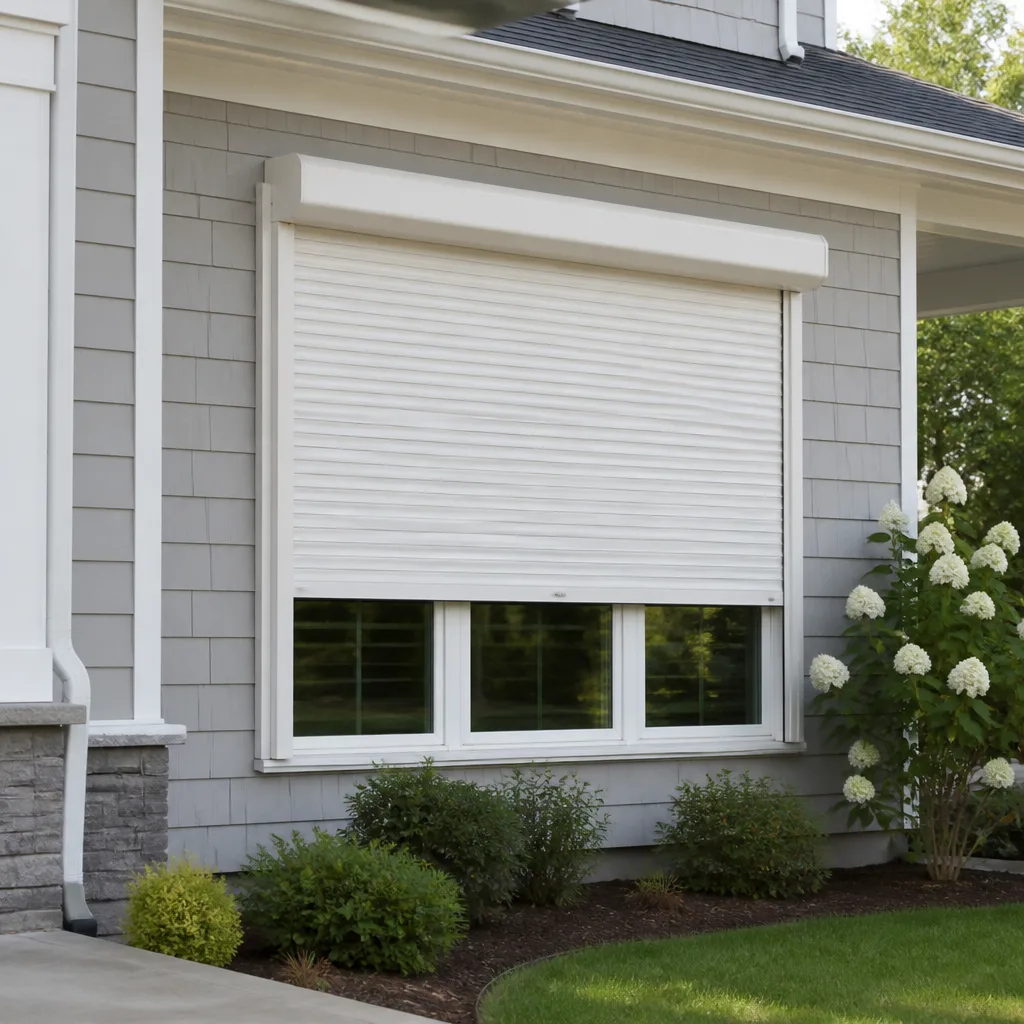
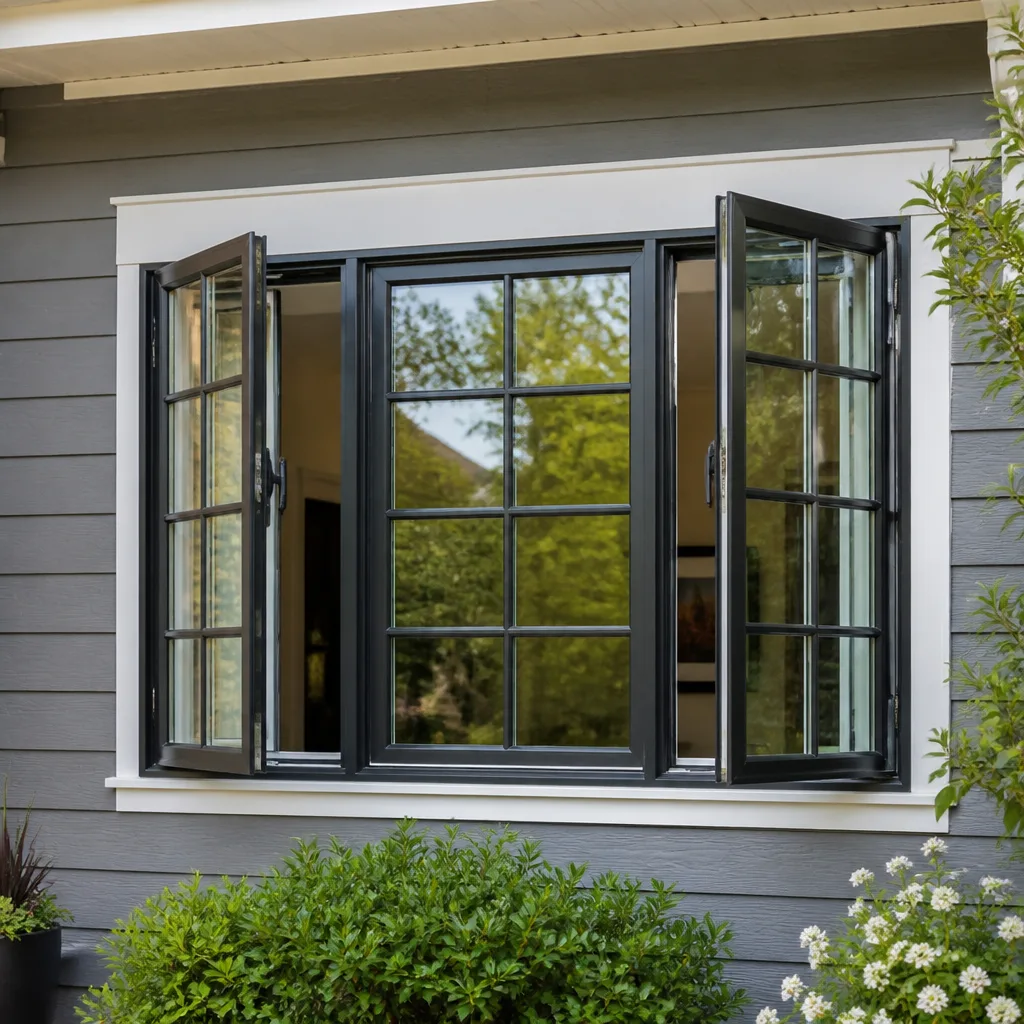
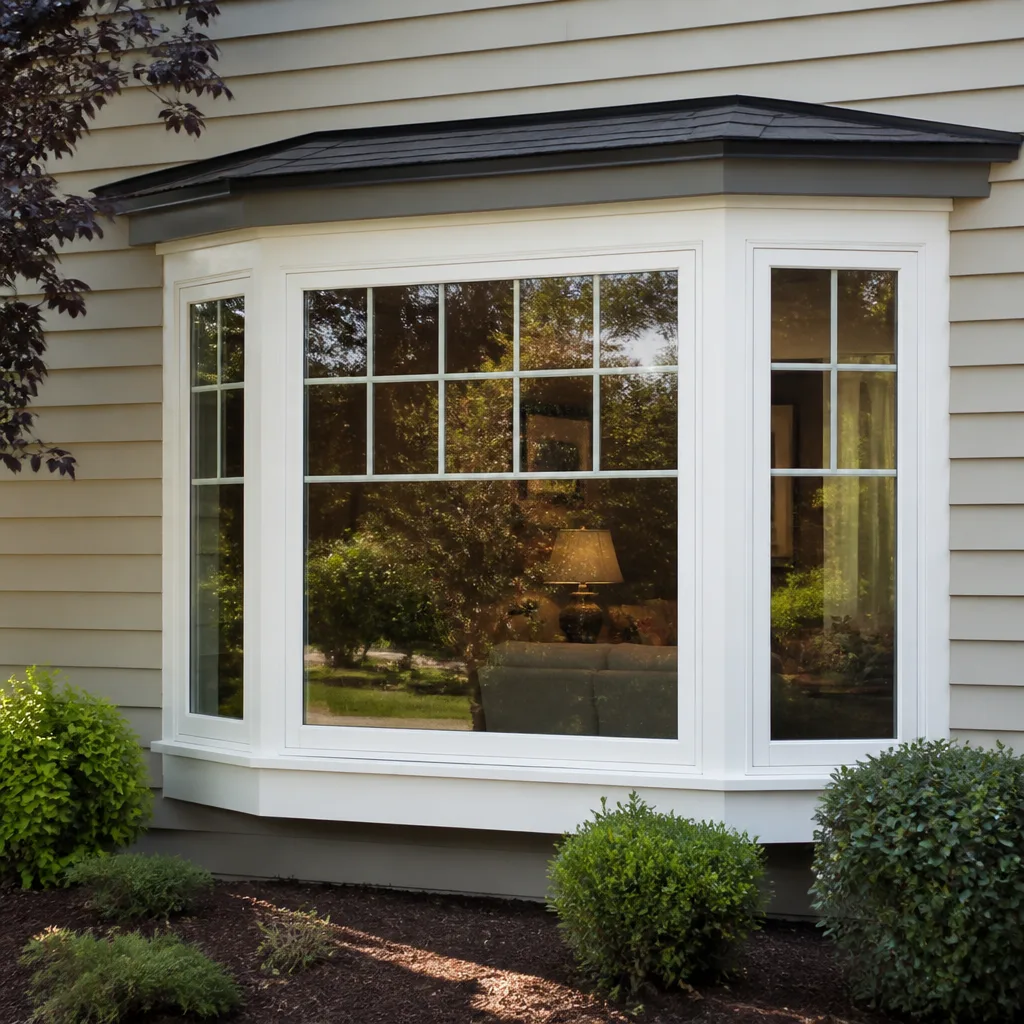
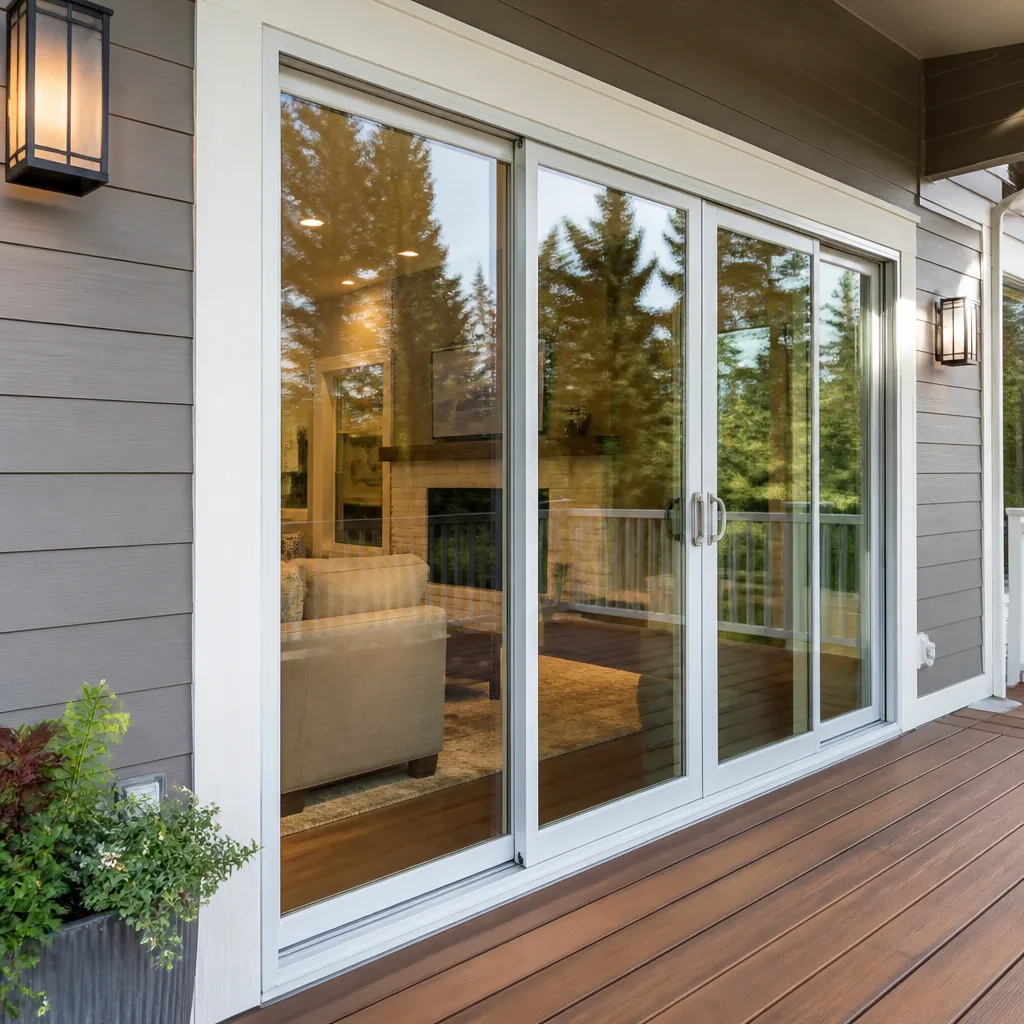
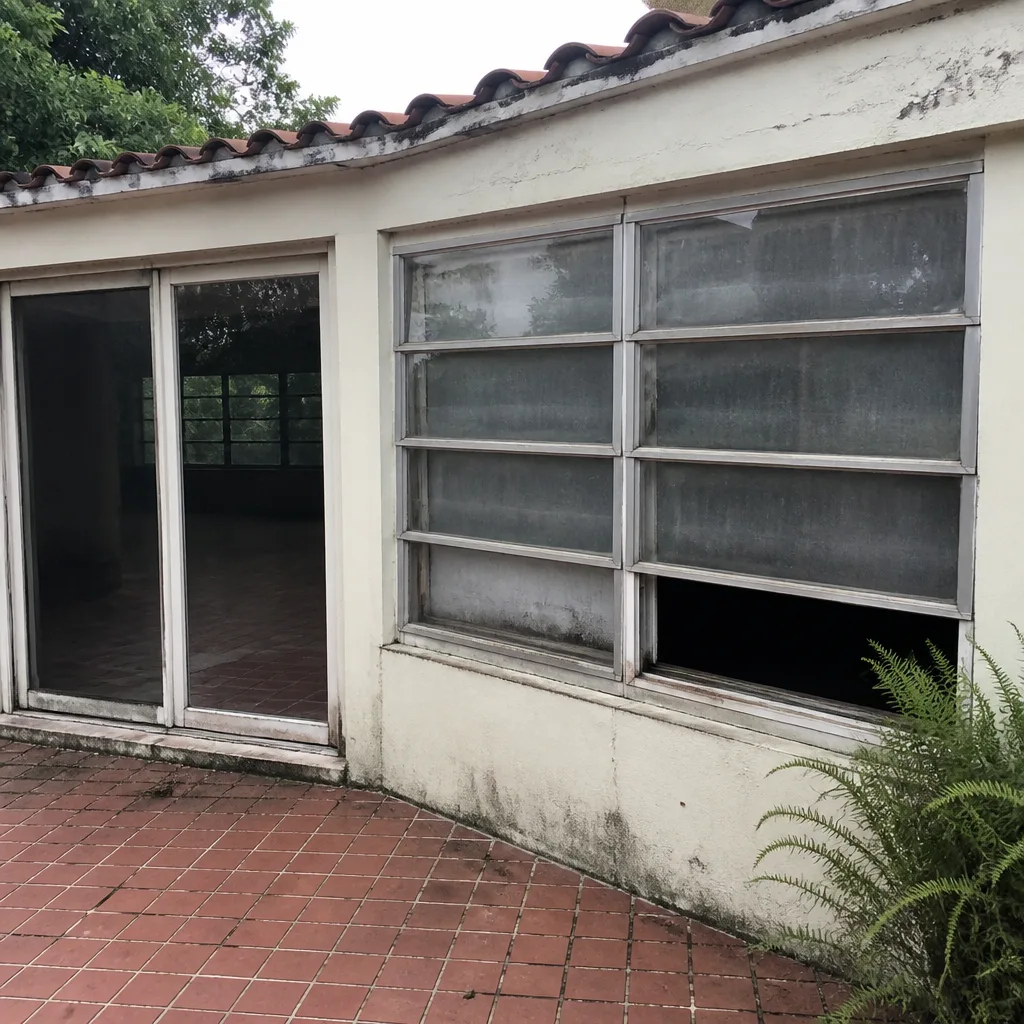 Before
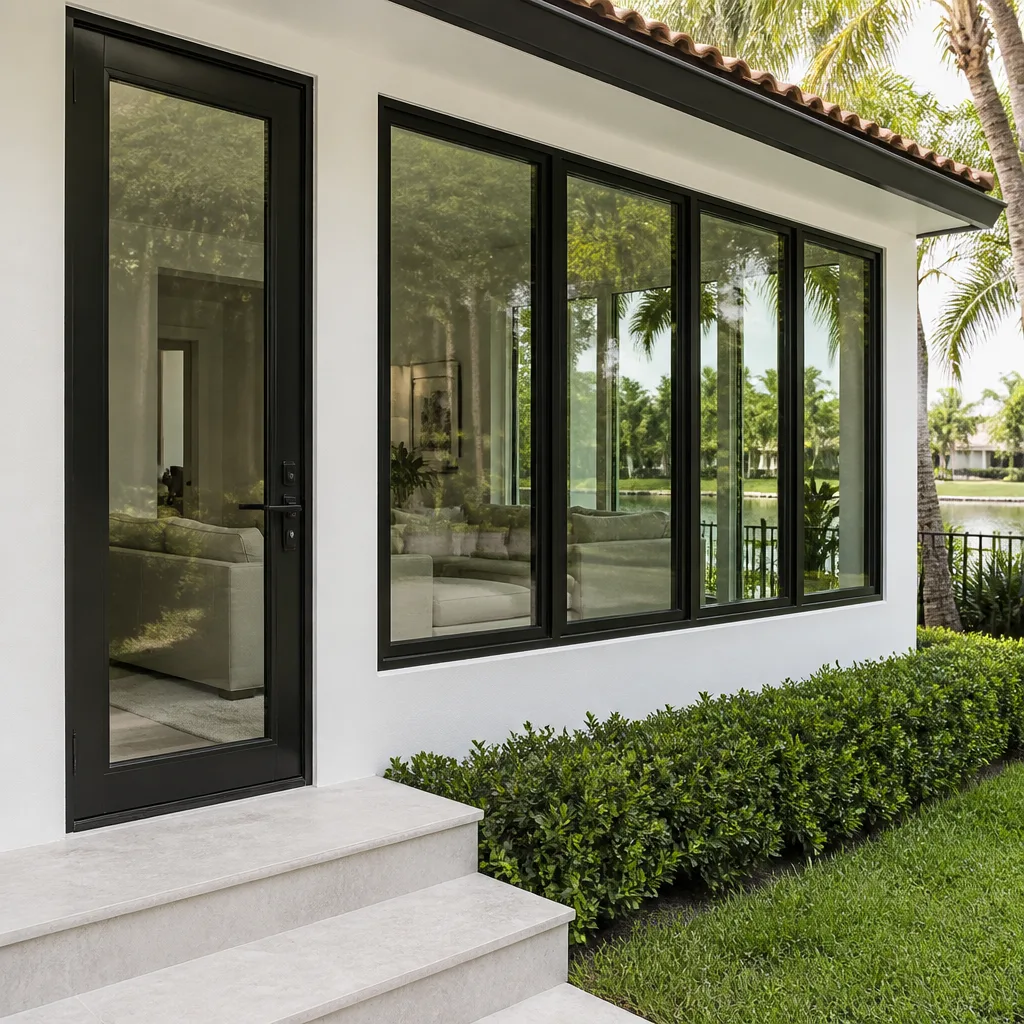 After
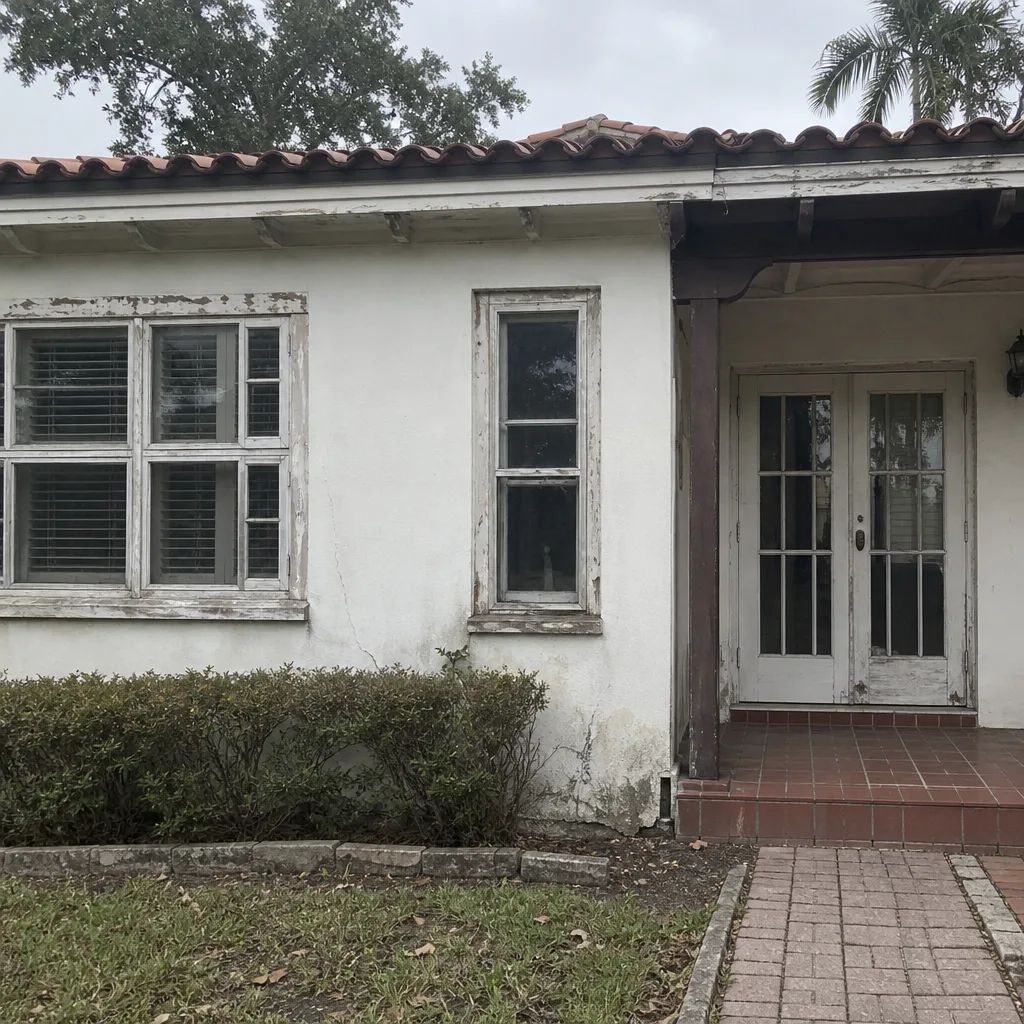 Before
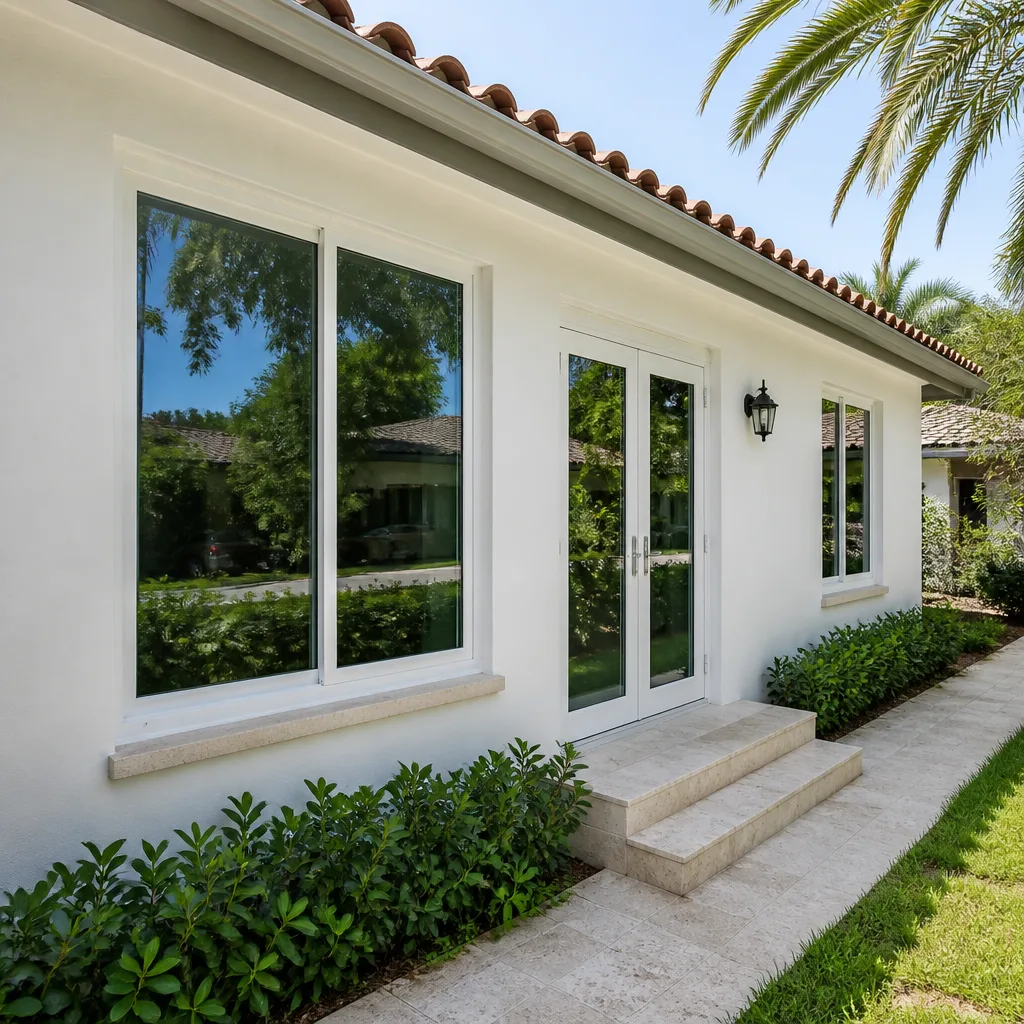 After
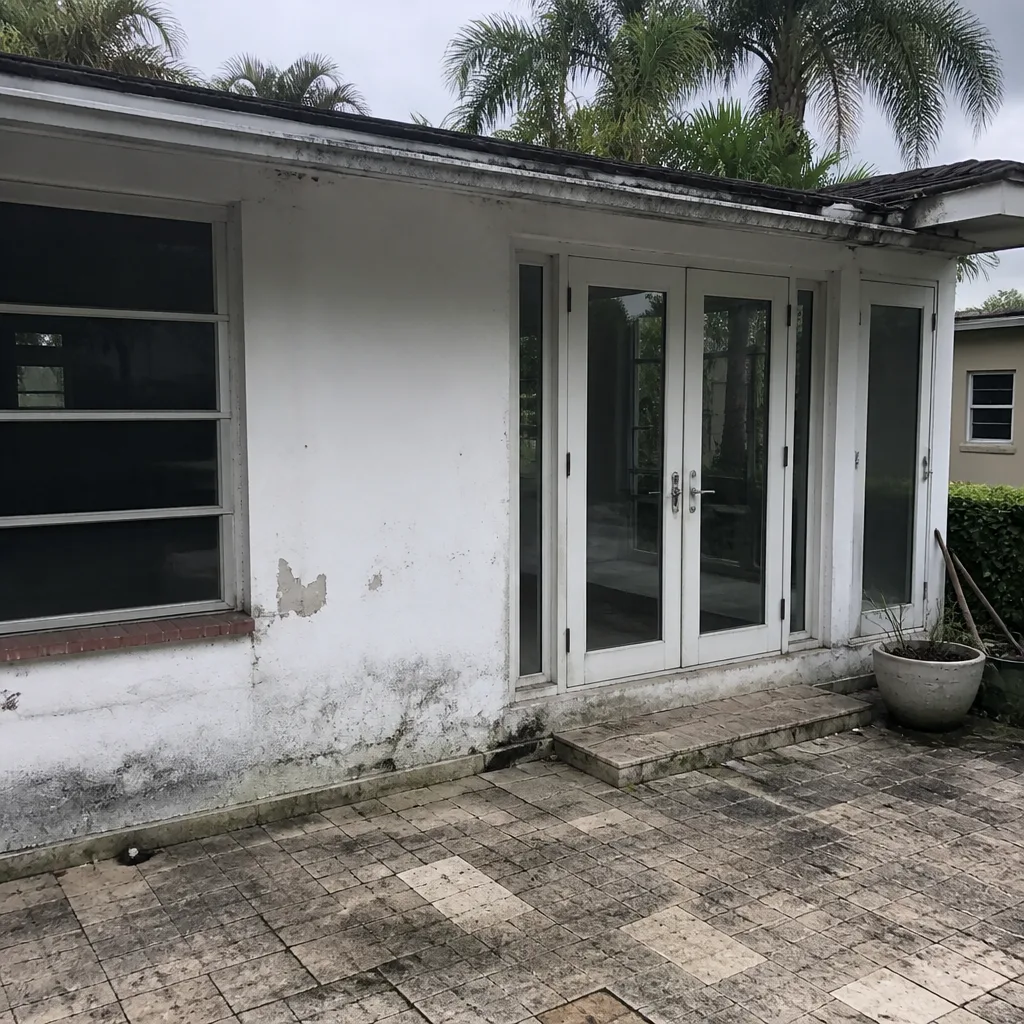 Before
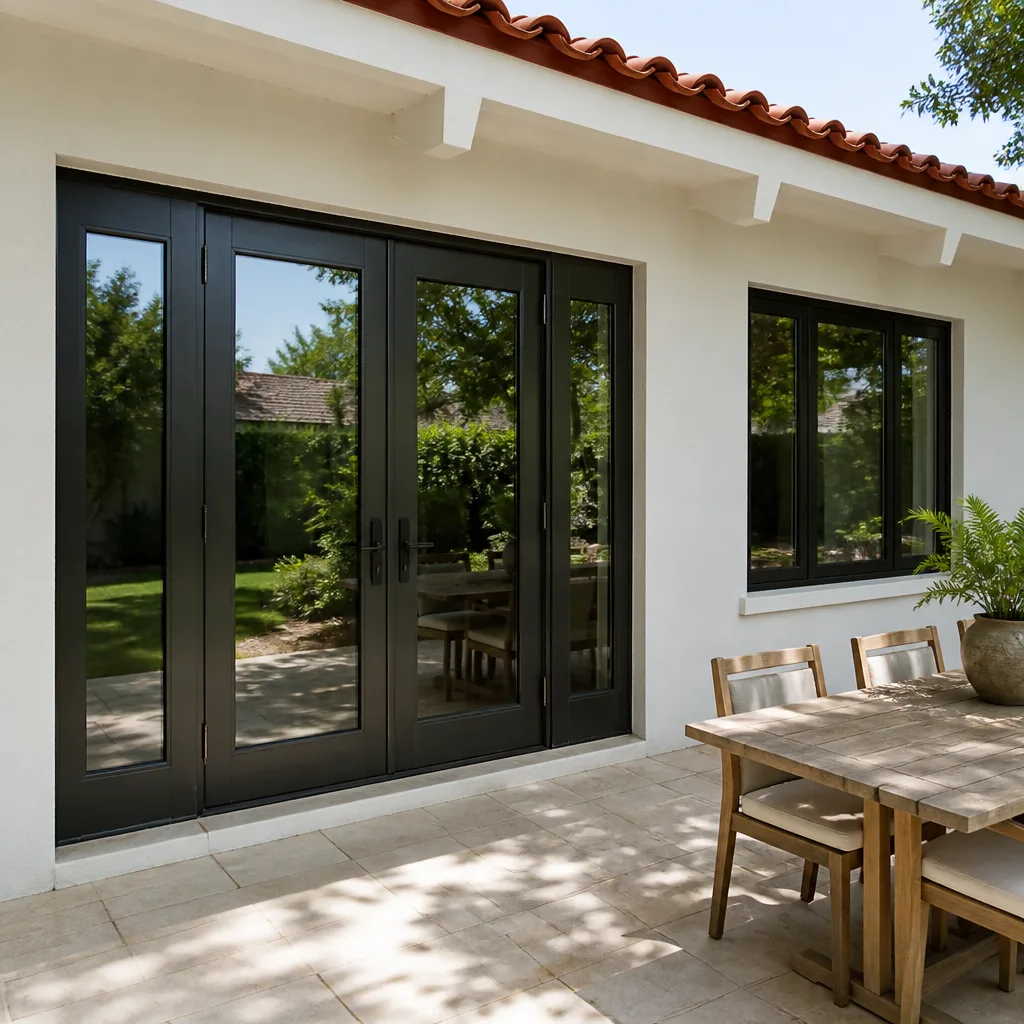 After
Fast, Reliable Custom & Geometric Windows Across Miami
Custom and geometric windows in Miami aren’t a styling choice. They’re a structural decision that has to satisfy Miami-Dade County’s High Velocity Hurricane Zone code, and most off-the-shelf units won’t pass. If your home has an arched opening, a radius-top casement, an oversized trapezoid, or a specialty shape, you need a fabricator and installer who understands NOA product approvals and block-wall anchoring. Not a national chain guessing at it. Winslow Windows & Doors handles custom geometric work across Miami from Coral Gables to Cutler Bay to the Upper Eastside, and Ed Winslow’s name is on every job we do. Call (727) 483-7883 for a free in-home measure and a written line-item quote.
Why Winslow Windows & Doors Is Miami’s Preferred Custom & Geometric Windows Company
We’ve been installing premium windows and doors since 2011, and our Miami customers keep calling us back for one reason: we don’t cut corners on county code. Miami-Dade requires a Notice of Acceptance for every impact opening, and our team knows exactly which NOA numbers apply to which geometric configuration before we order glass. That saves you from the most expensive mistake in this market: cutting a structural opening into CBS block and then discovering the unit won’t pass inspection.
Every technician who shows up at your Miami door is background-checked and in uniform. You know who’s on your property before the truck parks. Your call is answered by a live person, any hour, not a voicemail loop. And when a Miami homeowner calls us after the fact with a question, they get Ed’s standard answer: the Done Right Promise. If it’s not done right, we make it right. That’s a century of accountability in writing. Not a warranty card that disappears after the check clears.
Our Custom & Geometric Windows Services in Miami
Here’s what we actually install across Miami-Dade, and how the county’s rules shape each job. For a deeper look at our broader capabilities, visit our Custom & Geometric Windows service page.
Custom Impact Windows
Every custom impact window we install in Miami is fabricated to meet Miami-Dade NOA requirements and large-missile impact standards. That means laminated glass interlayers, marine-grade frames, and anchoring systems matched to the specific wind-load calculation for your opening. In a 1950s CBS home near the Bay, that often means epoxy-set stainless fasteners into the block rather than standard wood-rough screws. We don’t substitute a Broward-approved unit and hope the inspector won’t notice. The inspector always notices.
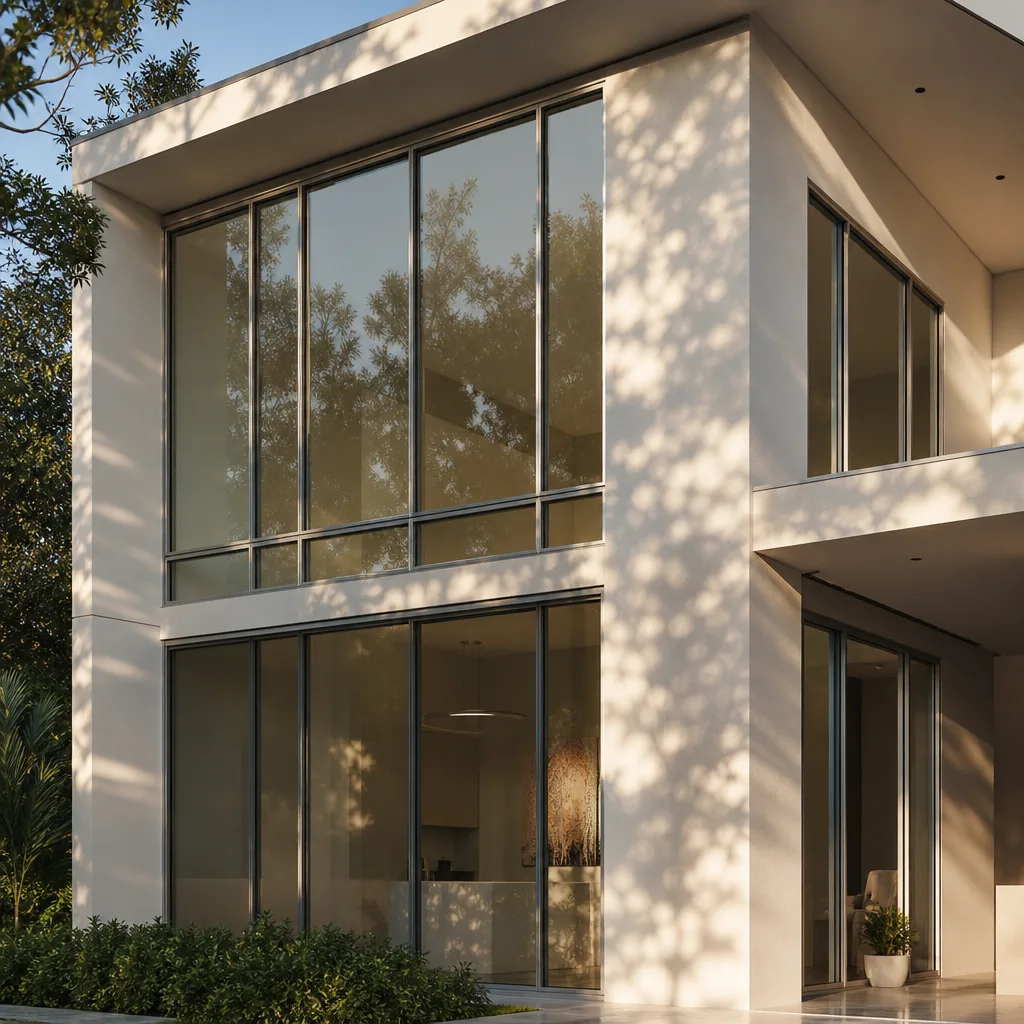
Geometric & Shaped Windows
Triangles, pentagons, octagons, trapezoids, half-moons. Each shape changes the glass geometry and the frame load path. In Miami, a trapezoid unit on a south-facing wall takes direct afternoon sun plus hurricane wind loads from the east. That combination changes the low-E coating spec, the interlayer thickness, and the jamb anchoring detail. We work through all three before we quote, so the price on your written estimate is the price you pay.
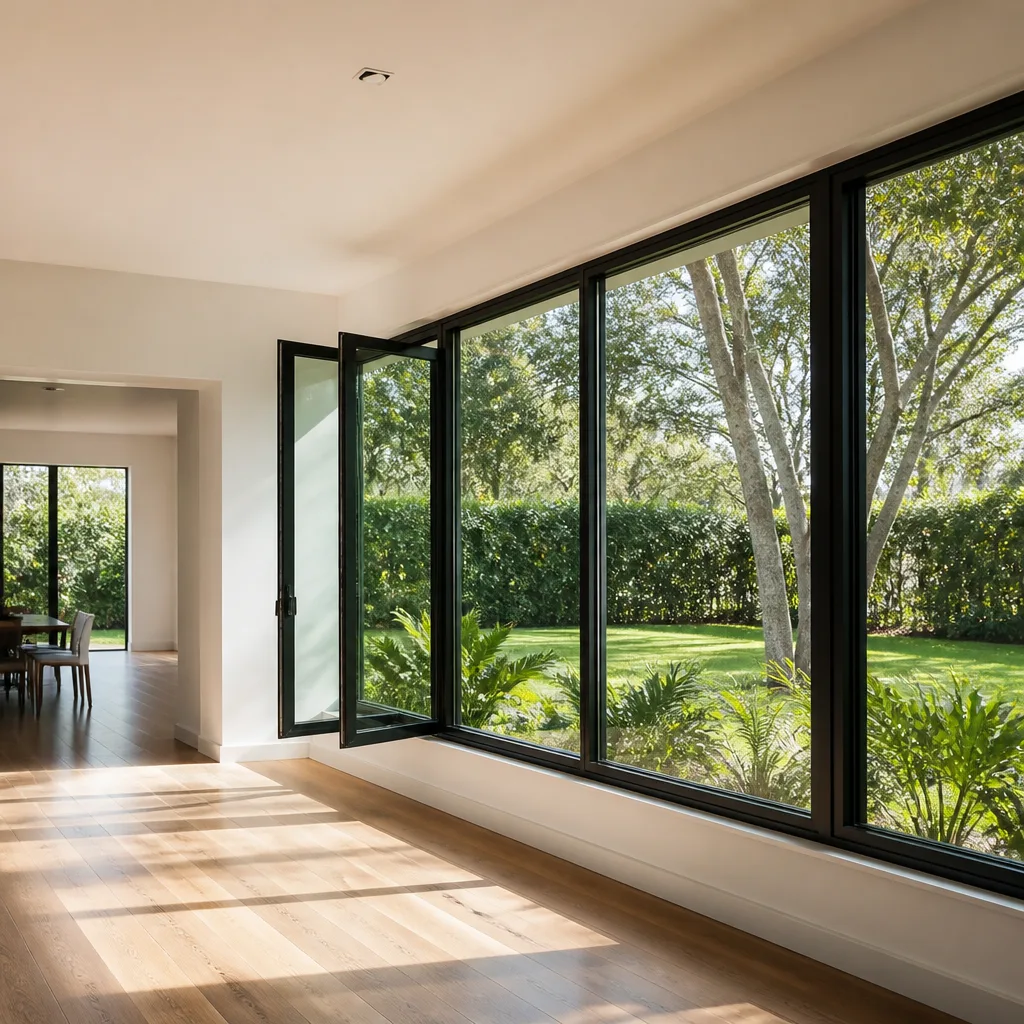
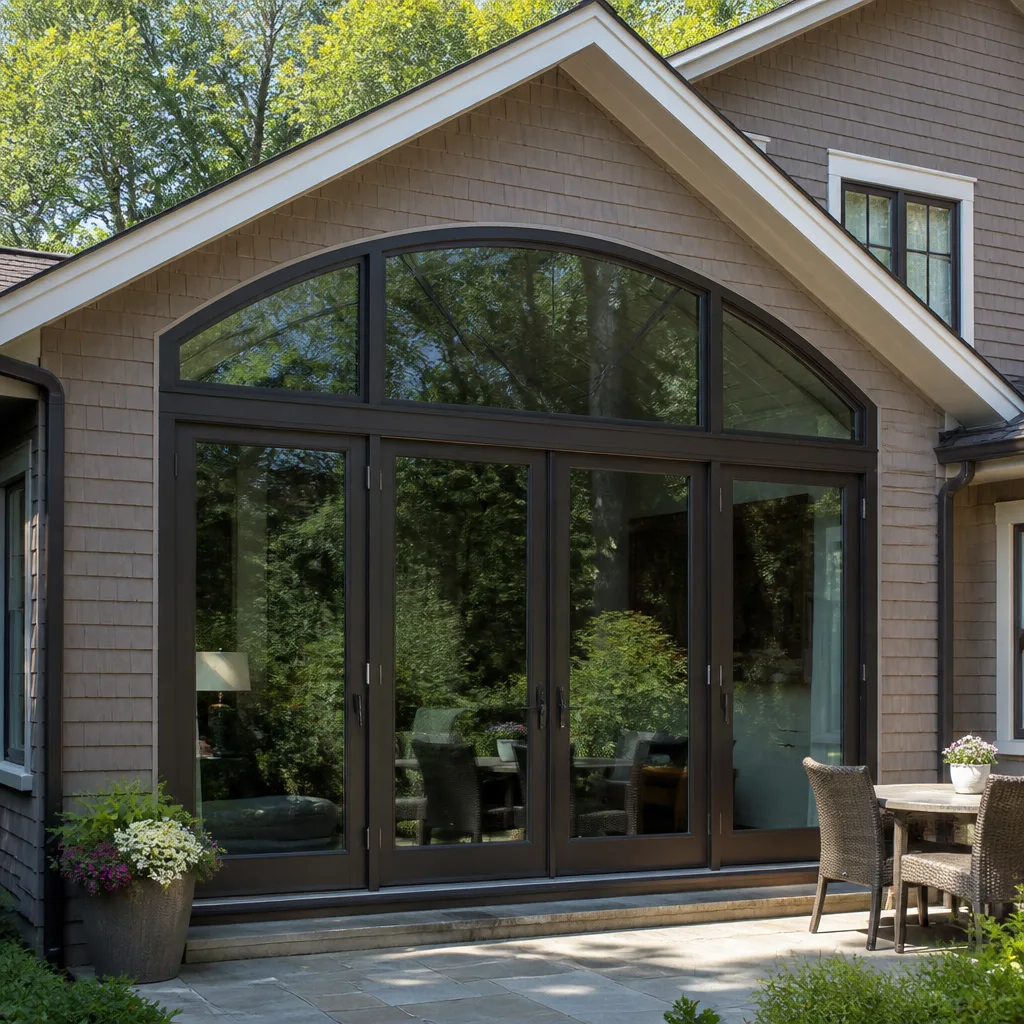
Arched & Curved Windows
Radius-top casements and full-arch units are common in Miami’s 1960s and 1970s concrete block homes, especially in neighborhoods like Pinecrest and Kendall. Retrofitting them to impact standards is not a swap-out. The original rough opening was often site-formed, slightly out of square, and the block around it has settled for fifty years. We fabricate each arch to the measured radius, not a catalog number, then anchor into the block with fastener schedules matched to the design pressure. Curved glass and radius frames add cost, but the county will not accept a standard rectangular unit jammed into an arch opening with framing filler.
Oversized Openings
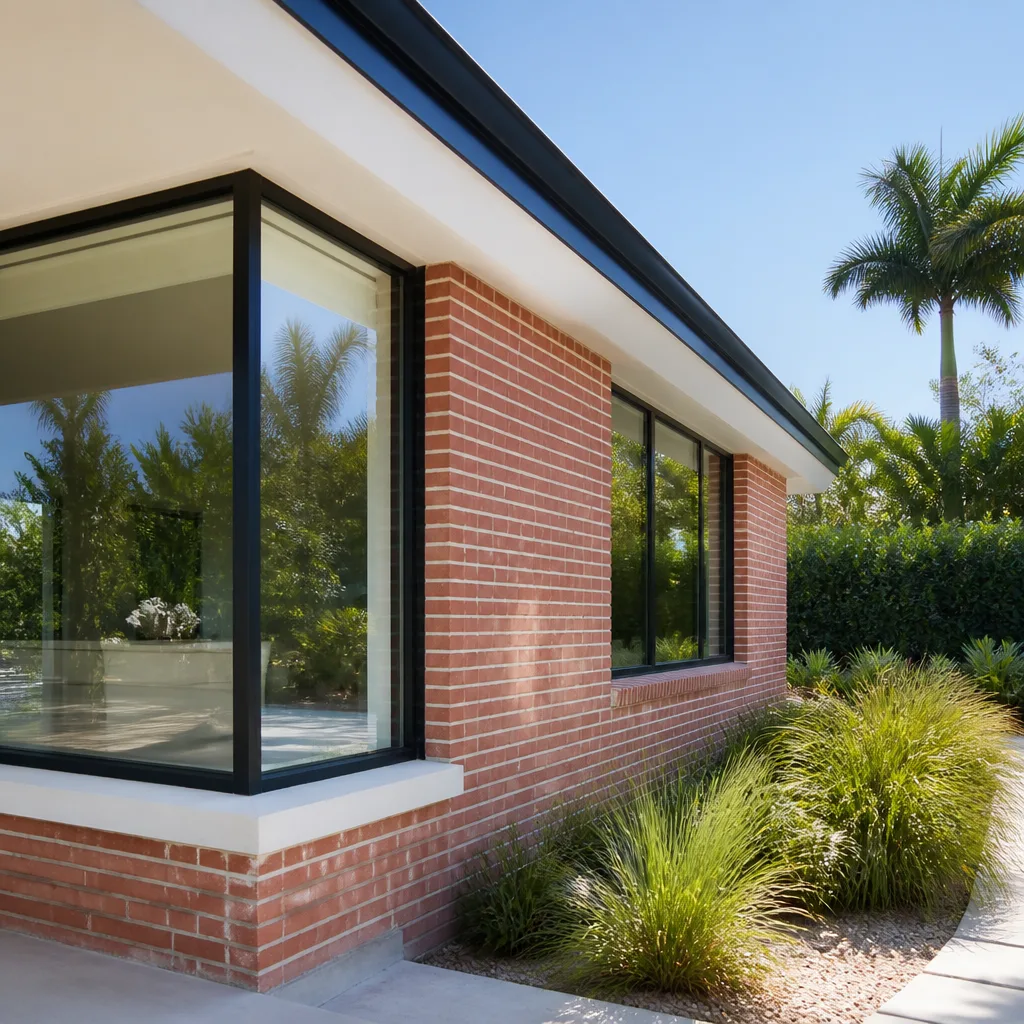
Large custom openings, from floor-to-ceiling trapezoid glass walls to wide picture configurations, are priced differently in Miami than anywhere else in Florida. Wind load increases with the square footage of glass. A 40-square-foot impact unit in a waterfront home in Coral Gables is engineered at a different design pressure than the same unit inland in Kendall. We spec the glass, frame, and anchor system to the actual opening, the actual floor height, and the actual wind zone on your property. Permits are pulled and inspections passed on every job.
What happens when you call
- 1
A real person answersNo phone trees - you reach a local pro.
- 2
You get an upfront price rangeHonest numbers before anyone is dispatched.
- 3
A background-checked tech heads outLicensed & insured, dispatched right away.
- 4
You approve before work beginsNothing starts until you say go.
Trusted Brands We Service in Miami
We’re authorized installers for ES Windows, ECO Window Systems, Mr-Glass, and Therma-Tru, among our full lineup of eight premium brands. For Miami’s salt-air environment and HVHZ code, we lean heavily on ES Windows and ECO Window Systems for custom geometric work because their extrusions and hardware hold up to coastal corrosion. Mr-Glass gives us reliable path for historically compatible muntin profiles and narrower sightlines. When your custom unit arrives, our team handles the install, the anchoring, and the county inspection. You’re not handed a shipping pallet and a phone number.
Common Custom & Geometric Windows Problems We See in Miami Homes
- Non-NOA geometric windows failing county inspection. A contractor imports a radius-top or trapezoid unit from a Broward supplier with Florida Product Approval only. The Miami-Dade inspector red-tags the entire elevation. The homeowner now has a structural opening cut into block with no legal glazing and no permit sign-off. We see this every spring.
- Salt corrosion on non-marine-grade frames. A custom arch frame spec’d for inland Florida salt air corrodes at the sill within two seasons, jamming the sash and voiding the wind-mitigation credit from Citizens Insurance. In homes along Biscayne Bay or the Miami River, marine-grade anodized or vinyl-clad frames are the baseline, not an upgrade.
- Block-wall jamb depth miscalculations. A 1950s CBS wall is often thinner than expected, especially at a custom opening. An oversized trapezoid unit specified without checking jamb depth ends up proud of the stucco reveal. Miami-Dade fenestration inspection fails it, and the fix requires a lintel redesign plus reinstallation.
- Original single-pane or jalousie frames in mid-century homes. Much of Miami’s 1950s-1980s housing stock still has the original louvered or single-pane aluminum. Jalousies are explicitly prohibited in new Miami-Dade construction because the glass panels can be popped out by hand. Retrofitting those openings to custom impact glass usually requires rebuilding the buck and reinforcing the lintel, which is not a direct-size swap.
Pricing for Custom & Geometric Windows in Miami, FL
For a standard impact-rated custom geometric unit like a half-round or a moderate trapezoid, Miami homeowners should budget $1,500 to $3,500 per window furnished and installed. Large arched assemblies or oversized trapezoid units typically run $3,000 to $6,000 each, and a full retrofit of a 1960s CBS home with jalousie and single-pane replacements can land between $12,000 and $30,000 depending on how many openings need structural rebuilding. The cost drivers in Miami are the NOA certification path, the marine-grade frame spec, the anchoring system into block, and whether the existing lintel needs reinforcement. We give you a written line-item quote after we measure and inspect the opening. The number on the quote is the number on the invoice.
What Custom & Geometric Windows Costs in Miami
Benchmark numbers, to be clear about what to expect in Miami’s market: impact windows generally run $800 to $1,500 per opening installed. An impact single-hung is $900 to $1,800. Large or custom openings, which is what most geometric work is, run $2,500 to $5,000 each. Whole-home packages on a Miami CBS house typically land between $8,000 and $25,000+, with the upper range driven by arch fabrication, lintel work, and the number of openings facing the water. What moves the price: opening count, wind zone, floor height above grade, frame material, and the condition of the existing block and lintel. A 1970s home in Pinecrest near the Bay will price differently than a 1980s home inland in Kendall, even with identical window shapes. We measure free, we quote in writing, and the quote holds. Call (727) 483-7883 to schedule yours.
Florida Pays You Back
Miami homeowners have real money on the table when they upgrade to impact-rated custom windows. The My Safe Florida Home program provides matching grants up to $10,000 for qualifying wind-mitigation improvements. Florida’s sales-tax exemption applies to impact-resistant windows and doors, which takes a meaningful percentage off the cost of a whole-home geometric retrofit. The federal 25C energy credit can return 30% of the product cost, up to $600 per year on qualifying units. And after a wind-mitigation inspection, which typically costs $75 to $150, many Miami-Dade homeowners see windstorm premium credits averaging around 25% on the windstorm portion of their policy. Citizens and private carriers set the final numbers. We don’t guarantee a discount. We do make sure the installation qualifies for the inspection.
A Note on Impact Windows vs Hurricane Shutters in Miami
Shutters are cheaper up front. Panels cost less than impact glass, and for a homeowner with a straightforward rectangular opening, shutters are a legitimate option. For custom geometric openings, shutters are usually a poor fit. A custom trapezoid or radius-top opening needs a custom shutter track, a custom panel, and someone to hang it before every storm and take it down after. Impact-rated custom windows do the structural job permanently, no panels to hang, no tracks to corrode, and the insurance credit applies to the protected opening every month, not just during a storm watch. For homes in Miami-Dade’s HVHZ, where the NOA requirement treats permanent glazing as the primary opening protection, investing in impact glass usually beats retrofitting shutters onto a custom shape.
The NOA Rule and Miami-Dade’s HVHZ: Why This Changes Everything
Here’s the piece most window companies outside Miami-Dade never mention, because they don’t operate here every day. In Miami-Dade County, every custom geometric window must carry a Notice of Acceptance, an NOA, specific to the HVHZ. That’s a county-level certification beyond the statewide Florida Product Approval. No permit for a non-rectangular impact opening will be issued without it. A window that is perfectly legal in Broward, Palm Beach, or anywhere else in Florida can be completely unpermittable in the City of Miami, Kendall, Pinecrest, or Cutler Bay. This county sits inside a wind zone that requires large-missile impact testing, and the NOA ties the specific glass configuration, frame, anchoring system, and design pressure to the specific opening geometry. A triangular impact unit for one house doesn’t automatically have an NOA for a different triangle next door.
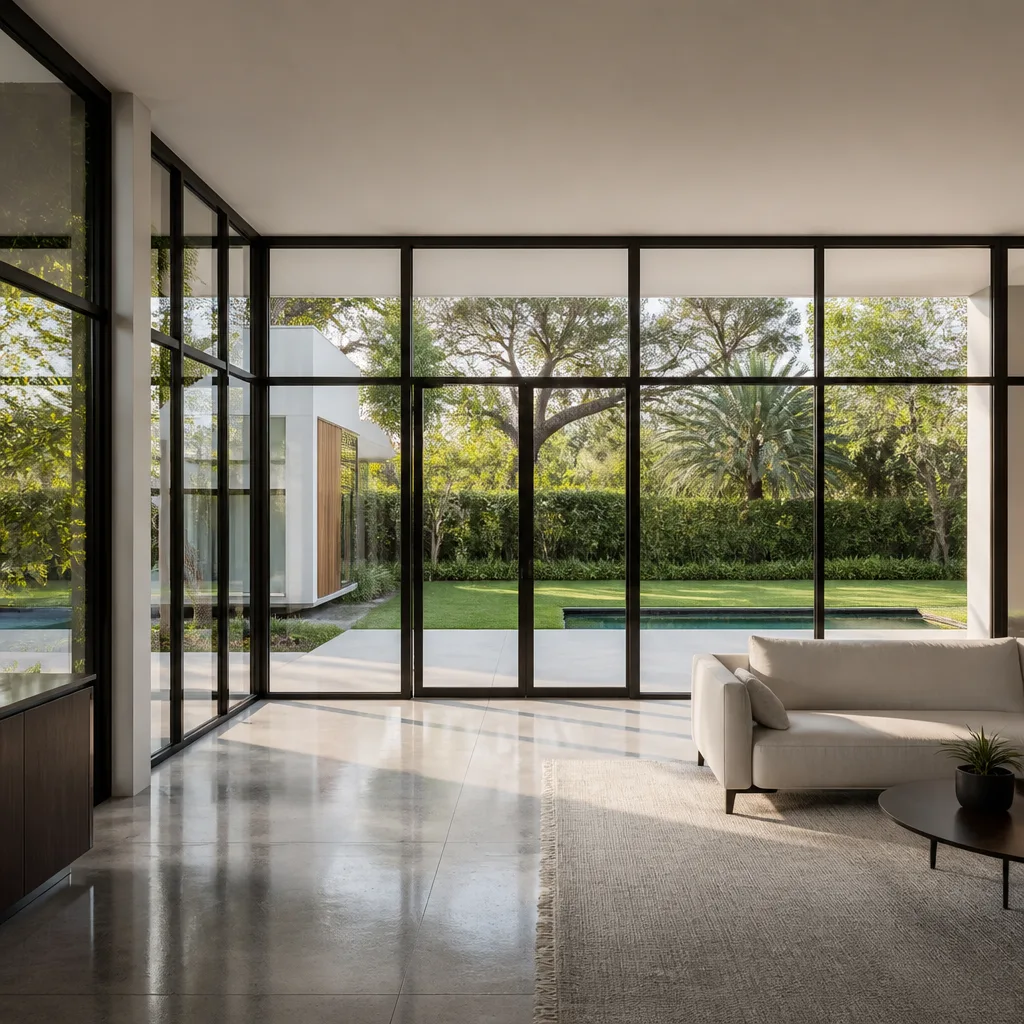
This is the single most expensive mistake we correct every year. A homeowner hires a contractor who imports a nice-looking geometric window from a supplier in Fort Lauderdale. The unit meets Florida Product Approval for non-HVHZ counties. The county inspector comes out, checks the NOA database, and red-tags the whole elevation. The wall is now an unpermitted structural opening with glass that doesn’t legally protect anything. Fixing it means removing the unit, sourcing an NOA-listed geometric replacement, and often repairing block damage from the initial install. That’s a five-figure correction on top of the original purchase. We check the NOA before we order anything. Always. For Miami work, this is non-negotiable.
Salt Air, Block Walls, and the Miami Installation Reality
Miami’s location between Biscayne Bay and the open Atlantic means nearly every custom window we install faces salt-laden air year-round. Standard aluminum extrusions and hardware corrode within a few years. In a 1960s canal home in Coral Gables or a mid-century house in Shorecrest, marine-grade anodized frames or vinyl-clad units are the baseline, not an upsell. Hardware that would last twenty years inland fails in five here. We spec for that from the first quote.
Then there’s the wall itself. Miami’s residential core is dominated by CBS, concrete block structure, built from the 1950s through the 1980s. Many still have original single-pane aluminum or jalousie windows. Cutting a new geometric opening into block and anchoring an impact-rated custom unit is nothing like the wood-frame rough-opening work common in most of the U.S. We use epoxy-set stainless fasteners, build custom bucks where the block face is deteriorated, and reinforce lintels when the existing steel has lost section to corrosion. Our crew recently rebuilt a set of radius-top casements on a 1970s CBS home in Pinecrest where the original aluminum frames had corroded from Biscayne Bay salt. We fabricated custom aluminum replicas with marine-grade anodized frames and laminated glass interlayers, then anchored the new jamb into the block with epoxy-set stainless fasteners to meet design pressure for the county’s large-missile rating. That’s what a Miami custom window job actually looks like when it’s done right.
Building on Acreage Around Miami: County Permits, Setbacks, and Long Hauls
Custom and geometric windows on acreage properties in unincorporated Miami-Dade are a different animal from a Little Havana bungalow or a North Miami Beach condo. If you’re building or retrofitting on a larger lot in the Redland, Horse Country, or the rural southwest stretches of the county, you’re dealing with county permitting rather than city, and the county enforces septic and well setbacks that affect where and how you can expand an opening. A new oversized trapezoid window on a bedroom facing the septic drain field may trigger additional review. Same for a detached ADU or workshop within the required setback from a well. We scope these before we quote. No surprises later.
The other acreage reality in Miami-Dade is logistics. A property off Krome Avenue or down a long unpaved drive in the Redland means coordinating material deliveries, equipment access, and debris removal across a longer haul than a typical city street. We plan the job sequence around that. We also account for grading and drainage on an open lot. A custom window wall on a low-lying slope where water sheets toward the foundation may need additional flashing and sill detailing beyond the standard scope. These are the details that separate a written quote from a guess. We want to know your lot conditions before we give you the number, because we want the number to be right.
Miami Beach Historic District: Matching Art Deco Profiles in Impact Glass
In the Miami Beach Architectural District, replacing windows in contributing Art Deco and Mediterranean Revival structures requires sign-off from the Miami Beach Historic Preservation Board. The board mandates that new units replicate original sight lines, muntin profiles, and frame depths. That means a custom-fabricated impact-rated window that satisfies both HVHZ wind-load standards and strict historic aesthetics at the same time. Almost no standard impact window manufacturer stocks a unit that does both. We’ve matched original muntin profiles on historic Miami Beach buildings and still passed HVHZ impact testing. It costs more than a standard replacement, and honestly, it should. You’re paying for custom fabrication, NOA certification for a specific shape, and an installation that a preservation board will sign off on. If a contractor quotes you a stock unit for a historic Miami Beach window, walk away.
We Also Serve Cities Near Miami
Our Custom & Geometric Windows in Miami team covers the neighborhoods across the city plus the surrounding communities, including Miami Beach, Hialeah, Miami Gardens, and North Miami Beach. Same written quote policy, same NOA compliance standard, same live person on the phone. If you’re nearby and the window is custom, we take the drive.
Serving Miami, FL - Our Local Coverage Area
We’re based in the Miami area and know this community well. Use the map below to see our service coverage - if you’re nearby, we can almost certainly help.
FAQs - Custom & Geometric Windows in Miami
Yes. Miami-Dade’s NOA requirement applies to any impact opening in any structure subject to the HVHZ, including detached sheds, workshops, and ADUs. The county does not issue a permit for a non-rectangular impact opening without a Notice of Acceptance specific to that unit’s configuration and design pressure. Call (727) 483-7883 and we’ll check the NOA for your shape before you spend a dollar on fabrication.
Yes, we can. We’ve fabricated custom impact-rated units that replicate original Art Deco muntin profiles and sight lines while meeting Miami-Dade’s large-missile testing standard. The Miami Beach Historic Preservation Board requires both aesthetic compatibility and wind-load compliance. That combination means custom fabrication, not a stock unit. We’ll walk you through the HPB process and the NOA path. Call (727) 483-7883 for a consultation.
We use epoxy-set stainless fasteners drilled at the correct diameter and depth into the block, with anchor spacing calculated for the design pressure of that specific opening. We don’t hammer-drill oversized holes or wedge in expansion anchors that stress the face shell. The buck is fabricated to distribute load across the full jamb. For a deteriorated block face or a compromised lintel, we reinforce before we set the window. The anchoring detail is part of the written quote, not an afterthought.
In most cases, yes. Miami-Dade homeowners who install verified impact opening protection and then complete a wind-mitigation inspection, typically $75 to $150, often see windstorm premium credits averaging around 25% on the windstorm portion of their policy. Citizens and private carriers set the final credit. A jalousie-to-impact retrofit qualifies because the old jalousies offered essentially no wind resistance. We install to the standard the inspection requires. Call (727) 483-7883 for a free measure and we’ll explain what your home qualifies for.
Usually, yes. A south-facing trapezoid near the Bay takes direct afternoon sun plus reflected glare off the water. That combination means a low-E coating spec’d for solar heat gain control rather than a standard northern-climate coating. The difference is measurable in cooling load. We spec the glass based on orientation, water proximity, and the window’s actual exposure, not a default package. Call (727) 483-7883 and we’ll include it in your quote.
Call Winslow Windows & Doors for Custom & Geometric Windows in Miami
If you’ve got an arch, a triangle, a clipped corner, a radius top, or a full trapezoid opening in Miami, don’t let someone put a stock rectangle in it and call it good. The county won’t accept it, and if it’s near the water, it won’t survive anyway. We measure free, we quote in writing, we pull the permits, and we pass the inspections. Ed Winslow’s name is on the door and on every job we do. We’re the one down the road. Call (727) 483-7883 to schedule your free estimate.
Written by Ed Winslow, Owner at Winslow Windows & Doors, serving Miami with custom geometric and impact window expertise.
Six Reasons Homeowners Choose Winslow Windows & Doors
Impact systems engineered to design pressures up to +/-100, matched to your wind zone - your openings hold when the storm arrives.
Low-E insulated impact glass from our manufacturer lines commonly cuts monthly cooling bills 20-30%.
Laminated impact glass shuts out up to 40% of outside noise - traffic, neighbors, weather.
Monitoring services run $30-90 a month. Laminated impact glass resists forced entry around the clock, with no subscription.
Florida homeowners average around 25% savings on the windstorm portion of their policy after protecting every opening - some homes qualify for more.
A full impact package upgrades curb appeal, buyer confidence and appraised value in one project.